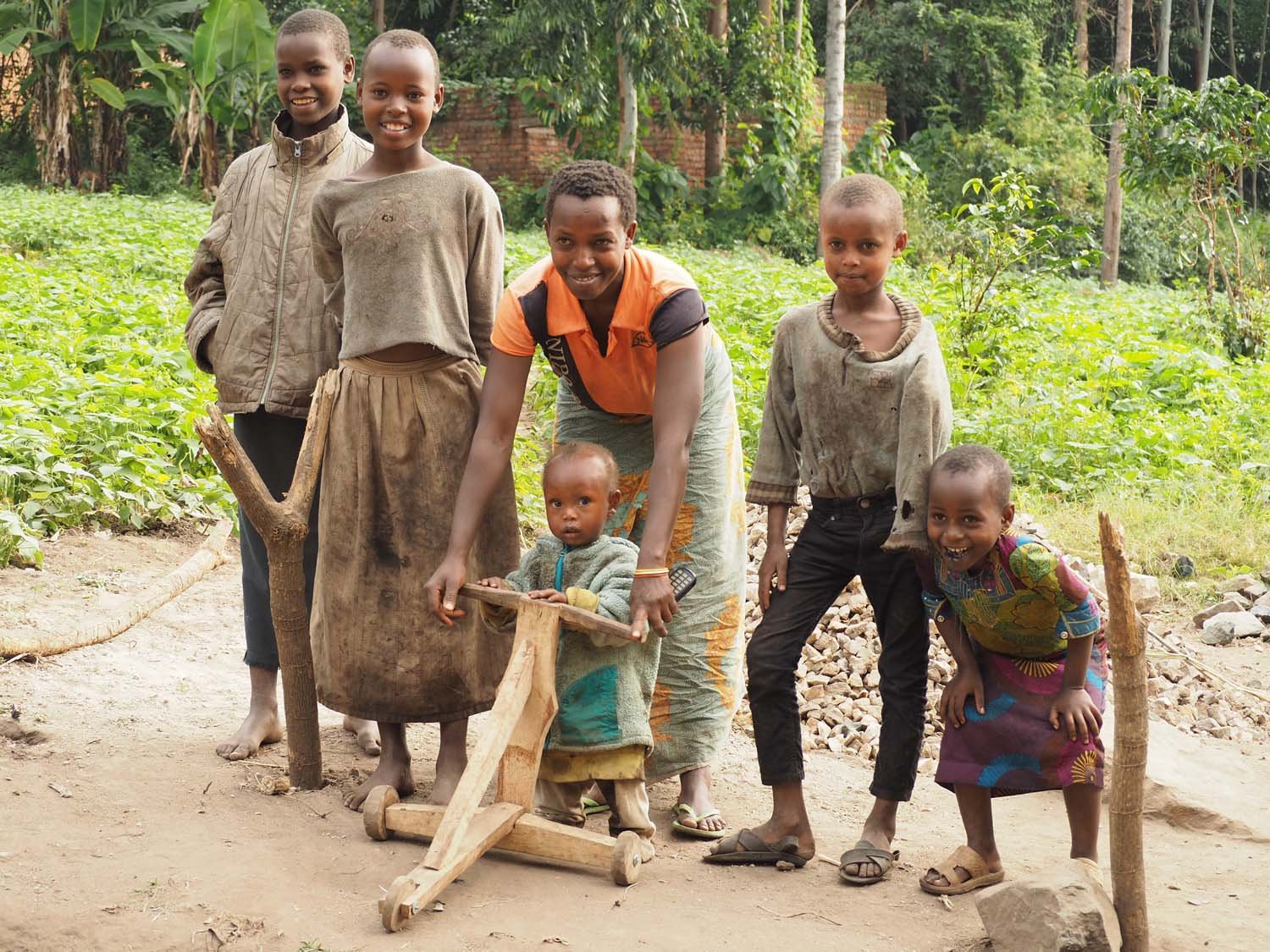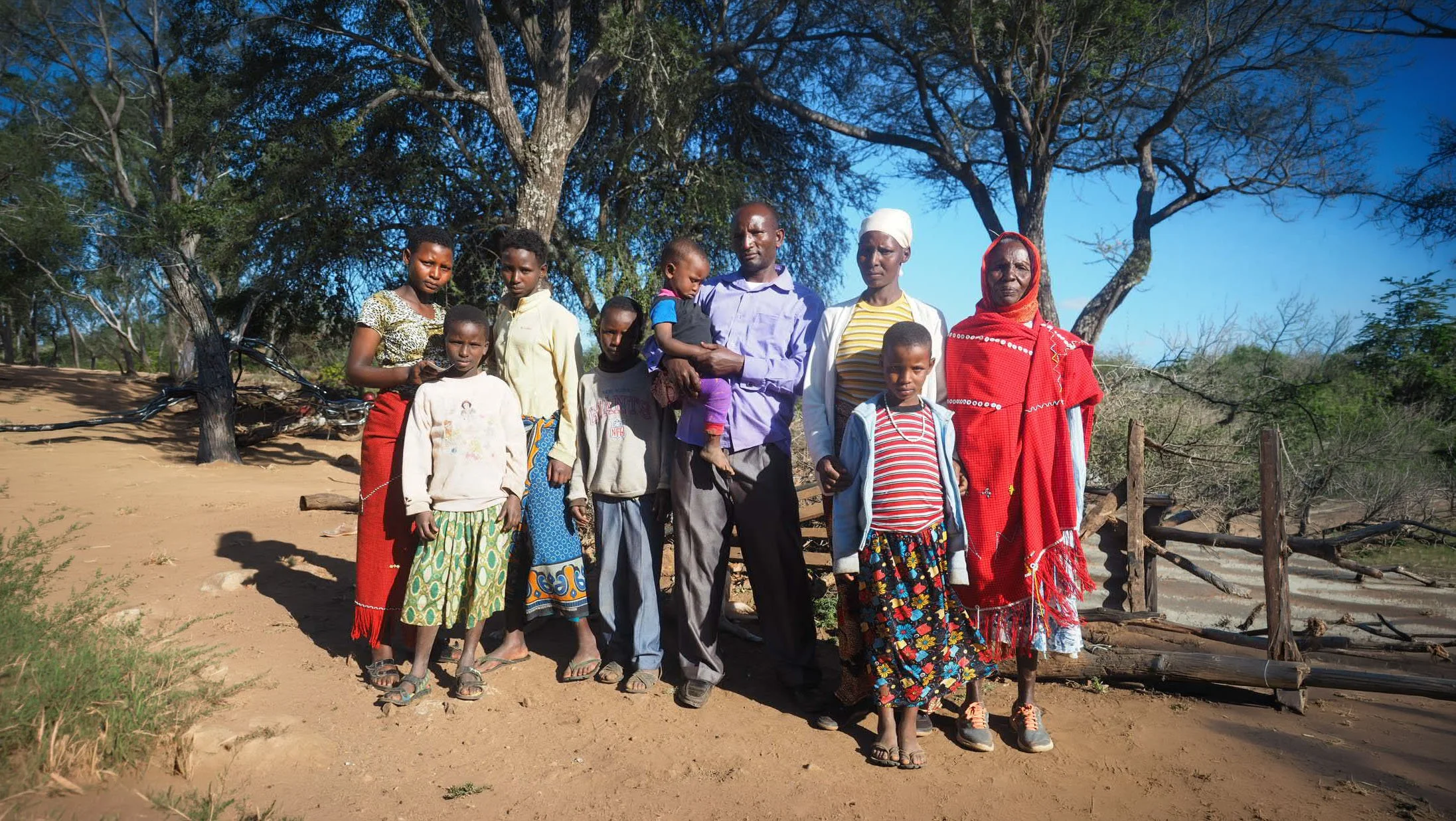
The People of Dumbeta Ward
According to the 2022 official census, Dumbeta Ward is home to approximately 9,100 people living in nine distinct sub-villages.
There are more than 120 distinct ethnic groups and tribes in Tanzania, each with its own language and cultural traditions. The majority of Dumbeta Ward residents are from the Iraqw and Barabaig ethnic groups.
The Iraqw people are Dumbeta Ward’s largest ethnic group. It is believed that they migrated from the Ethiopian Highlands, first settling in the Hanang area in the nineteenth century. They speak a Cushitic language which originated more than 5000 years ago along the Western shores of the Red Sea, in present day Egypt, Sudan and Ethiopia.
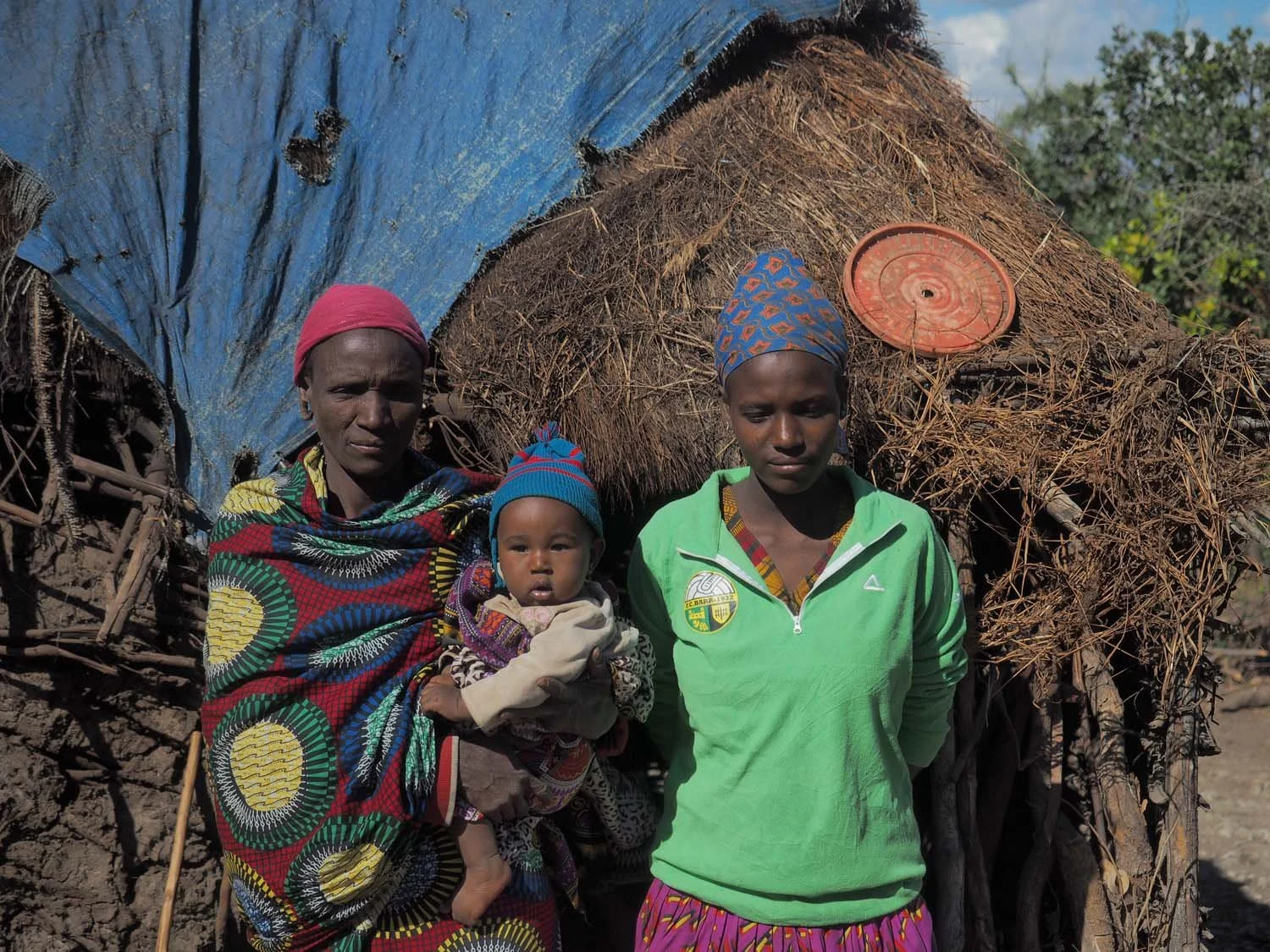
The Iraqw people are agro-pastoralists who live in permanent settlements. Economically, they are primarily subsistence farmers, living off what they grow. However, they sell their agriculture surplus in local markets for cash. Their principal crops are maize, beans, pigeon peas, pumpkins, and cassava. Their principal cash crop is sunflowers, which are sold for oil production. Animal husbandry is also important. Cattle, goats, sheep, donkeys (for transportation), and chickens are their principal livestock. They graze their animals close to home.
Iraqw people primarily practice Christianity, though traditional ethnic religions remain a significant part of their cultural and spiritual identity.
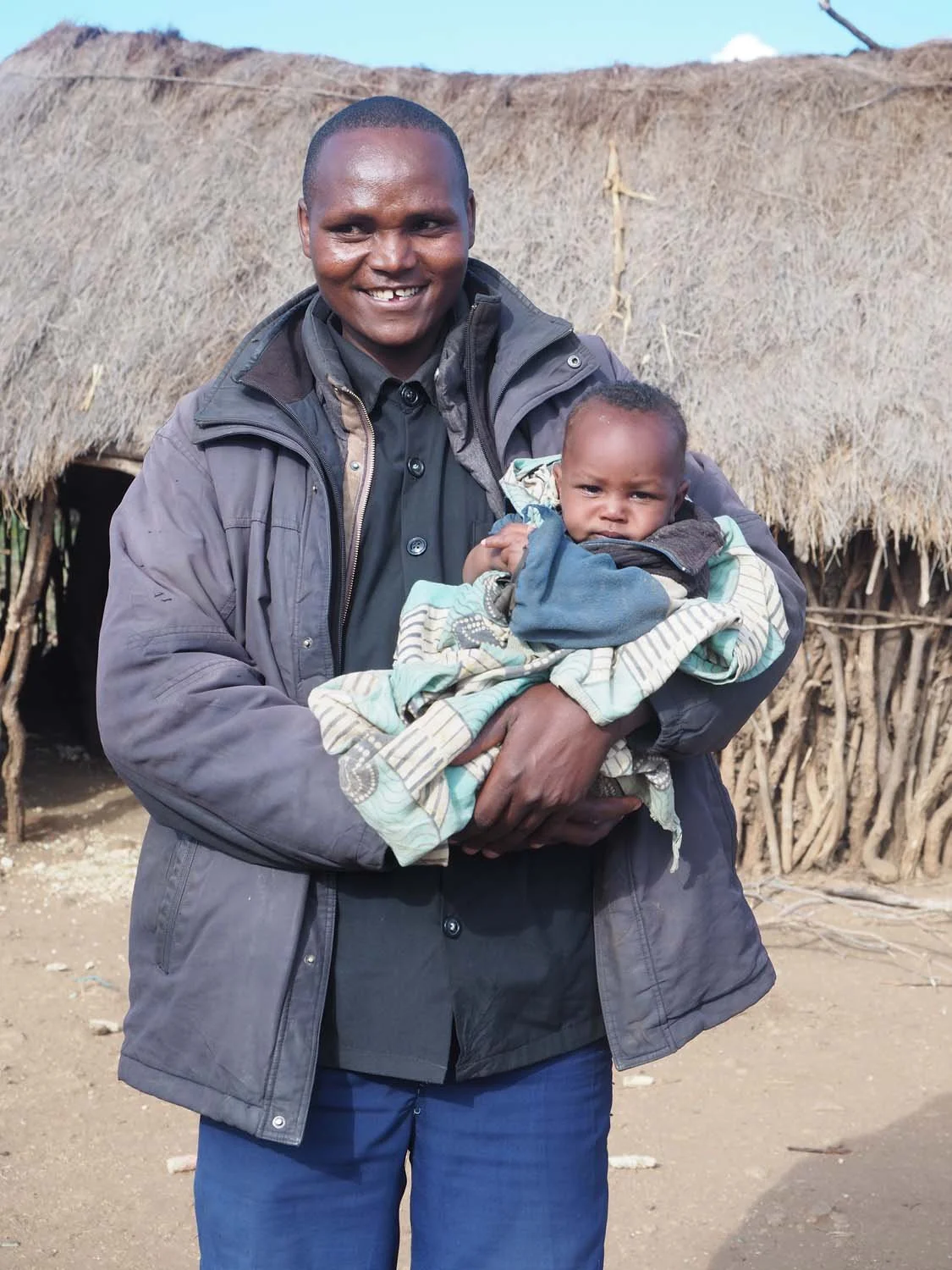
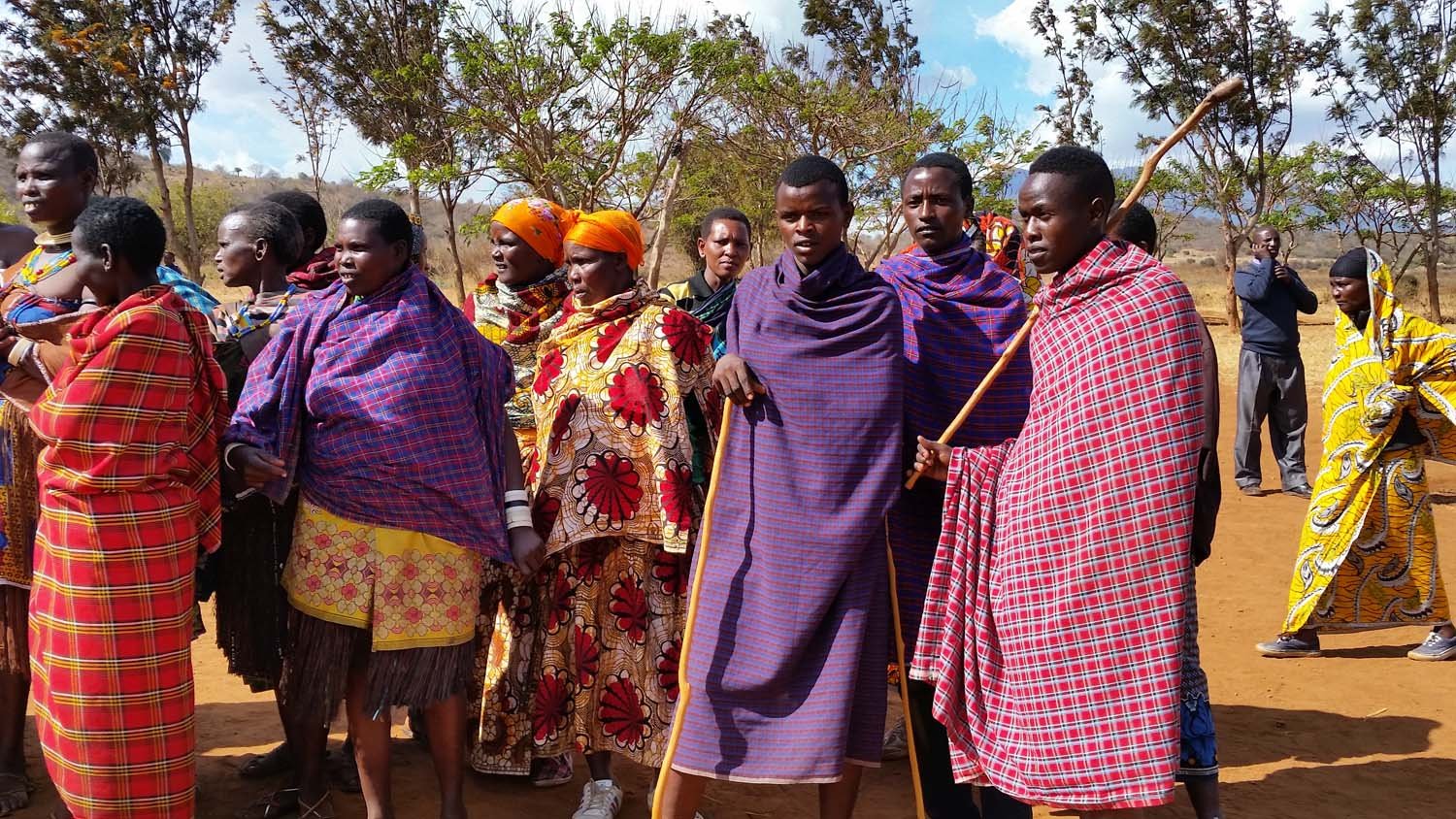
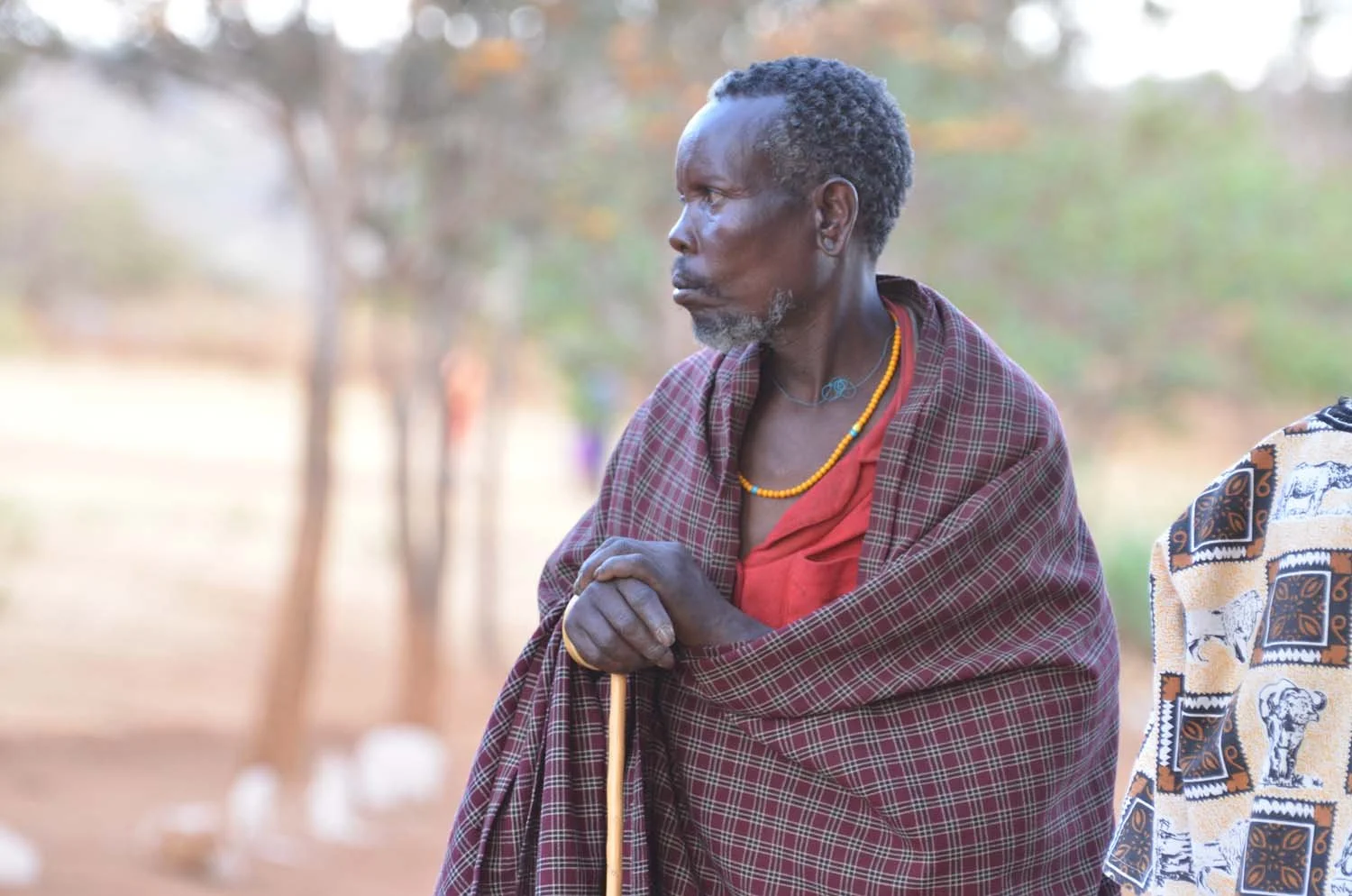
The Barabaig are semi-nomadic pastoralists who have lived on the high plateau surrounding Mount Hanang since approximately the mid-nineteenth century. Prior to migrating to the Hanang area, they inhabited the Serengeti Plain and the Ngorongoro Highlands until they were pushed southward by the Maasai in the mid-nineteenth century. They are a Nilotic people, meaning their origins lie in the Nile Valley, and they speak a dialect of the Datooga language. The name "Barabaig" refers to the knobbed stick that the men traditionally carry.
Beginning in the late 1960s and intensifying through the 1980s and 1990s, the Barabaig lost much of their traditional grazing land to a joint Tanzanian-Canadian wheat farming enterprise. In 1968, approximately 70,000 hectares of Barabaig land were taken over by a government-owned enterprise to establish commercial wheat farms, with construction of the farms continuing into the early 1980s and forced evictions extending through the 1990s.
Cattle are central to the Barabaig way of life, serving as their primary source of sustenance, social status, and currency. A man's social position is directly tied to the number of cattle he owns. The Barabaig prioritize dairy production over beef. They will sell steers in order to purchase necessary goods, but cows are only sold out of desperation. Due to the loss of much of their traditional grazing land, the Barabaig lifestyle has become less nomadic. Their settlements are less permanent than their Iraqw neighbors, though they may stay in the same location for years at a time. Men and older boys travel long distances with the cattle in search of suitable grazing land, while the women and younger children maintain an established home base. Traditionally, the Barabaig did not grow crops.: however, subsistence farming has become increasingly common. Women are the primary farmers while men tend to the animals.
The Barabaig primarily practice traditional ethnic religions, with only a small minority identifying as Christian or Muslim.
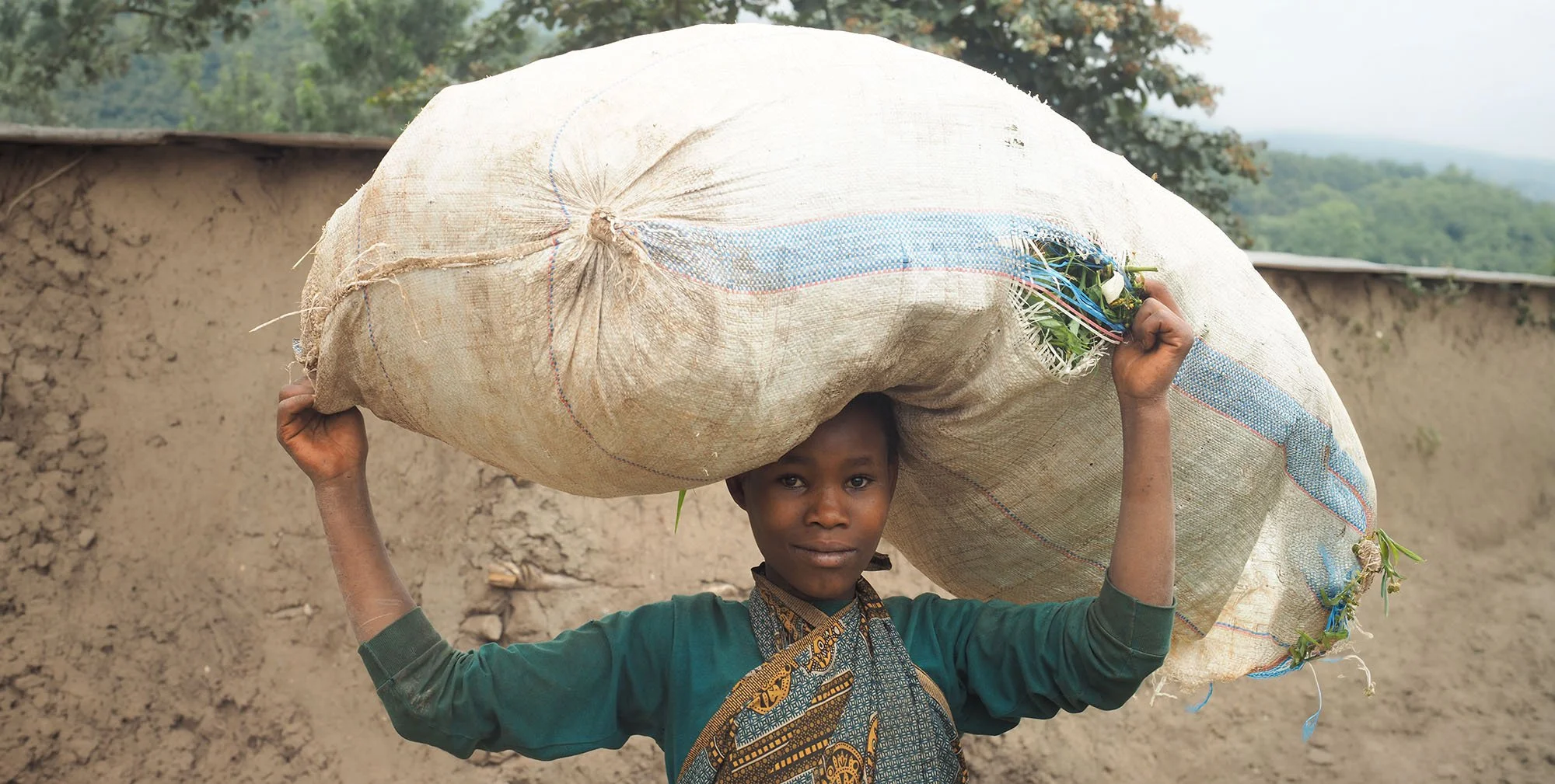
As in most traditional societies, child labor is integral to the economic life of the community. Children tend flocks, perform household chores, care for younger siblings, transport water, and work in the fields. Sending children to school presents an economic hardship to struggling families. This reality is a major contributor to high absenteeism rates. Even when children are enrolled, they may only go to school on days when they are not needed at home. Compulsory primary school education puts families in direct conflict with teachers and government officials who are mandated to enforce truancy laws.