Dumbeta Secondary School
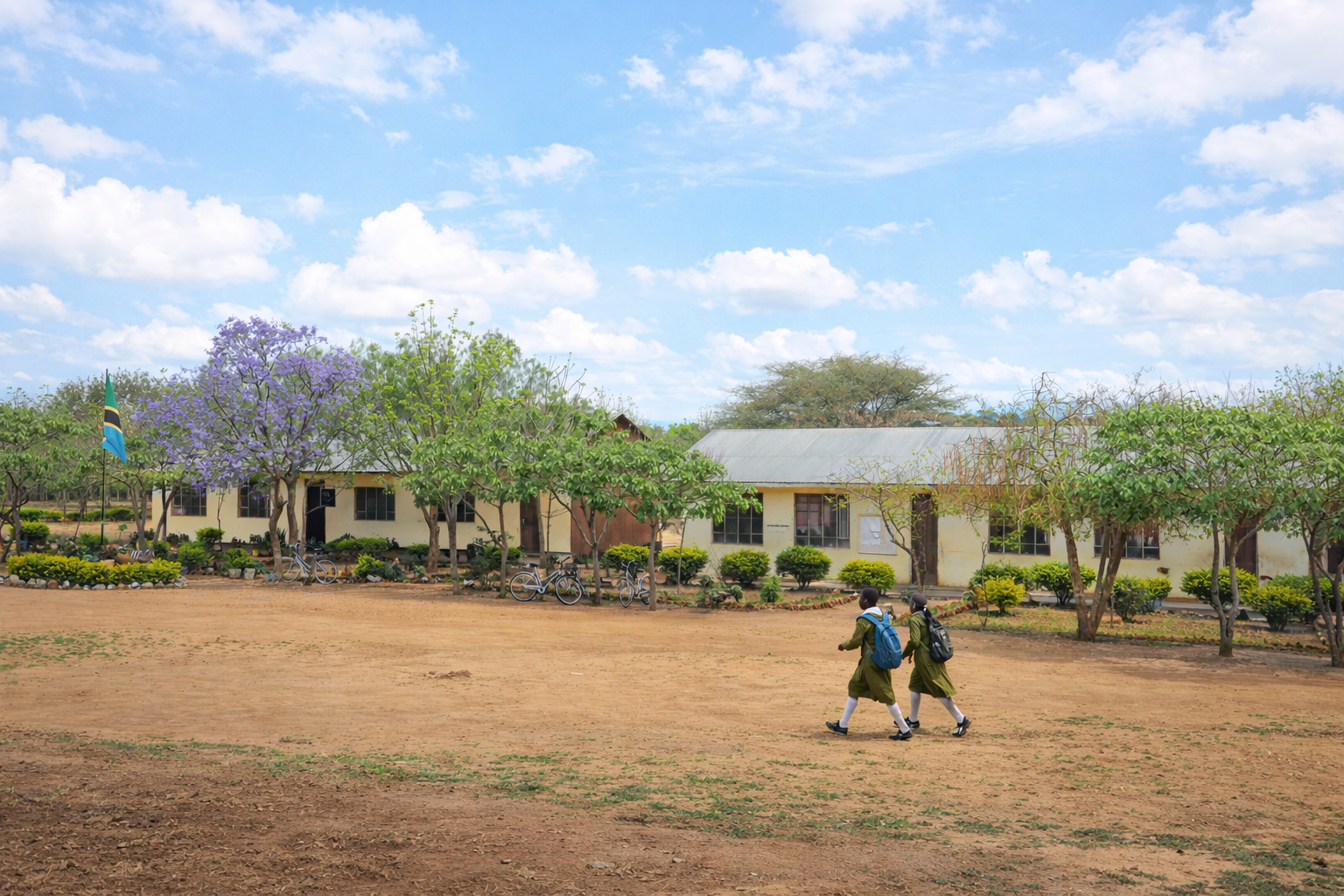
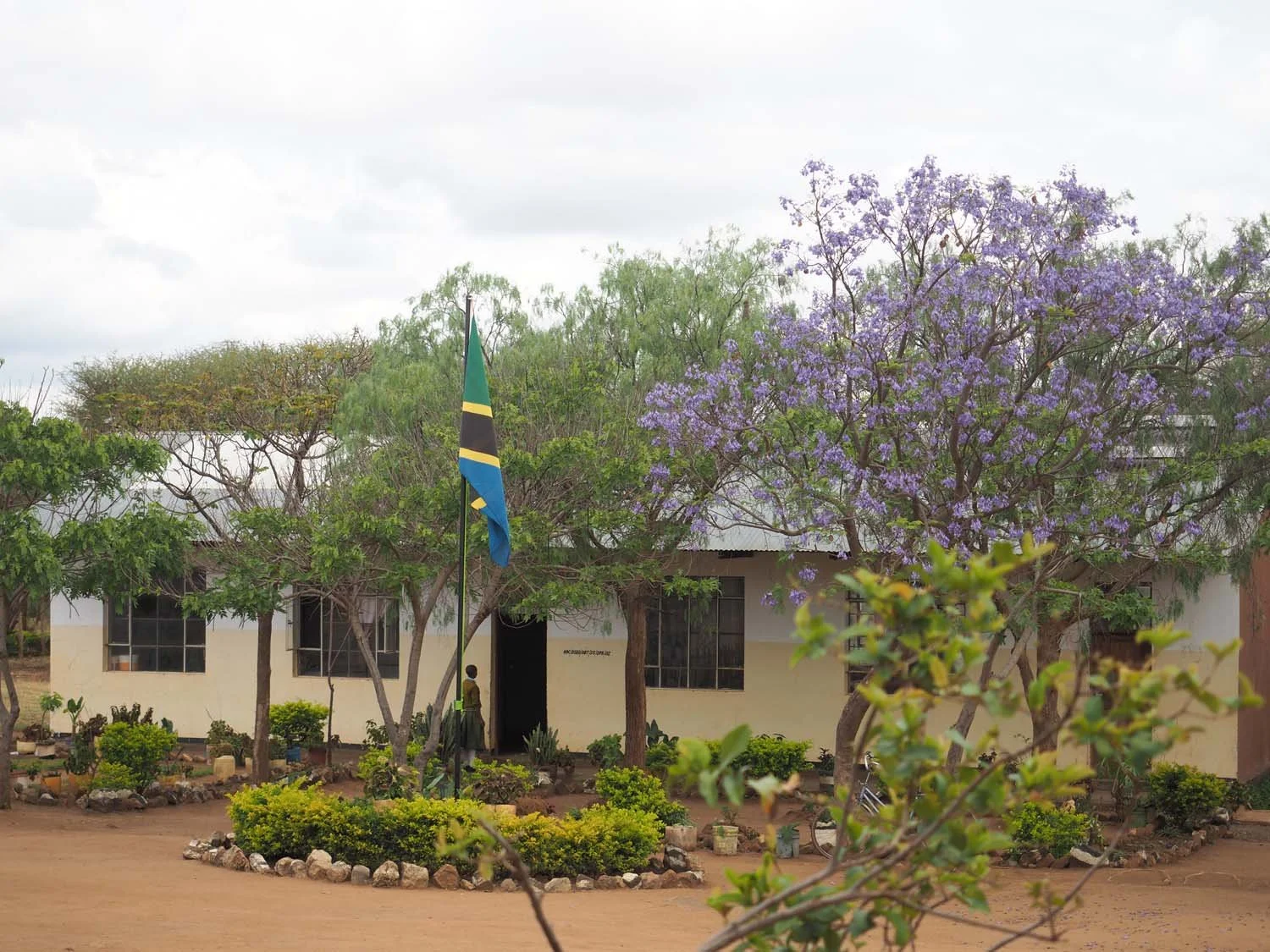
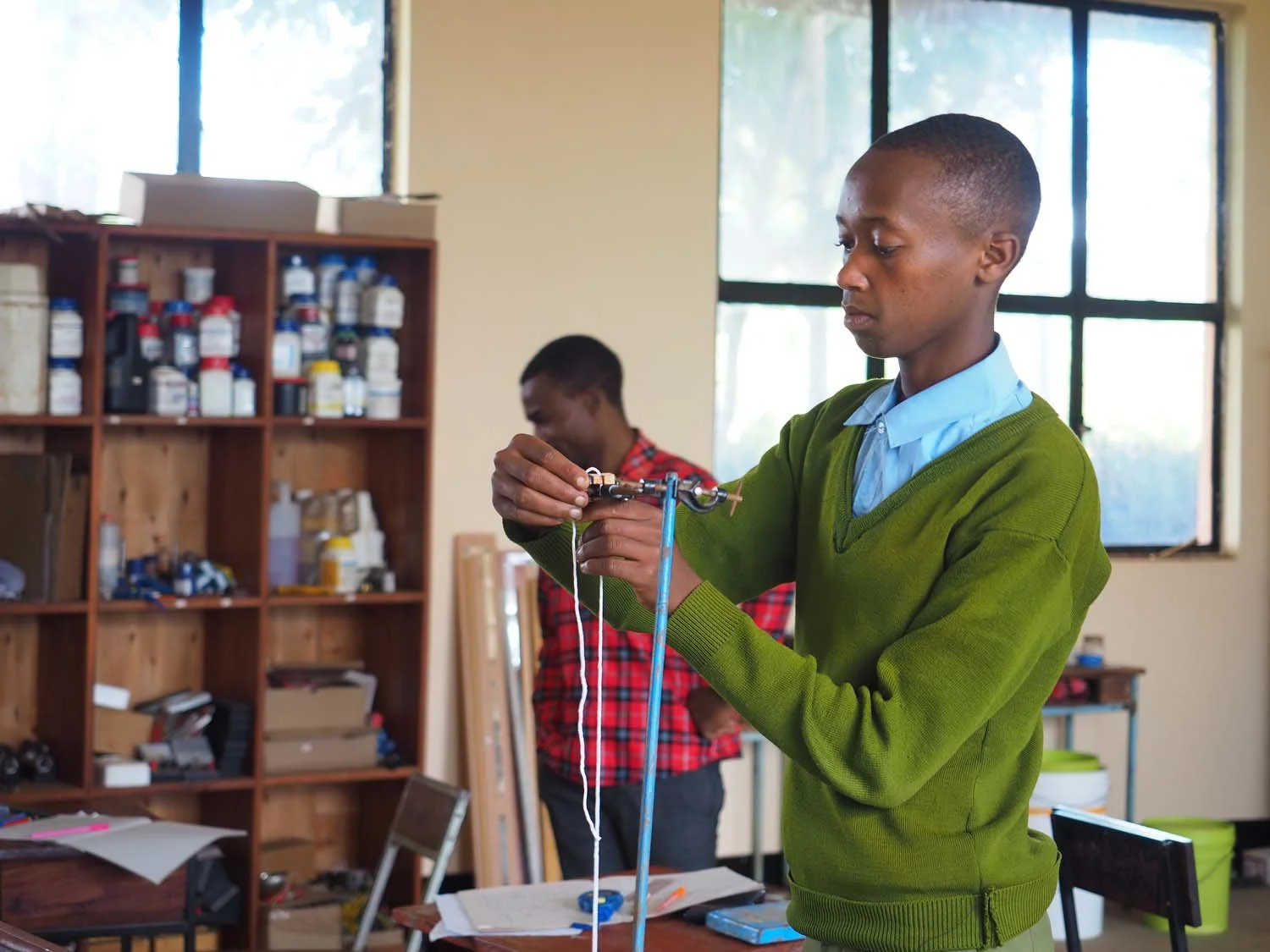
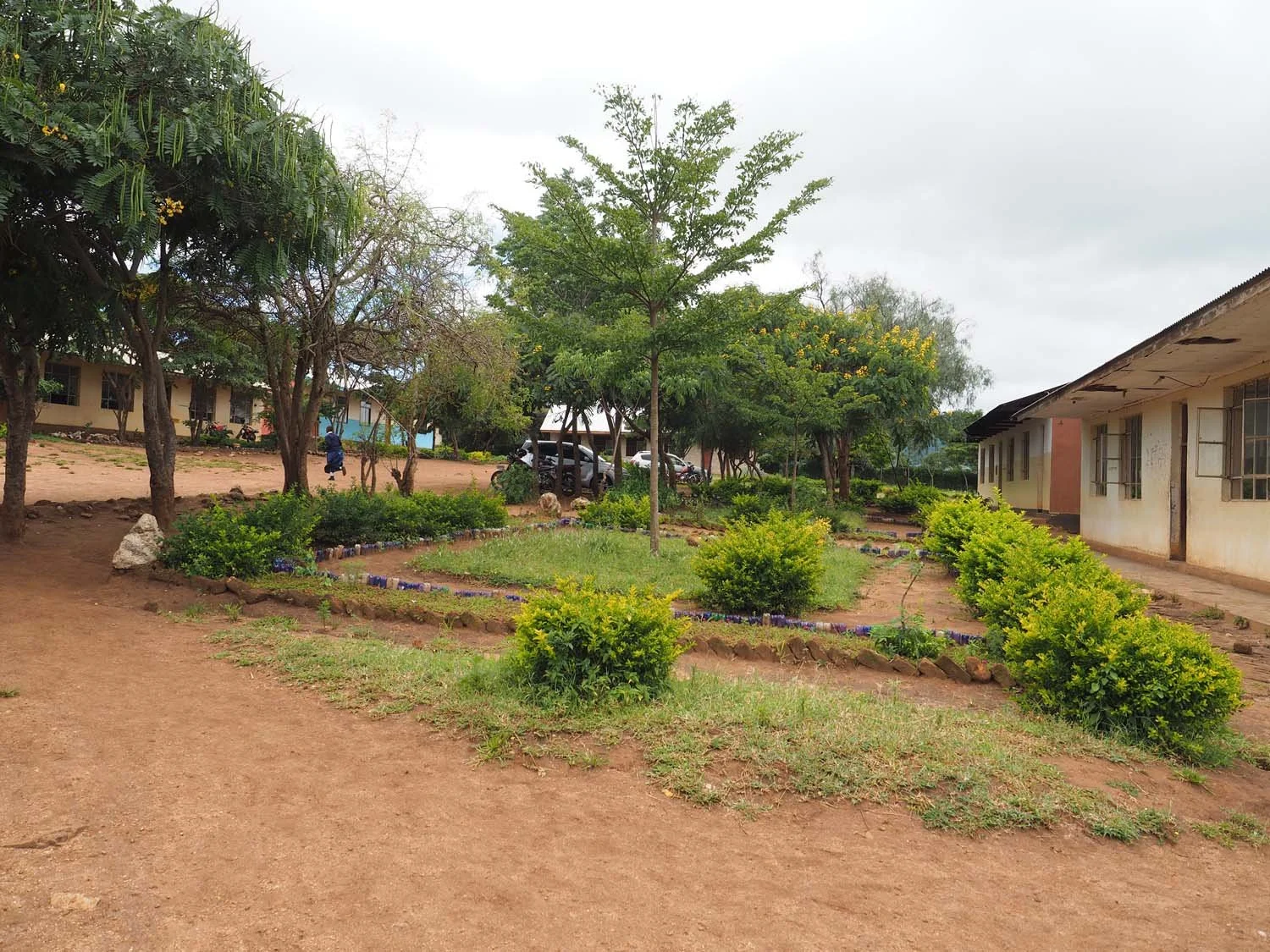
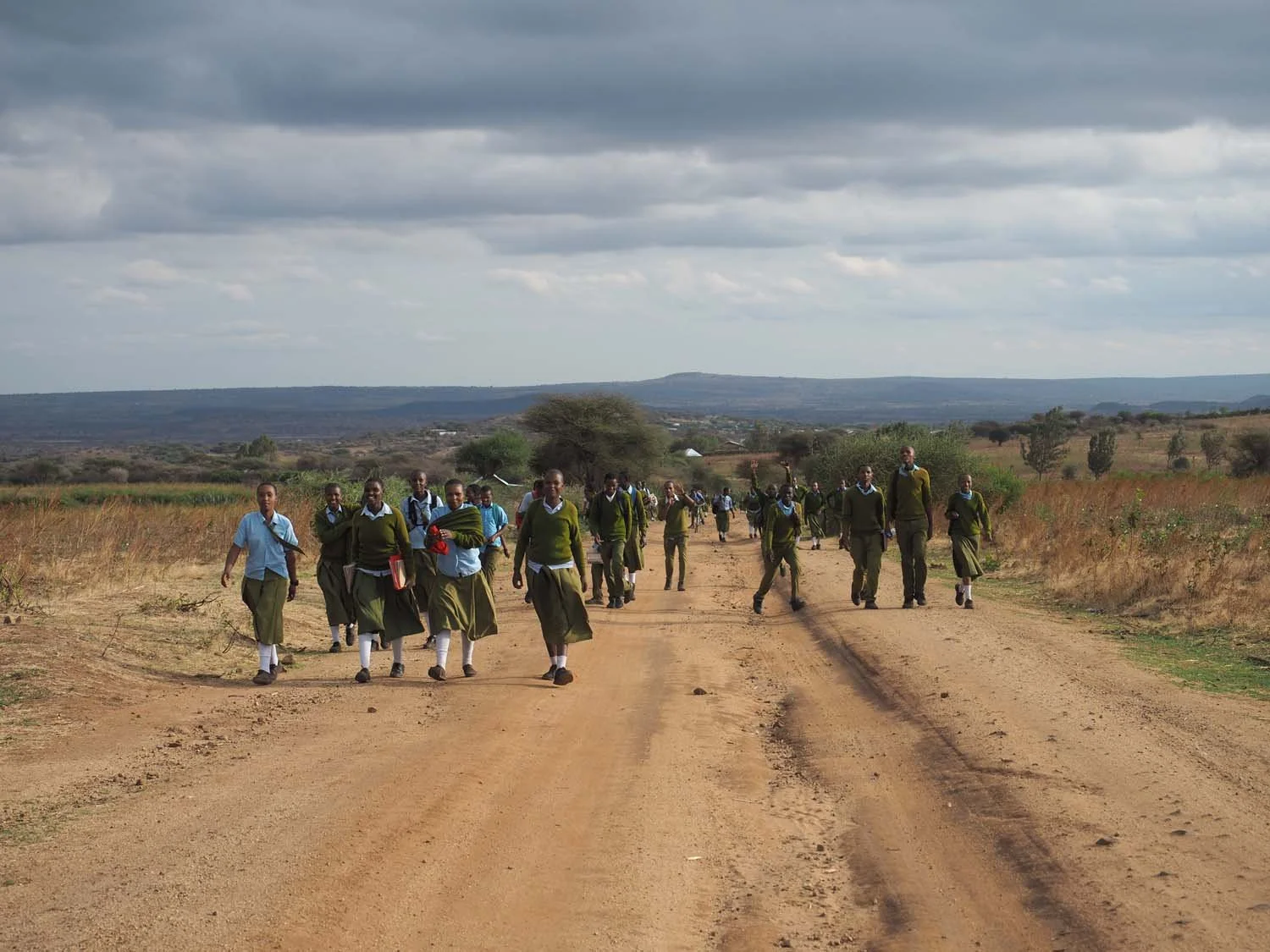
Dumbeta Secondary School is the only secondary school in Dumbeta Ward. All five of the ward’s primary schools feed into it.
Opened: 2010
Enrollment: 357 (2026)
Head Teacher: Mr. Emanuel Laway Anney
COMPLETED PROJECTS
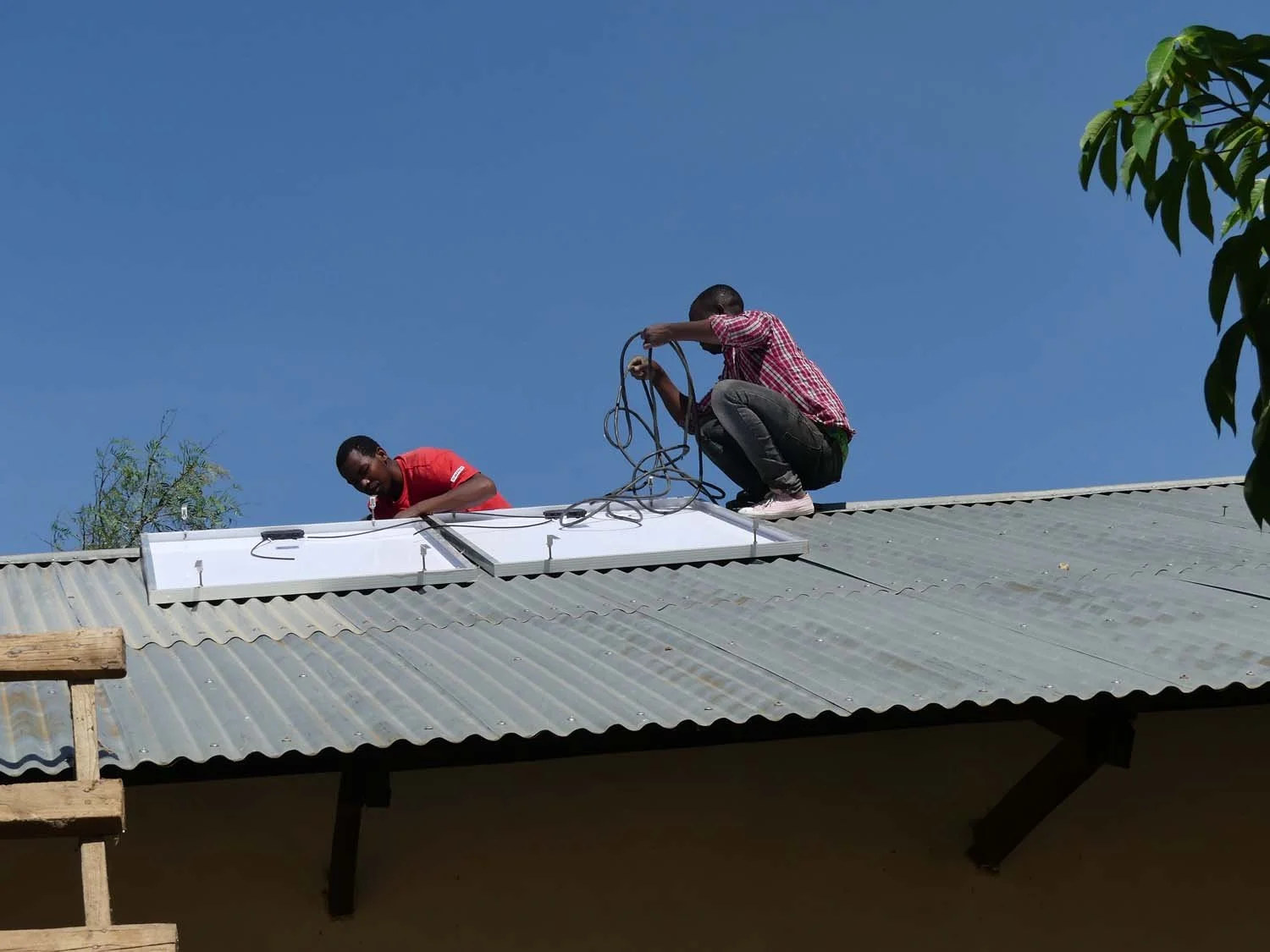
2020: SOLAR PROJECT
Prior to 2019, none of Dumbeta Ward's five schools had electricity. Community meetings in October of 2019 led to the decision to make the installation of solar energy at Dumbeta Secondary School a top priority.
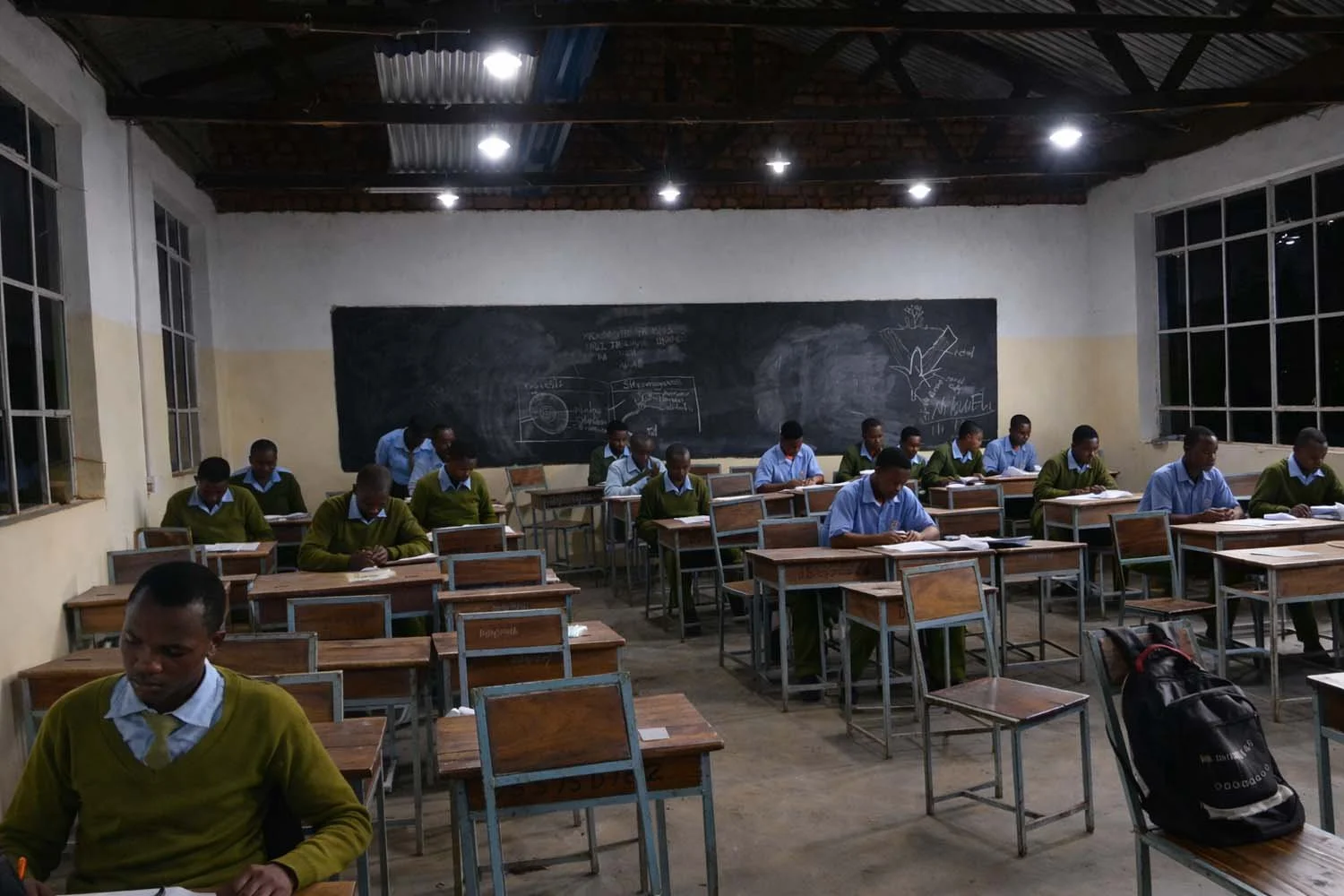
School electrification has been shown to improve student performance, enhance teacher satisfaction, and benefit the community in multiple ways. Without electricity, students have no access to computers, digital learning tools, or the vast educational resources available on the internet. Teachers are limited in the materials and methods they can use. Evening study sessions are difficult or impossible.
By supplying electricity to Dumbeta Secondary School, The Rafiki Village Project sought to have a positive impact on school enrollment, school attendance, test scores, graduation rates, and ultimately, the economic health of the whole community.
The government did not have any plans to extend the national electrical grid to the schools in the foreseeable future. Solar energy was therefore the most practical and sustainable way to provide electricity to the school.
Solar energy has numerous advantages. It is renewable and does not depend on fossil fuels. There are lower installation and infrastructure costs. The school does not have to pay a monthly utility bill, reducing ongoing expenses. And, finally, solar-powered schools are not susceptible to grid blackouts, which happen frequently in Tanzania.
2020: PHOTOCOPIER
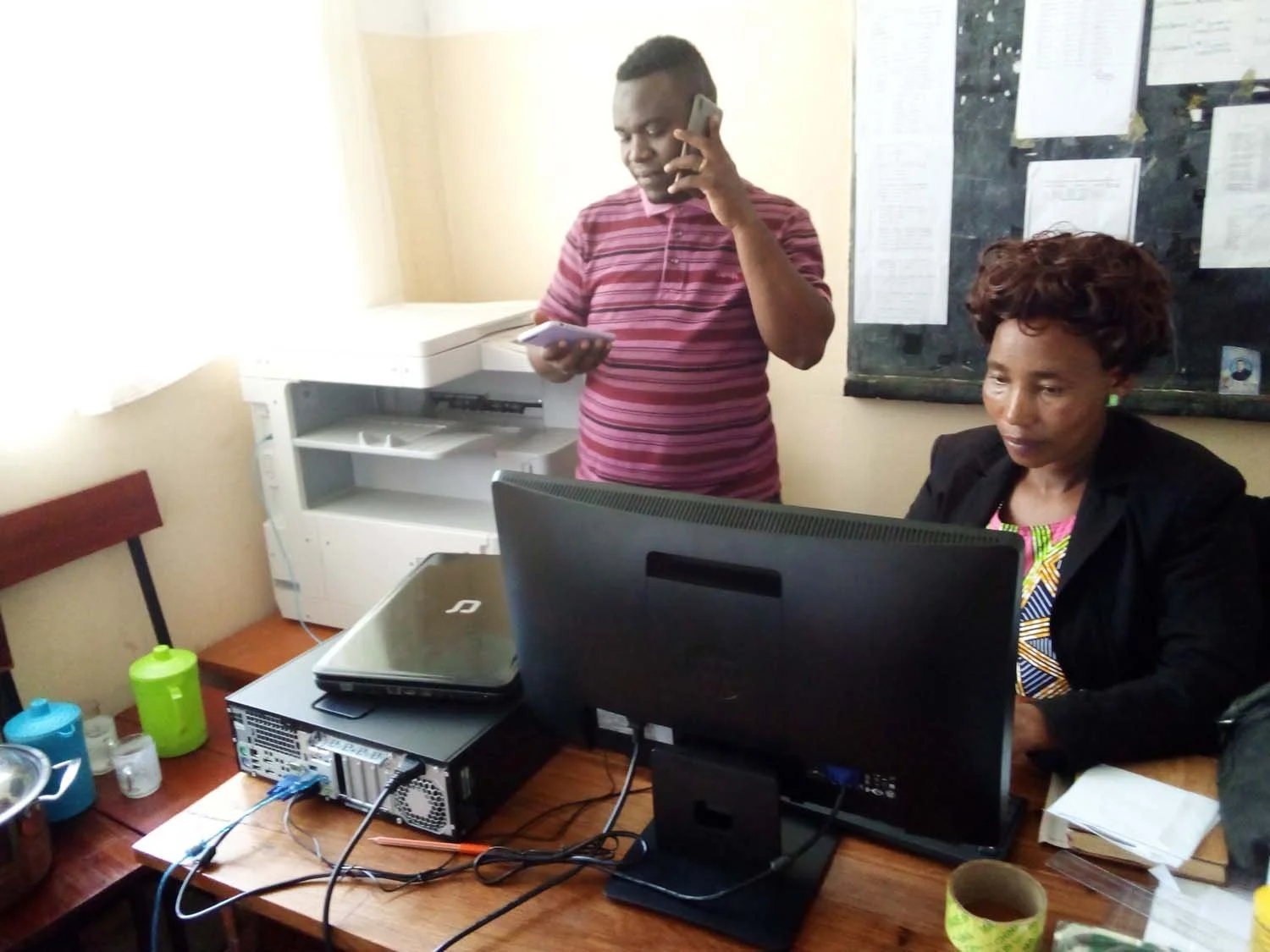
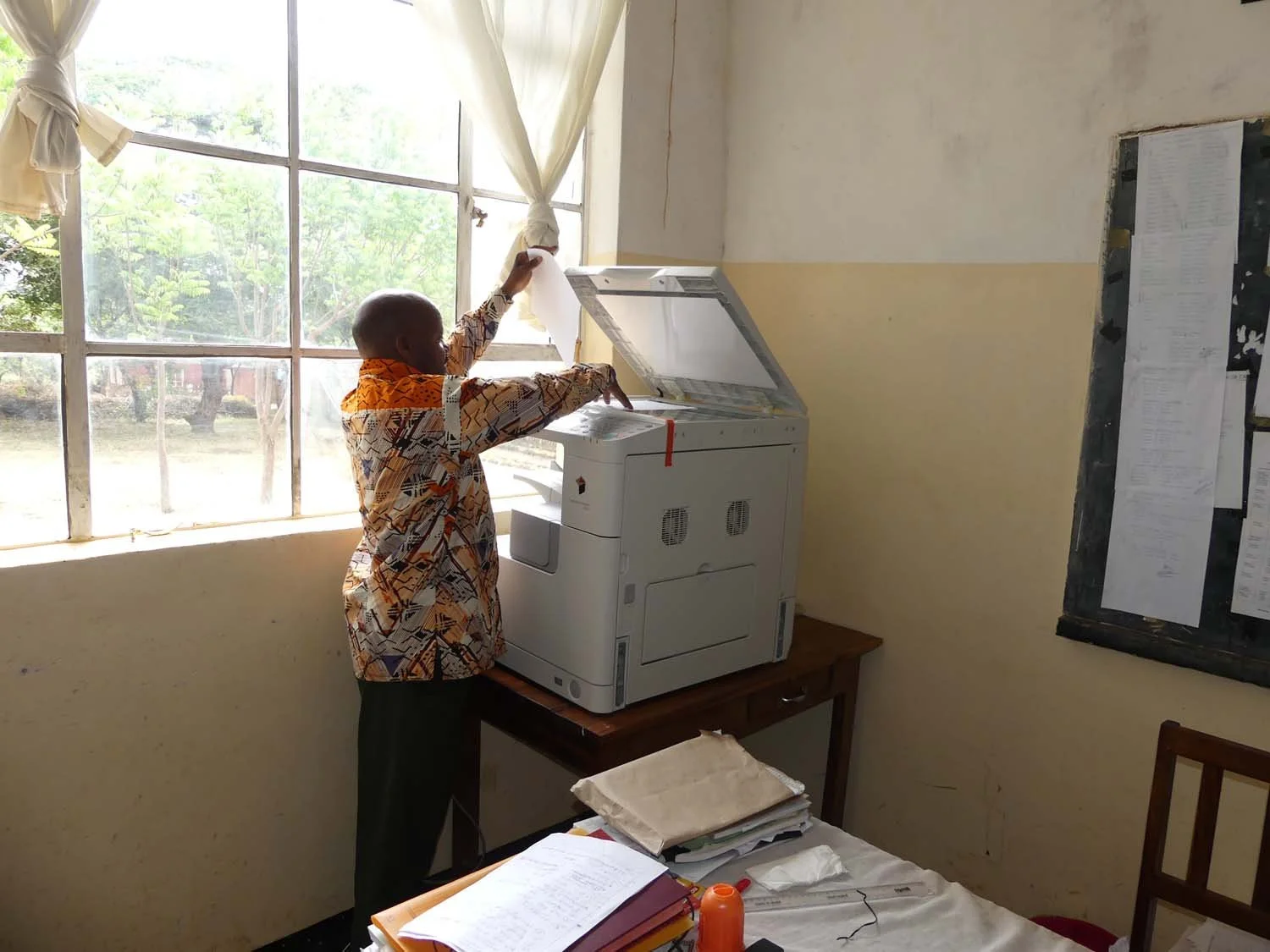
In the fall of 2020, The Rafiki Village Project donated funds to purchase a photocopier for Dumbeta Secondary School. The recent electrification of the school made this possible.
In rural Tanzania, photocopiers are rare outside of government offices and commercial stationary stores. The photocopier at Dumbeta Secondary School is shared with all of the ward’s six schools. It has provided multiple benefits to teachers and students.
Schools previously spent a significant portion of their limited budgets on photocopying examinations and educational materials at commercial stationery stores in town. The photocopier allows the schools to make copies in-house. This has allowed them to redirect the savings toward other educational supplies.
Examinations are all-important in Tanzanian education. All primary school students must pass a national exam before being admitted to secondary school. Likewise, graduating secondary school students must pass a national exam before advancing to higher education.
However, the government provides only a single printed copy of each national exam to schools. Schools must therefore use their very limited budget to print exams for the students, or – if funds are not available – exam questions must be hand-written on the board. This cuts into the time allotted for the exam, suppressing student scores. Having access to a photocopier ensures that every student receives a complete printed examination and full testing time.
This seemingly simple piece of equipment has a direct and measurable impact on student performance and academic opportunity.
2021: SCHOOL KITCHEN
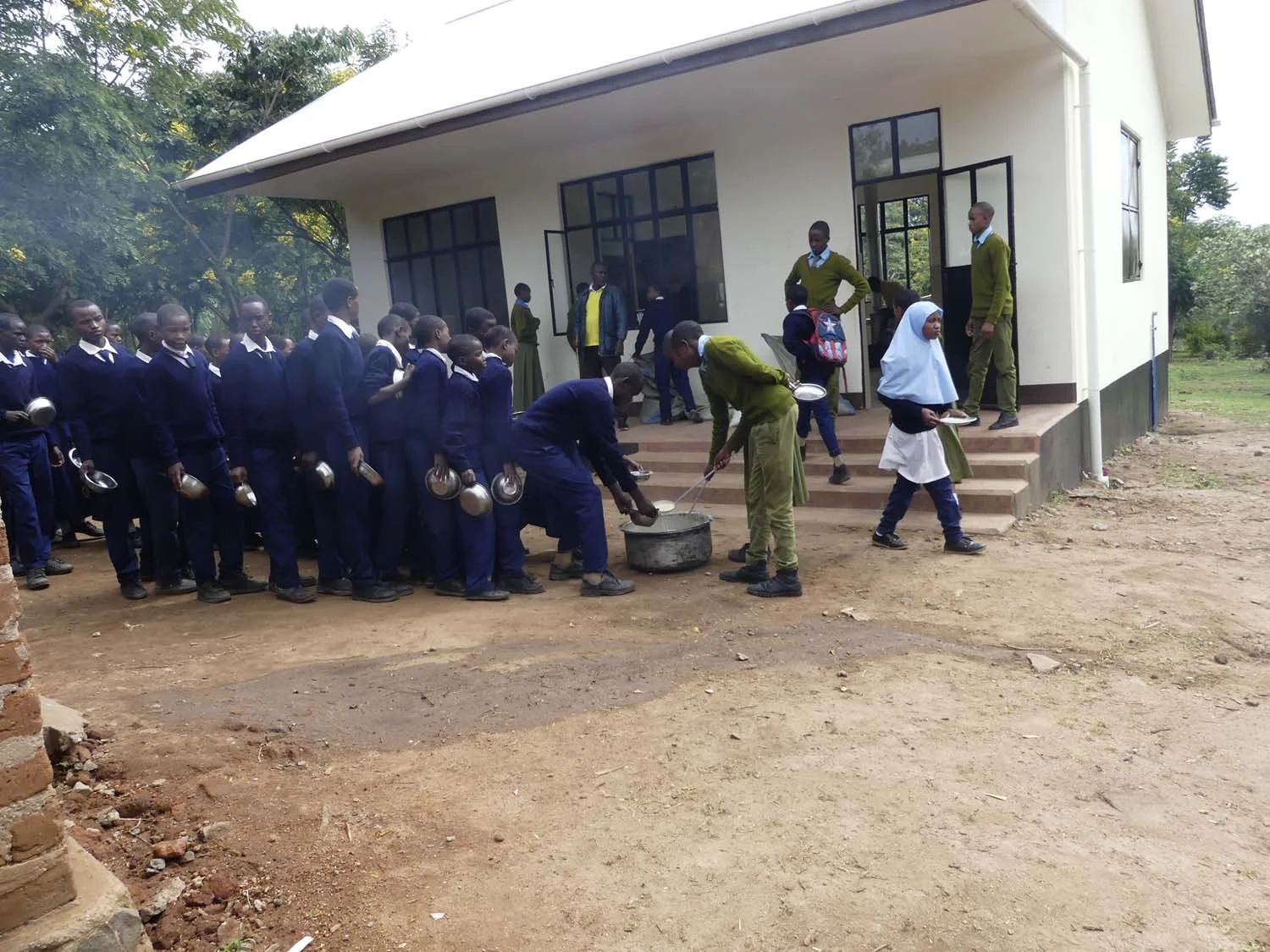
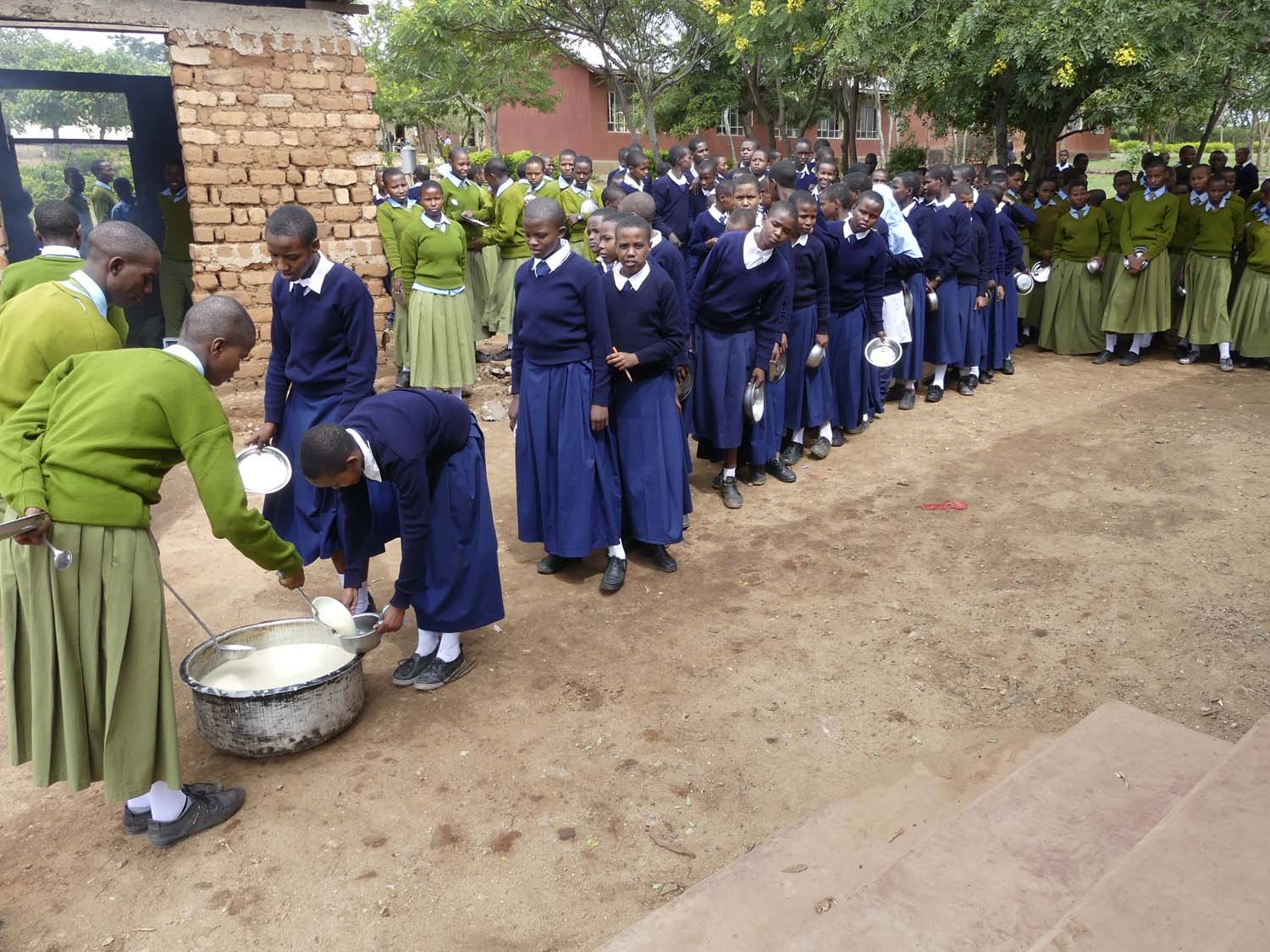
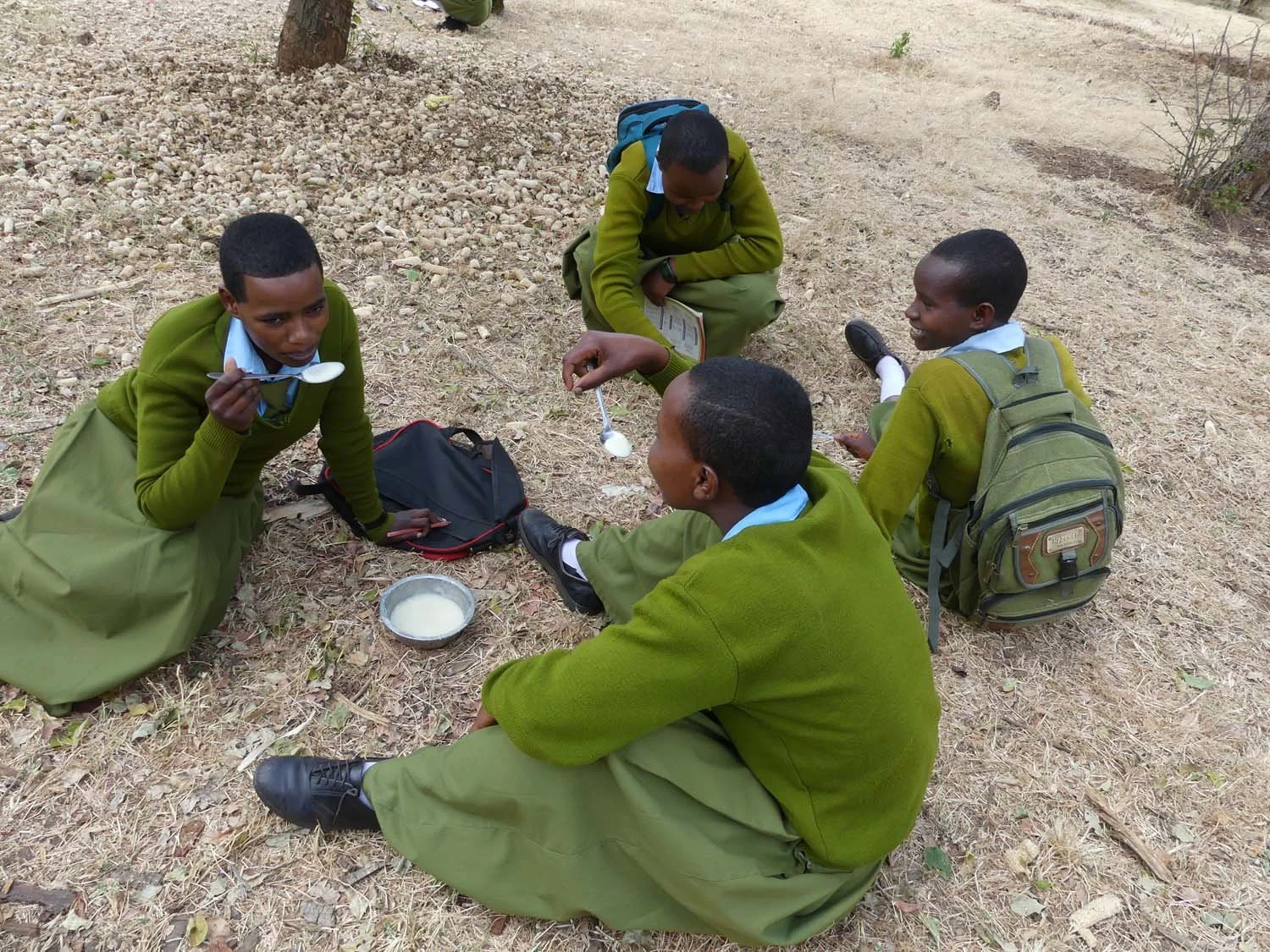
Many of Dumbeta Ward’s children come from families that are only able to provide one meal a day. Malnutrition and hunger are common and have a direct, negative impact on school performance. A student who is hungry cannot fully engage in learning.
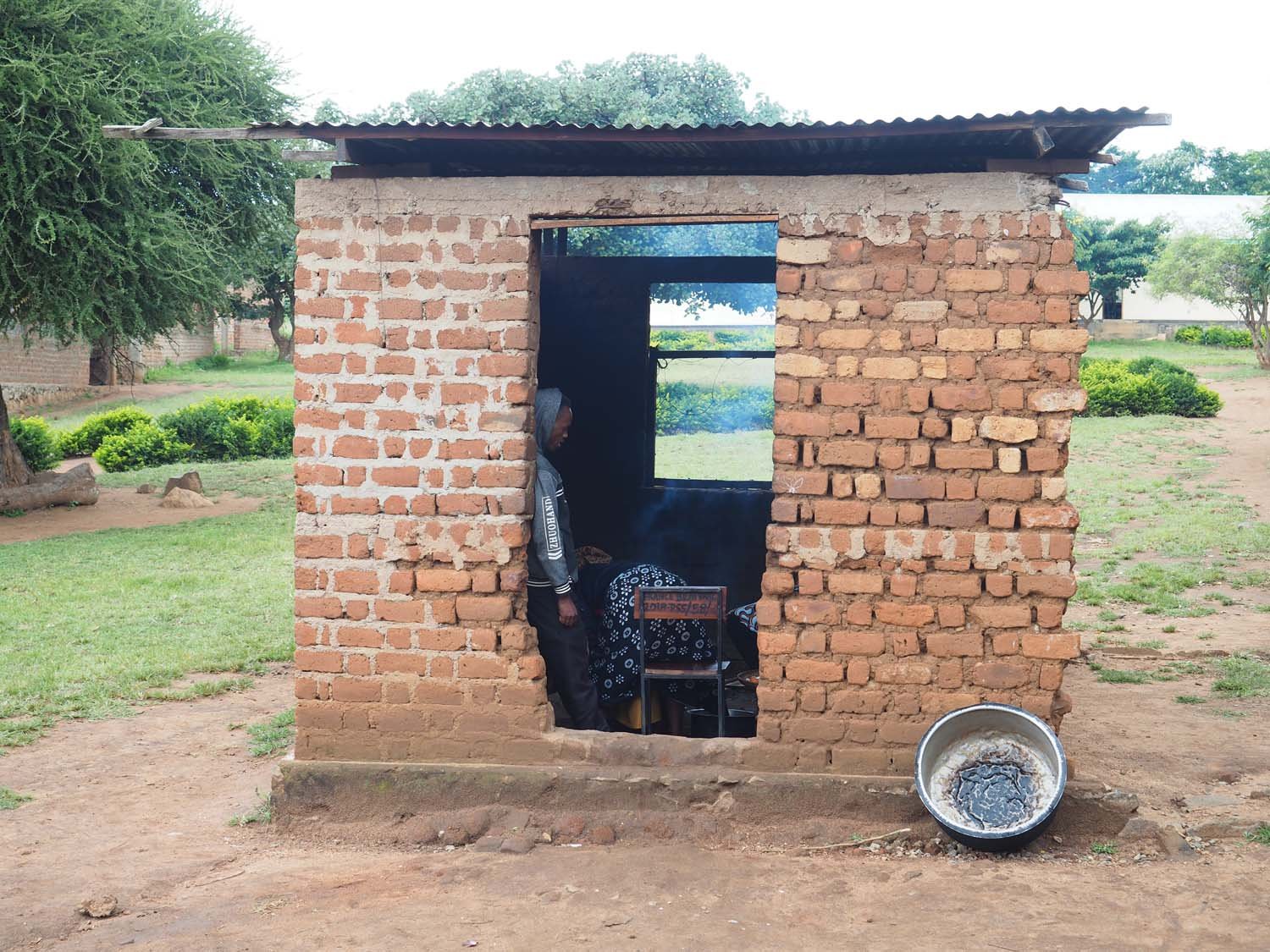
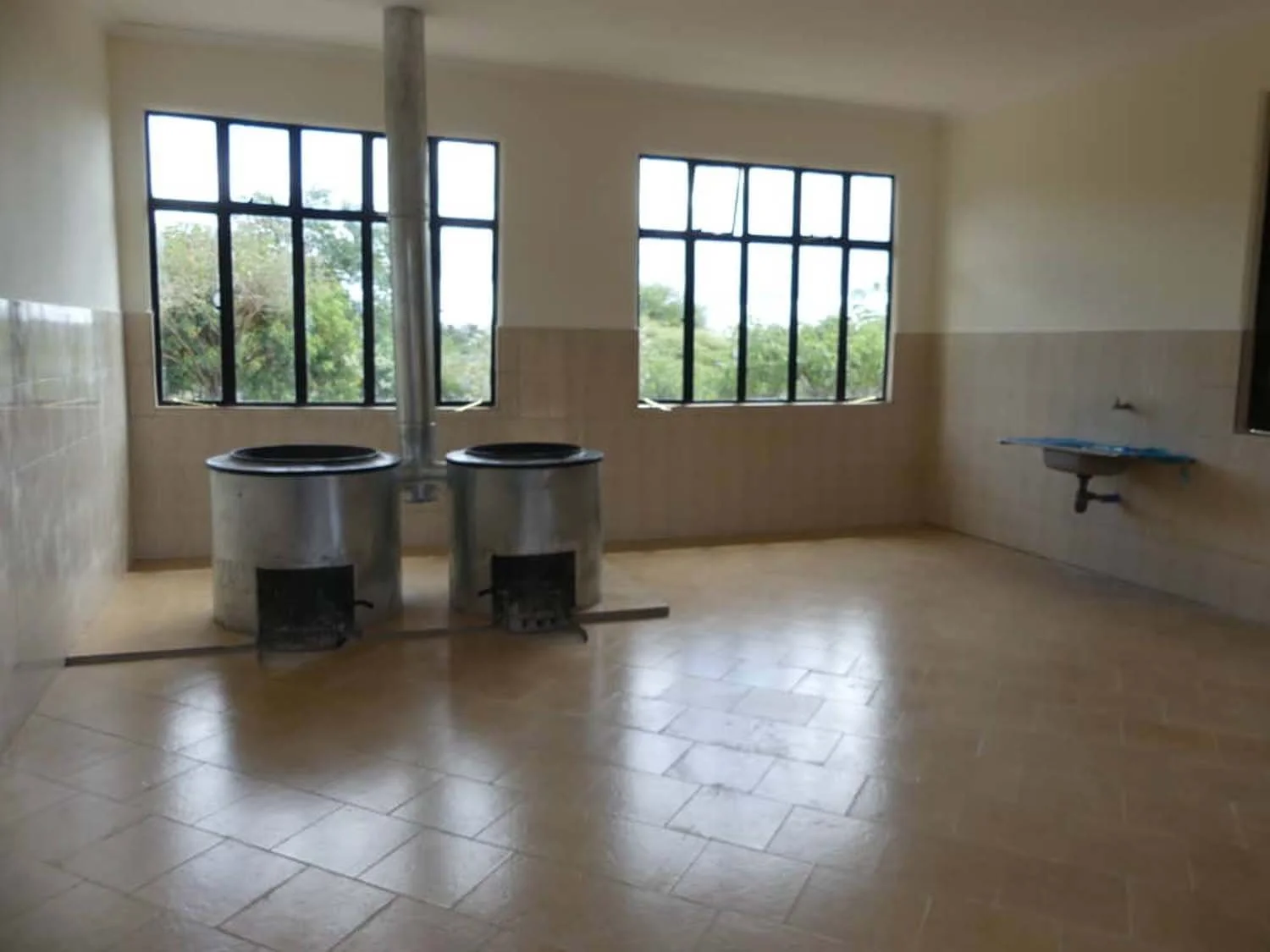
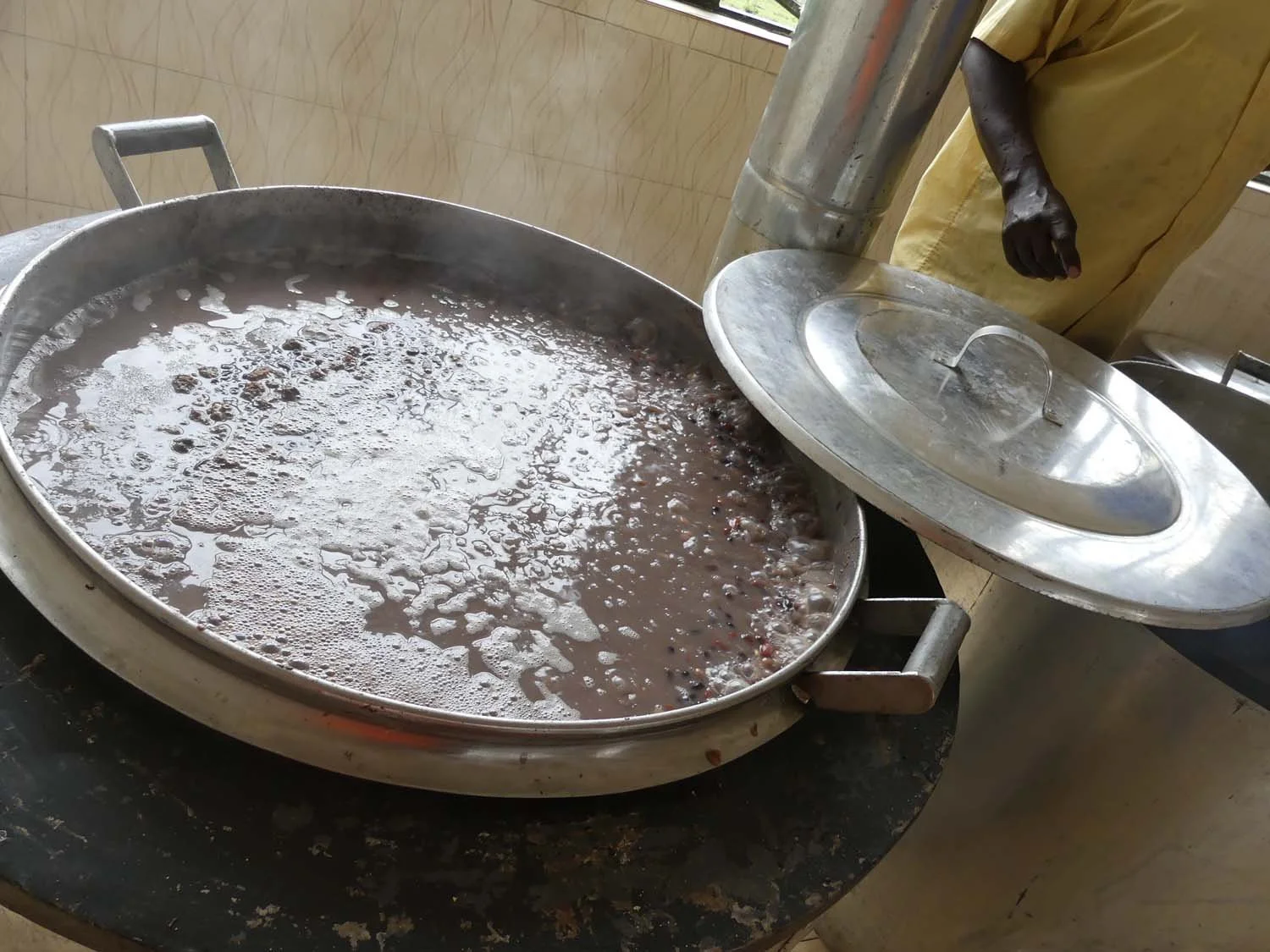
A school kitchen makes it possible for students to receive a daily hot meal at school. In 2021, the community asked for help to build a new kitchen at Dumbeta Secondary School, to replace the open fire they had been cooking over.
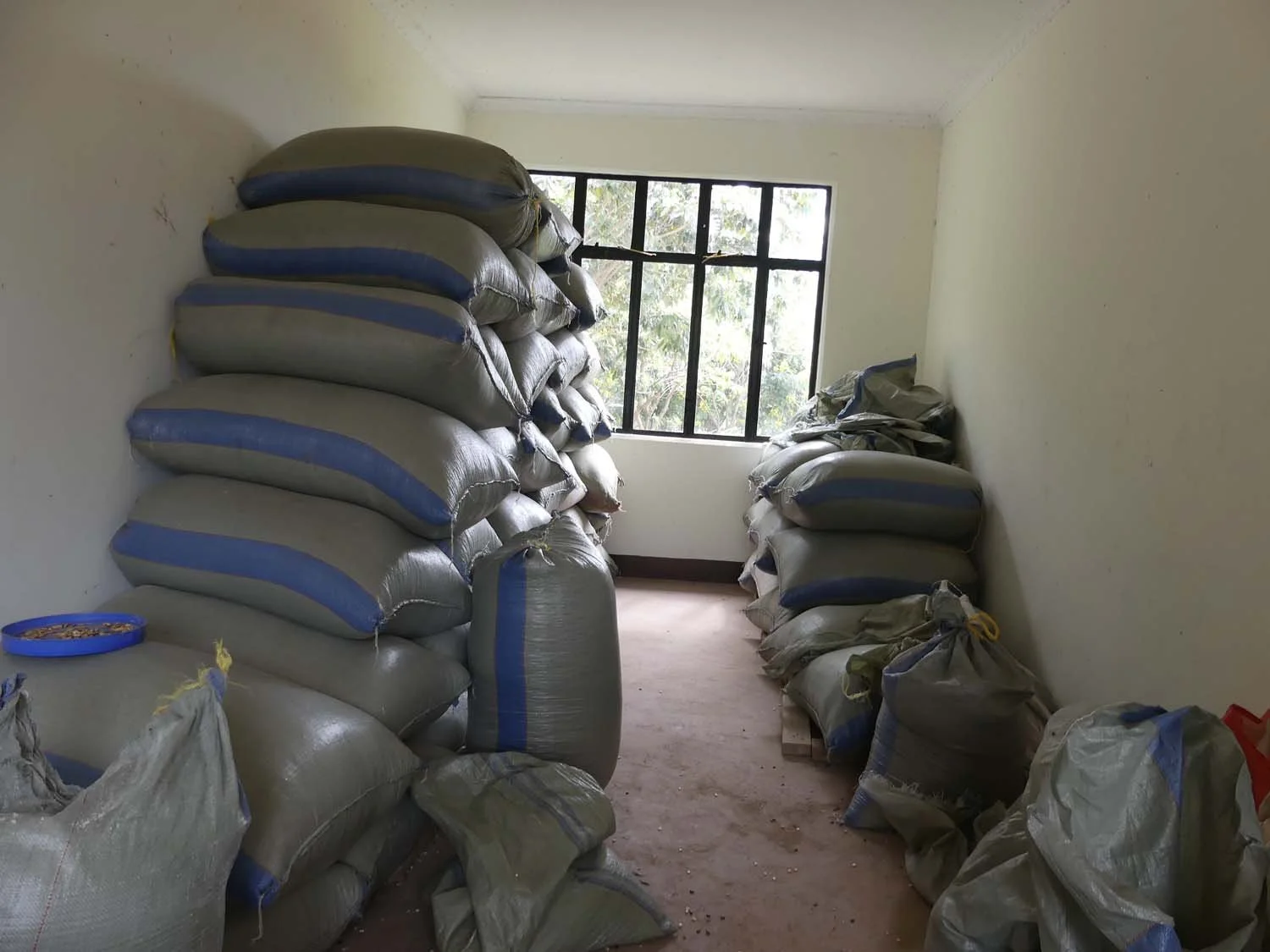
As with all our projects, this was a collaborative effort. The community supplied the bricks to build the kitchen. Parents committed to providing food for their children’s lunches. Parent volunteers do the cooking and clean up because it is important that teachers and students not be taken away from the classroom. The Rafiki Village Project funded the construction costs and assists with ongoing maintenance, to ensure that the kitchen will continue to provide meals for years to come.