
Access to Technology
Impact Summary
First access to electricity at Dumbeta Secondary School through solar power installation.
Internet connectivity and computers enabling teachers to access lesson resources, professional development, and global information.
A photocopier, allowing teachers from all six schools to produce learning materials that previously had to be written by hand.
Life-saving medical equipment at Dumbeta Dispensary, including a vaccine refrigerator, autoclave, centrifuge, and fetal dopplers.
Improved patient care and clinic efficiency through the introduction of computers for medical records, medication tracking, and inventory control.
These investments demonstrate how relatively modest technological resources can dramatically improve education, health care, and opportunity in a rural community.
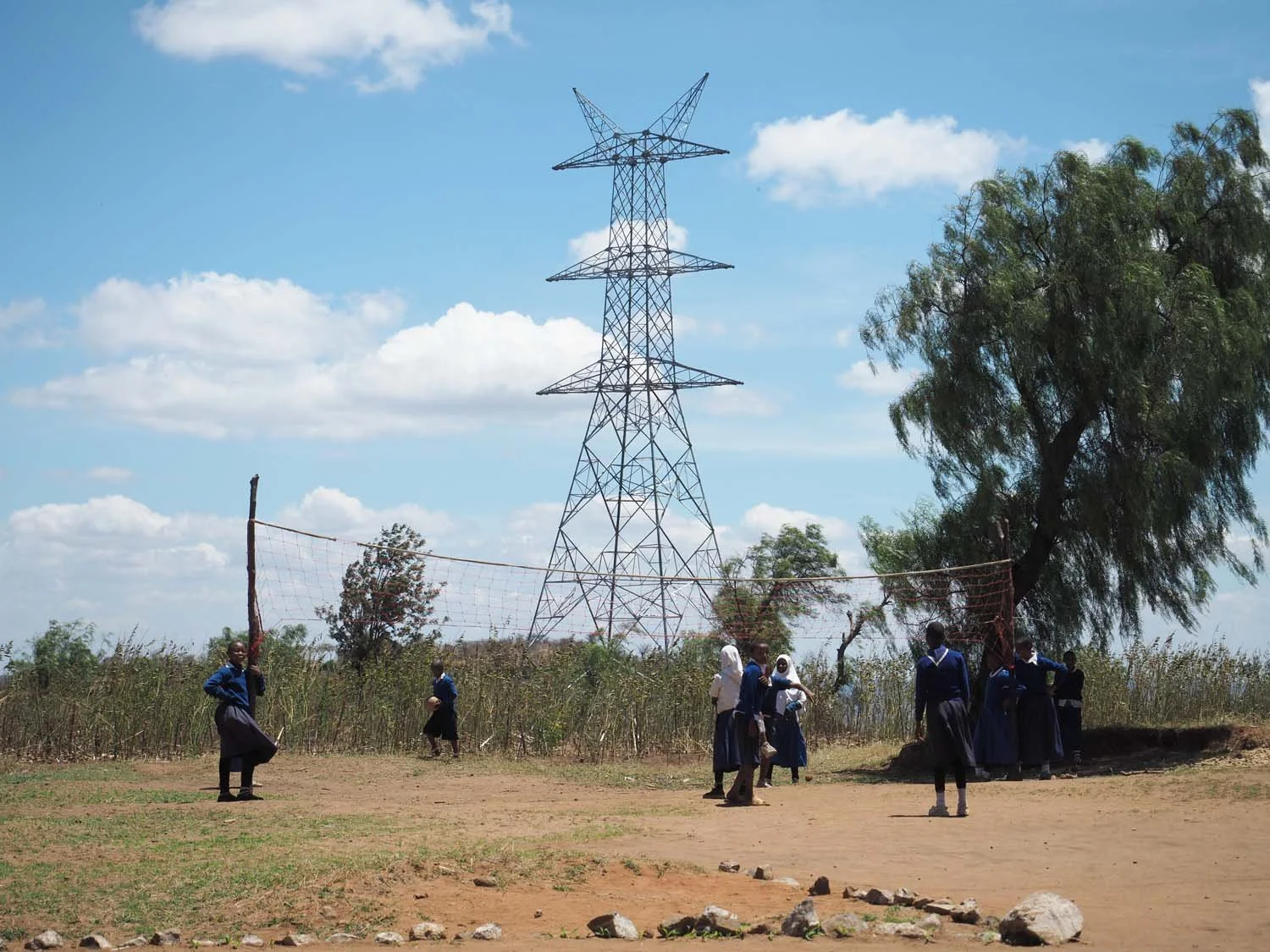
Access to technology is increasingly recognized as a fundamental human right. Without reliable access to electricity, internet and digital tools, individuals and communities are cut off from educational resources, economic opportunities, modern health care, and civic participation. For rural communities like Dumbeta Ward, technology is not a luxury, but a critical part of the pathway out of poverty. Technologies have been slow to come to rural Tanzania. For example, of Dumbeta Ward’s schools, only the secondary school has electricity. When asked about their priorities for their schools and medical clinic, community members have consistently cited technological tools such as computers, photocopiers, and medical equipment.
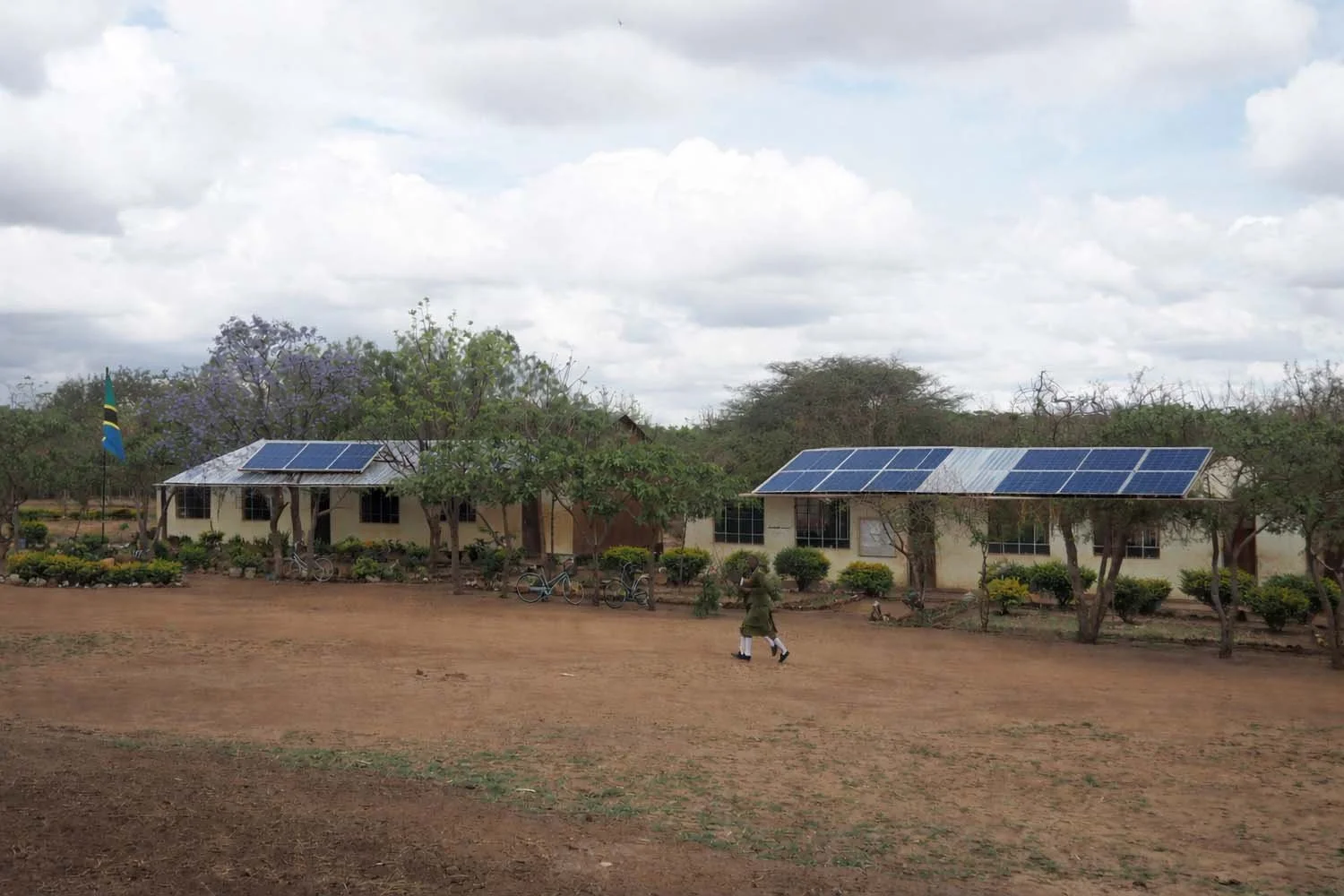
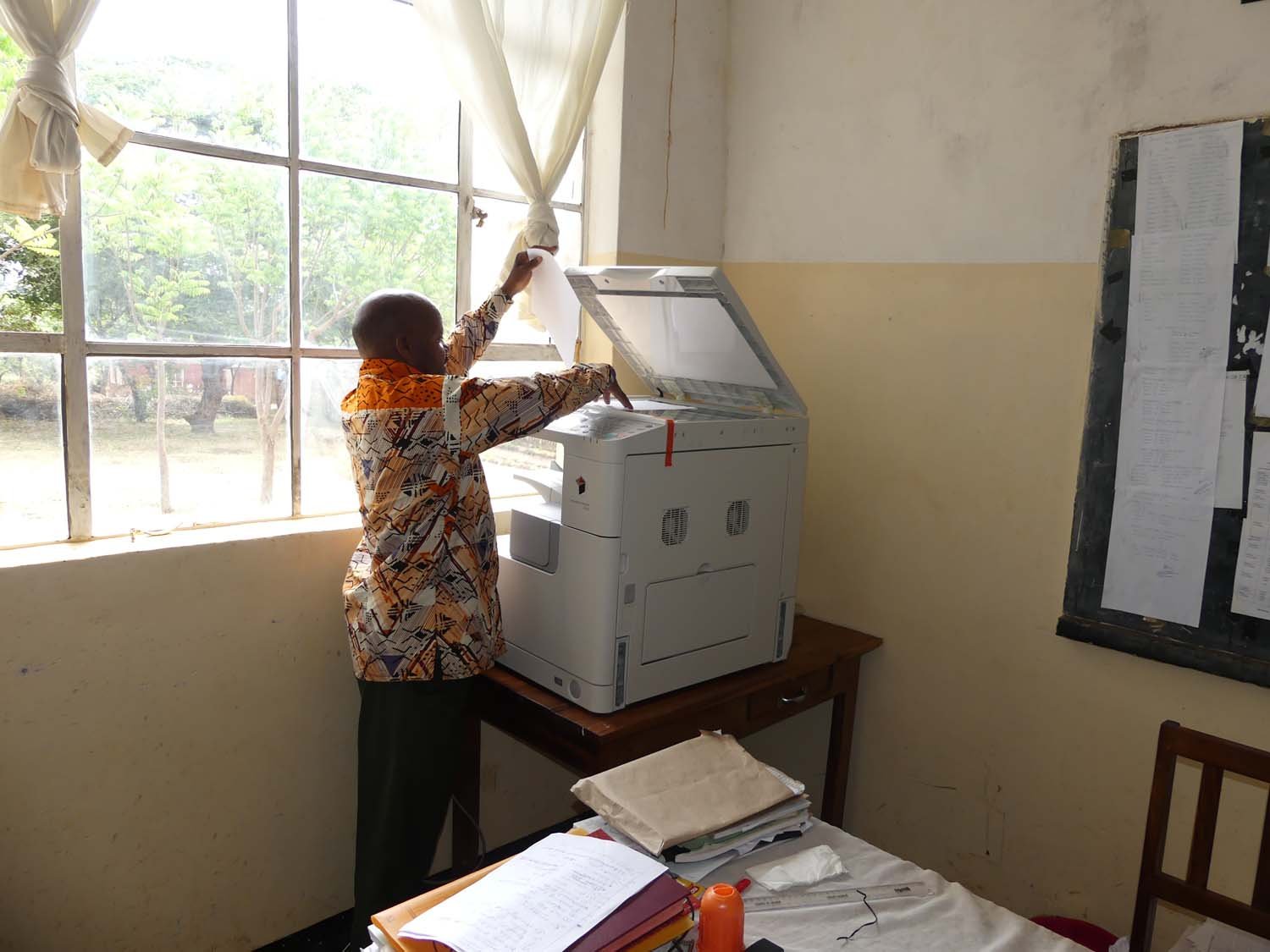
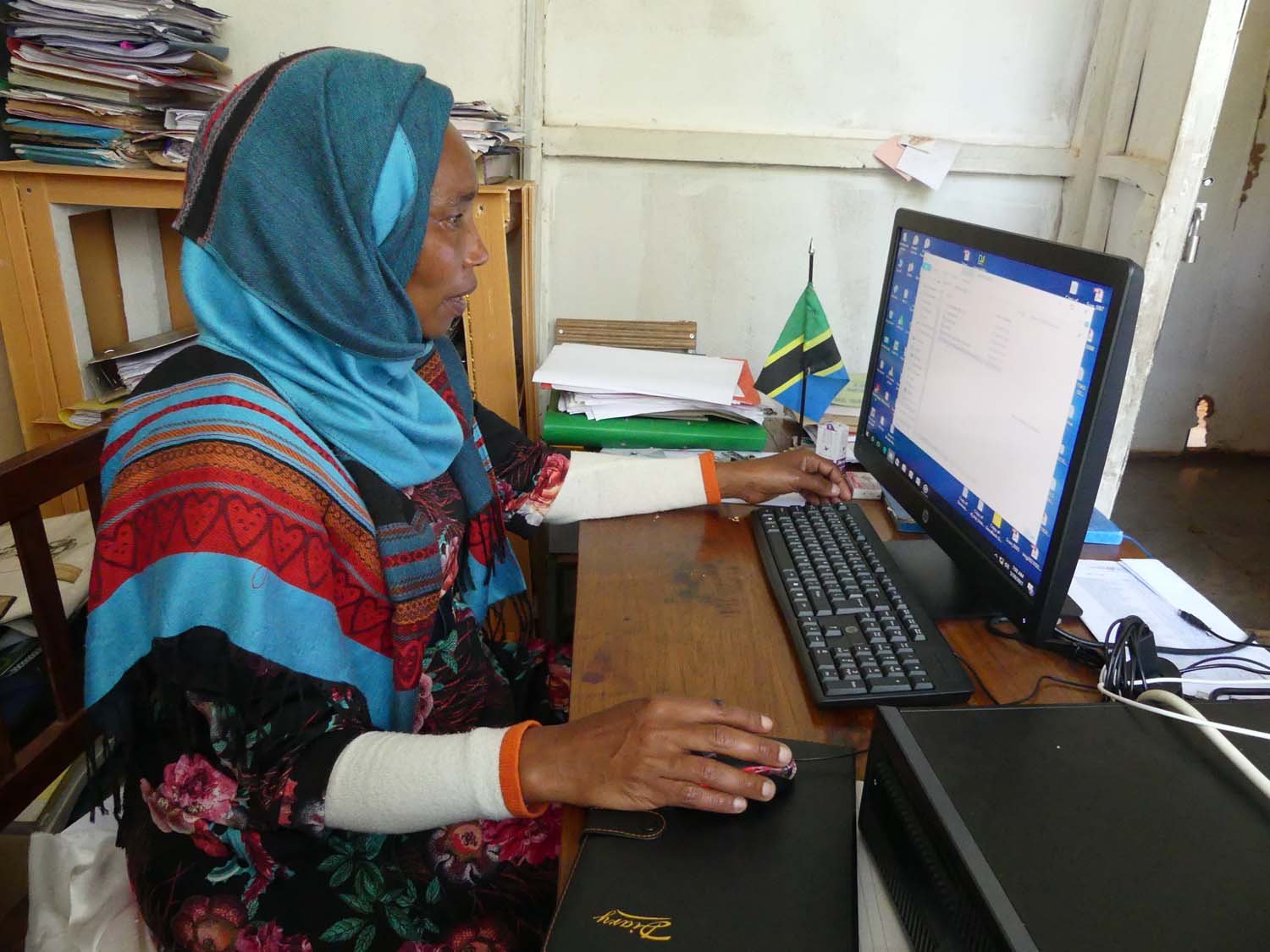
In 2020, when the Rafiki Village Project financed the installation of solar panels at Dumbeta Secondary School, the school gained access to electricity for the first time. Once the school had electricity, RVP was able to provide internet access, computers, and a photocopier.
The photocopier has been particularly transformative, as it allows teachers from all of Dumbeta Ward’s six schools to copy teaching and test materials to hand out to their students. Previously, everything had to be written out by hand on the blackboard or copied at significant cost at commercial shops outside the Ward.
Internet connectivity allows teachers to improve lesson planning, access professional development opportunities and stay current with world events. Students gain exposure to educational content that would otherwise be unavailable in a remote rural setting. In the future, RVP hopes to be able to help the community build a computer lab at the secondary school, so that students and teachers have access to the educational opportunities available online.
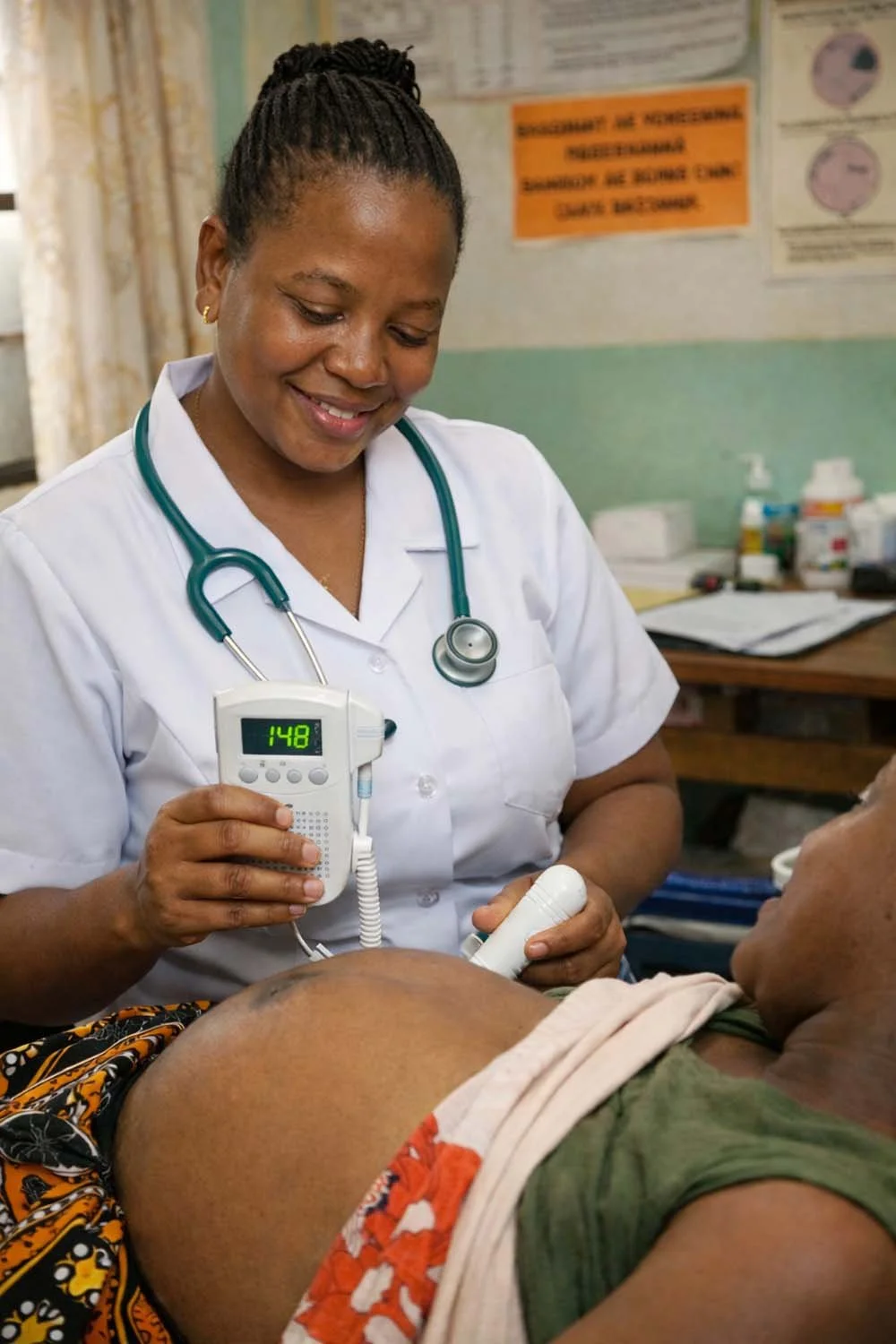
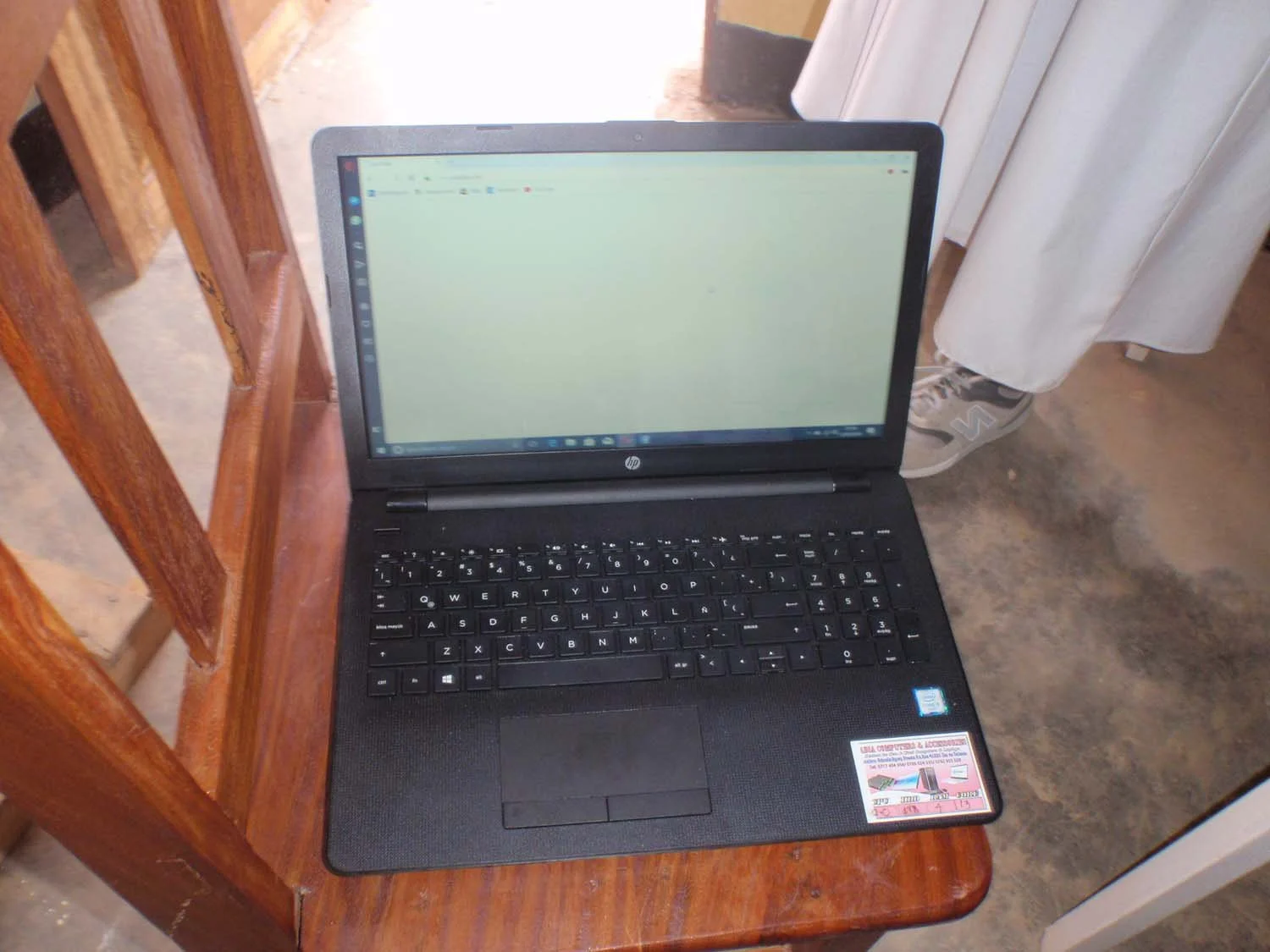
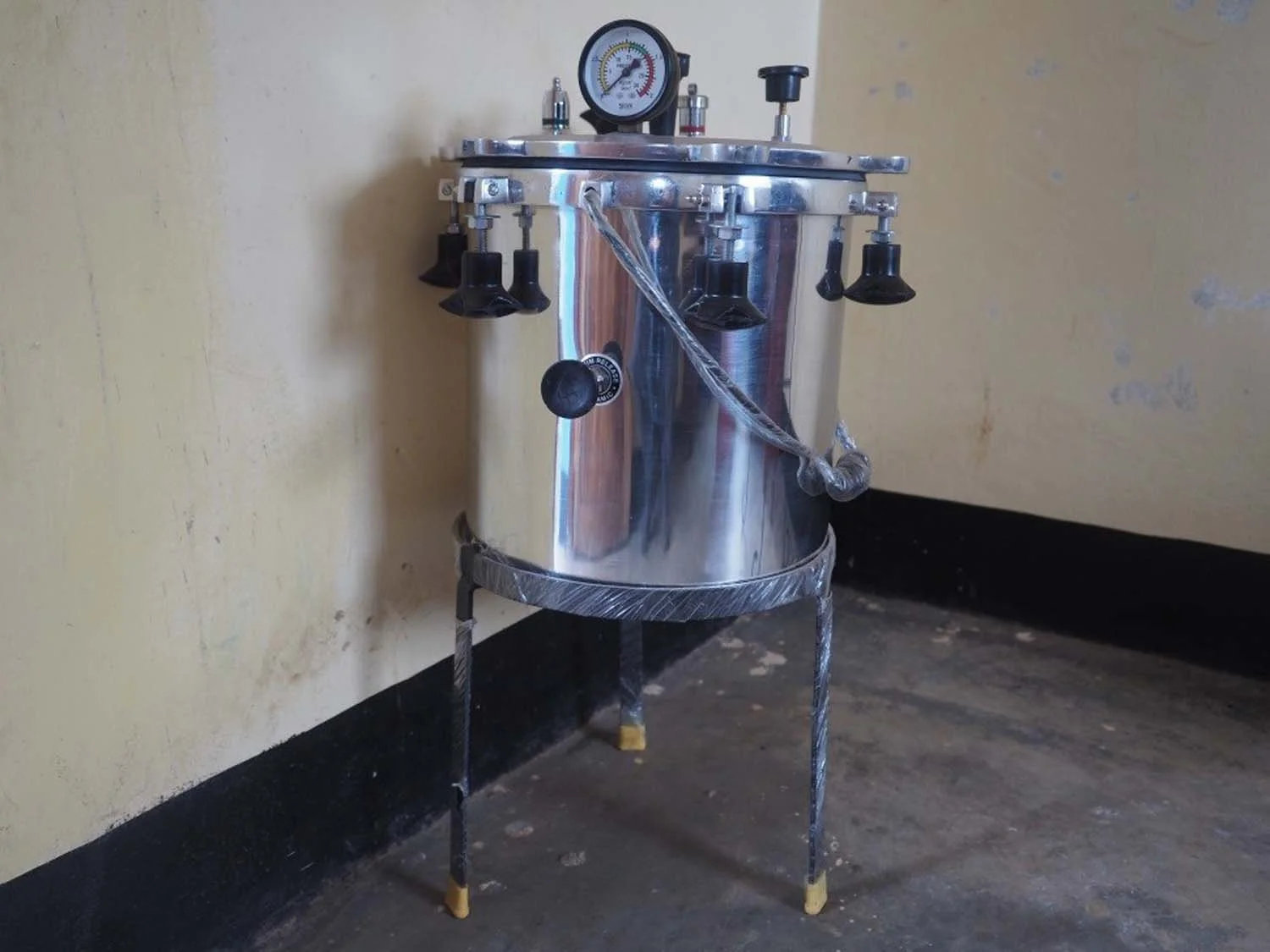
At Dumbeta Dispensary, access to technology saves lives. RVP funds have made possible the purchase of a refrigerator for vaccine storage, an autoclave for sterilizing equipment, a centrifuge for laboratory testing, and dopplers for fetal heart monitoring that allow for the early detection of complications during pregnancy. RVP has also provided computers to help with patient record keeping, medication tracking, and inventory control. Moving away from the need to document everything by hand has freed up valuable staff time for direct patient care.
From solar-powered classrooms to life-saving medical technology, investments in technology are expanding opportunity, saving lives, and helping the people of Dumbeta Ward build a healthier and more prosperous future.