
School Kitchen Projects
Impact Summary
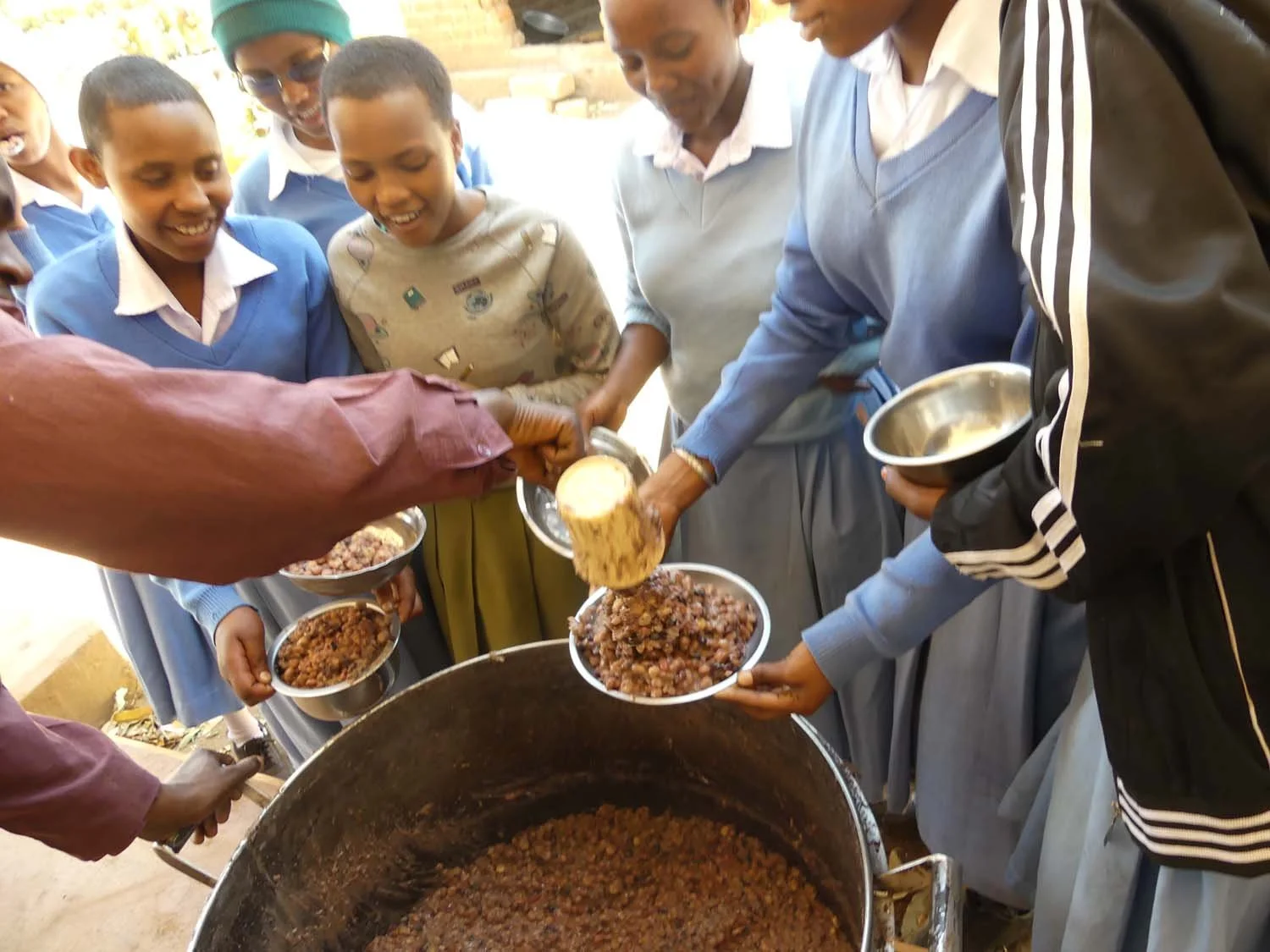
Over one million meals served — Since the first kitchen opened at Gijega Primary School in 2018, RVP-funded kitchens have prepared more than a million hot, nutritious lunches for students in Dumbeta Ward.
1,600+ students reached — Kitchens at Gijega Primary, Dumbeta Secondary, and Dumbeta Primary schools now ensure that students arrive at class fed and ready to learn — many of whom would otherwise go the entire school day without eating.
Purpose-built kitchens — Each RVP kitchen replaces open-fire cooking with fuel-efficient stoves, washable surfaces, food preparation sinks, and secure grain storage.
Hunger removed as a barrier to learning — Research confirms what teachers in Dumbeta Ward see every day: well-fed students attend more regularly, stay in school longer, and perform better academically.
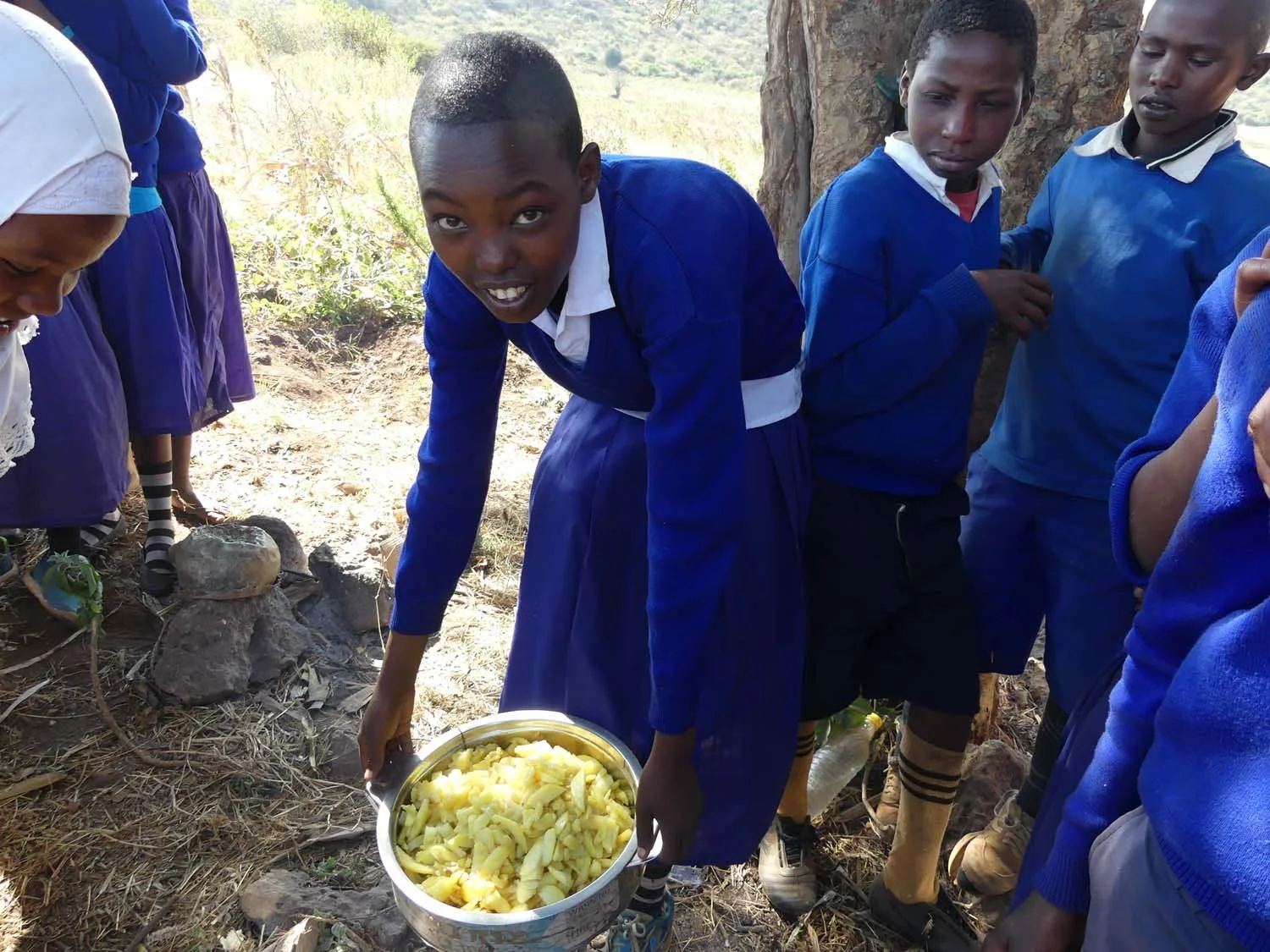
Community-owned and community-run — 100% of the food prepared in the school kitchens is grown and donated by the students’ families. Parents also volunteer as kitchen staff and help to maintain the facility, thus ensuring the lunch program’s long-term sustainability.
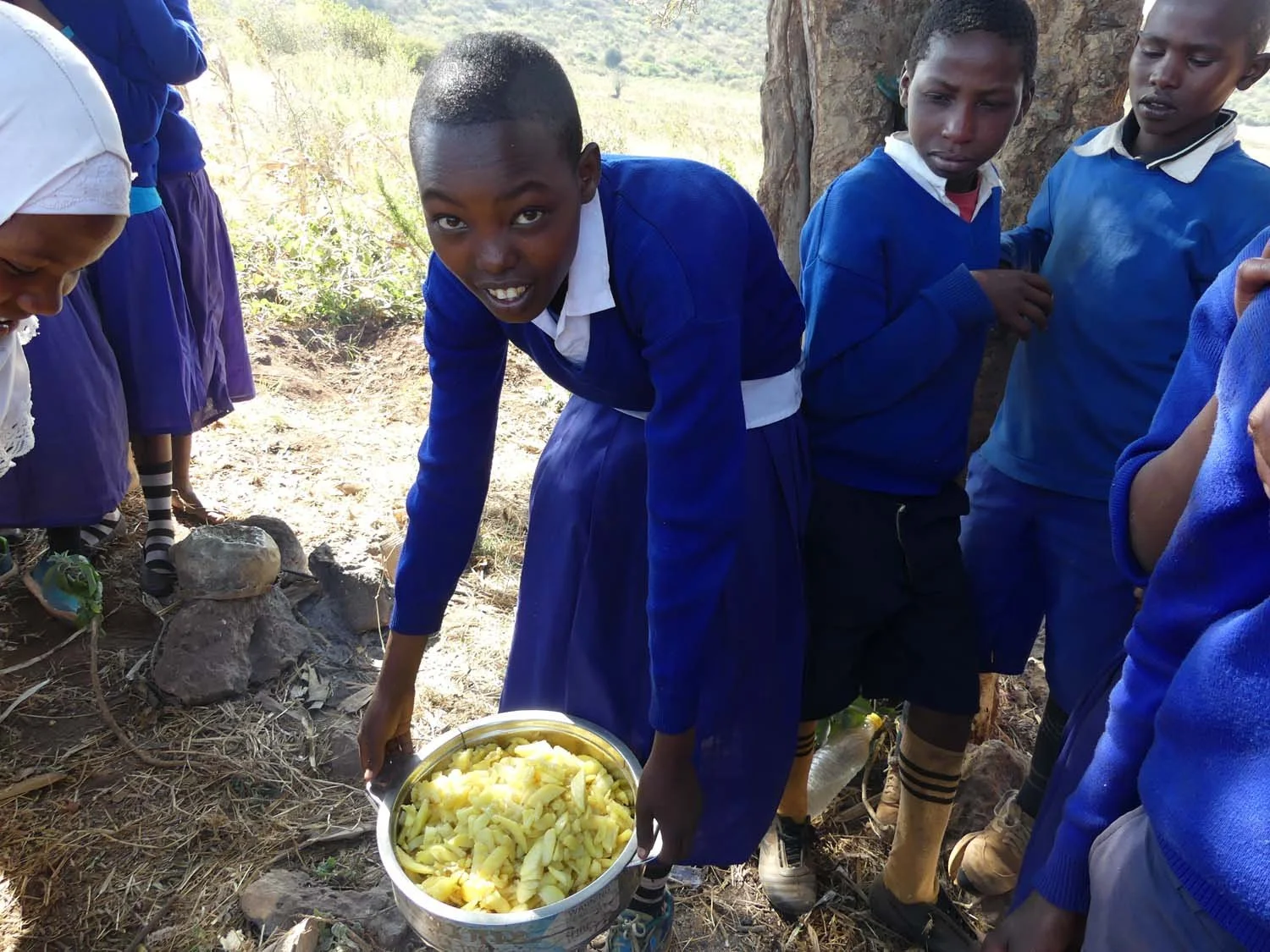
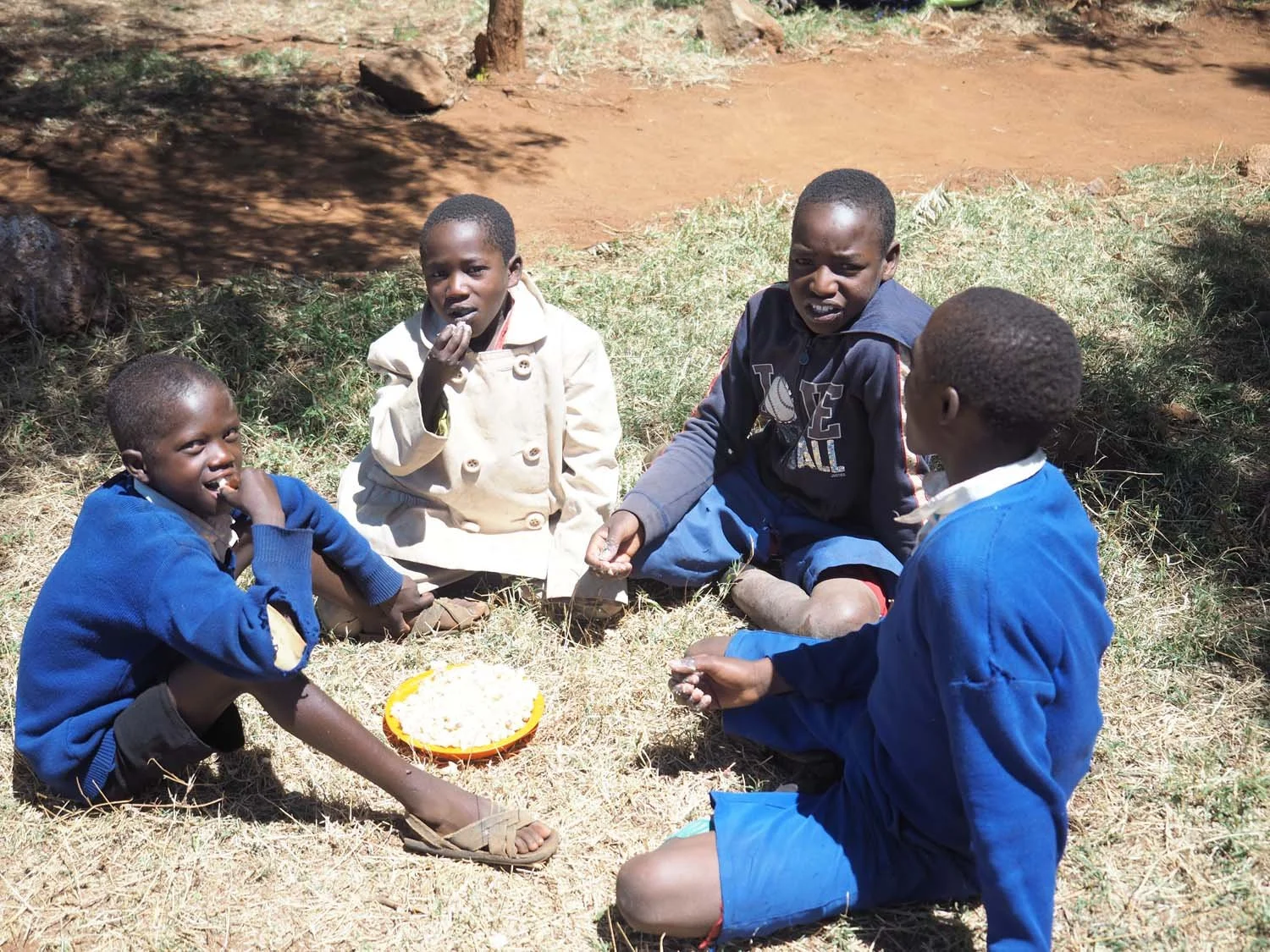
Hunger is the enemy of learning. In Dumbeta Ward, many children grow up in households where food insecurity is a daily reality. In years when the rains are plentiful and arrive on time, families harvest enough food to last through the year. In lean years, however, food is rationed, livestock is sold for cash, and families struggle to feed their children. Many students arrive at school having eaten nothing since the previous evening. When schools do not have a lunch program, students may not eat until they return home.
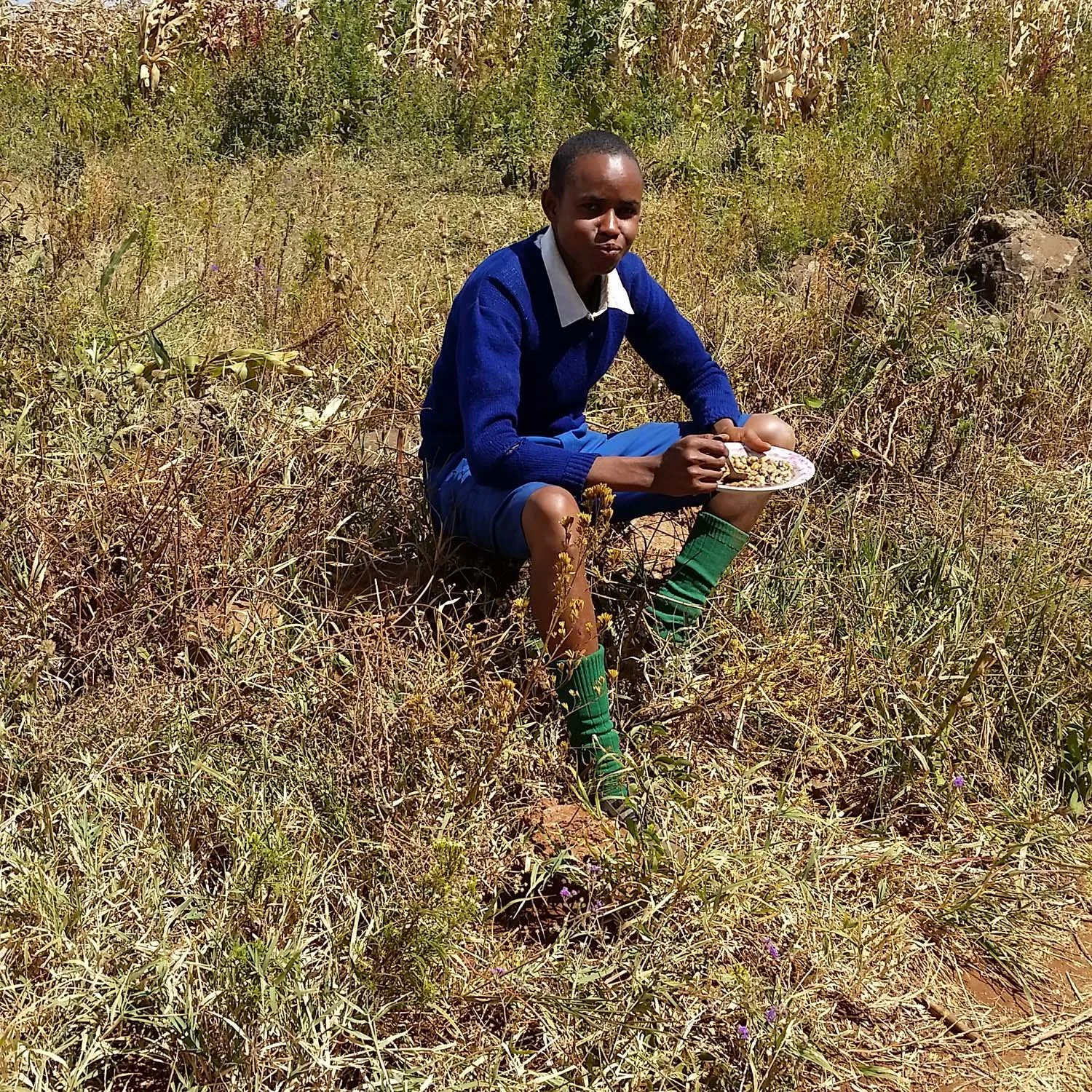
Research shows that school lunch programs reduce hunger, improve academic performance, increase attendance, and lower dropout rates. In partnership with the community, the Rafiki Village Project is working to ensure that all six schools in Dumbeta Ward provide a daily, hot, and nutritious lunch to the Ward’s 2,500 primary and secondary school students.
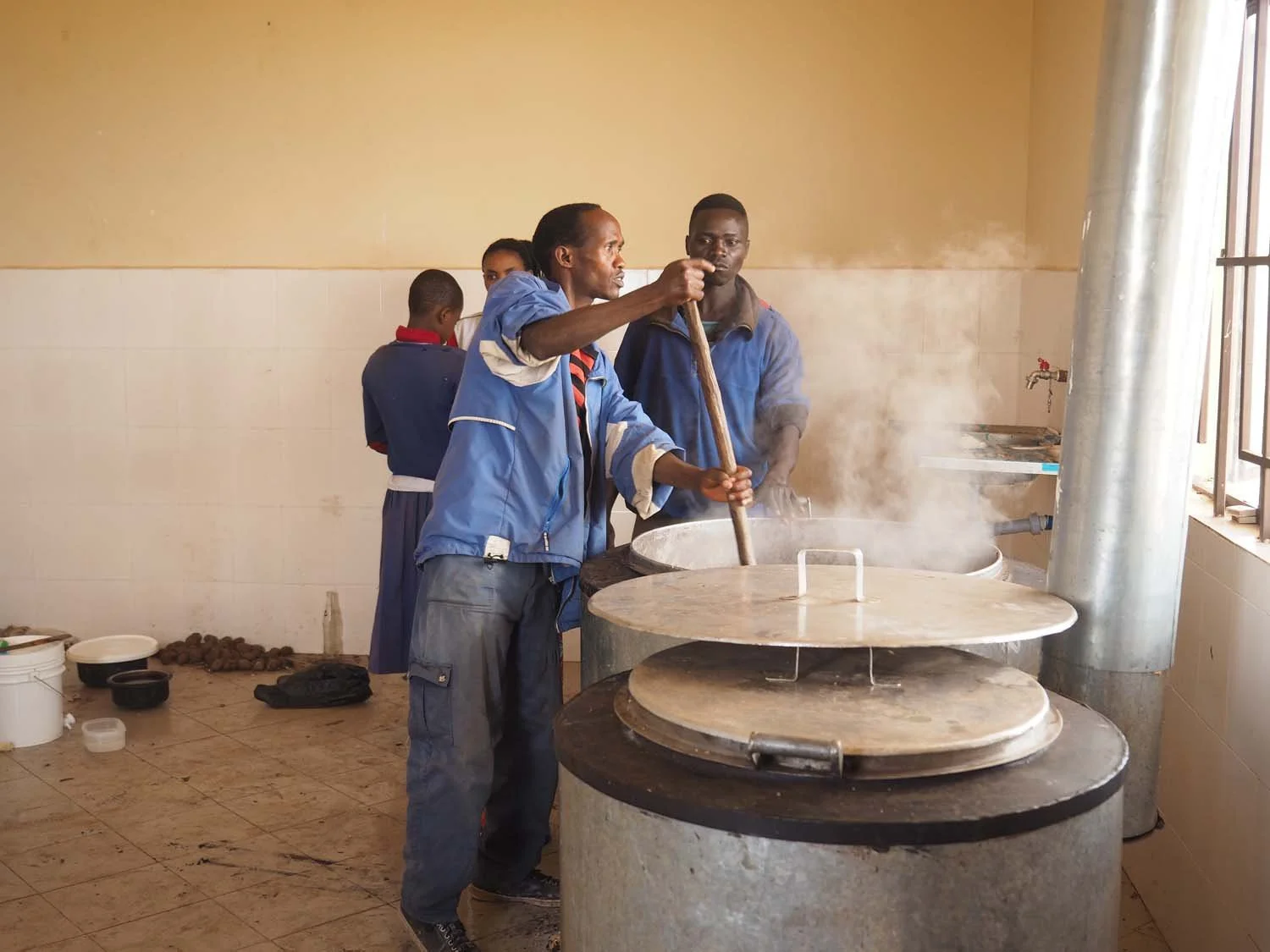
Providing a daily lunch requires sufficient food, a safe place to store the food, a kitchen with the capacity to prepare up to 800 meals at a time, and staff to operate the kitchen, distribute the food, and keep the facility clean and in good working order. Parents, teachers, community leaders, and the Rafiki Village Project have worked together to formalize a plan that ensures these requirements are consistently met. The Rafiki Village Project funds ninety percent of the kitchen construction costs, while the community contributes the remaining ten percent, donates sufficient food from their annual harvest to feed every student, and provides kitchen staff. This shared commitment reflects our collaborative, community-driven approach to improving lives. For families who struggle to put food on their own table, donating food to their child’s school is a genuine sacrifice — and a powerful statement of faith in their children's future.
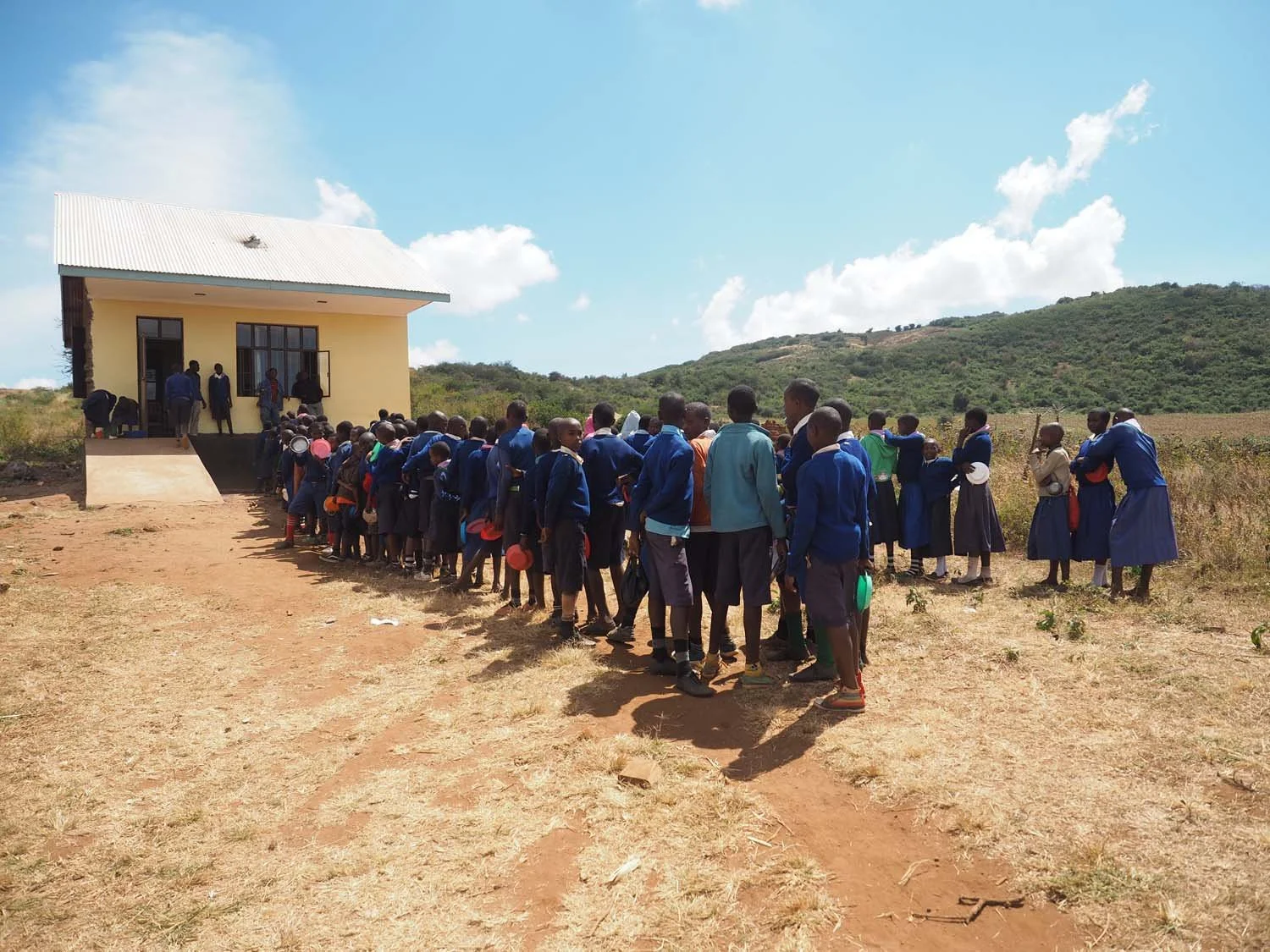
The school kitchens funded by the Rafiki Village Project are freestanding buildings designed for safety, hygiene, and efficiency. Each kitchen includes a large open cooking area with easily washable surfaces, sinks for washing and food preparation, a secure storage room to protect grain from rodents, and fuel-efficient stoves that use substantially less wood than an open fire. Since 2018, when the kitchen at Gijega Primary School was built, more than a million meals have been prepared in school kitchens funded by the Rafiki Village Project. Together, we are working toward a future where hunger no longer stands in the way of Dumbeta Ward’s children reaching their full potential.
Completed School Kitchen Project
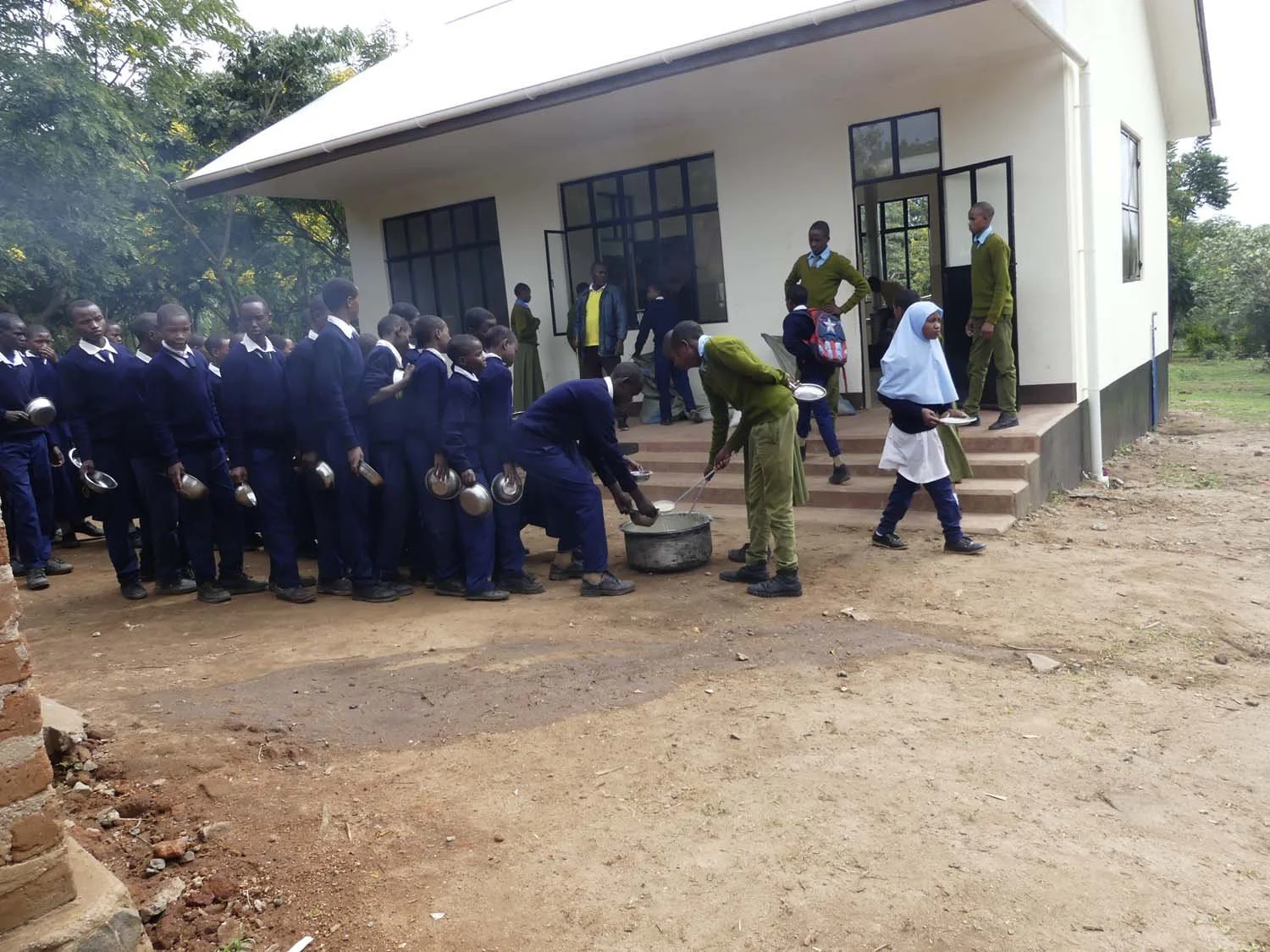
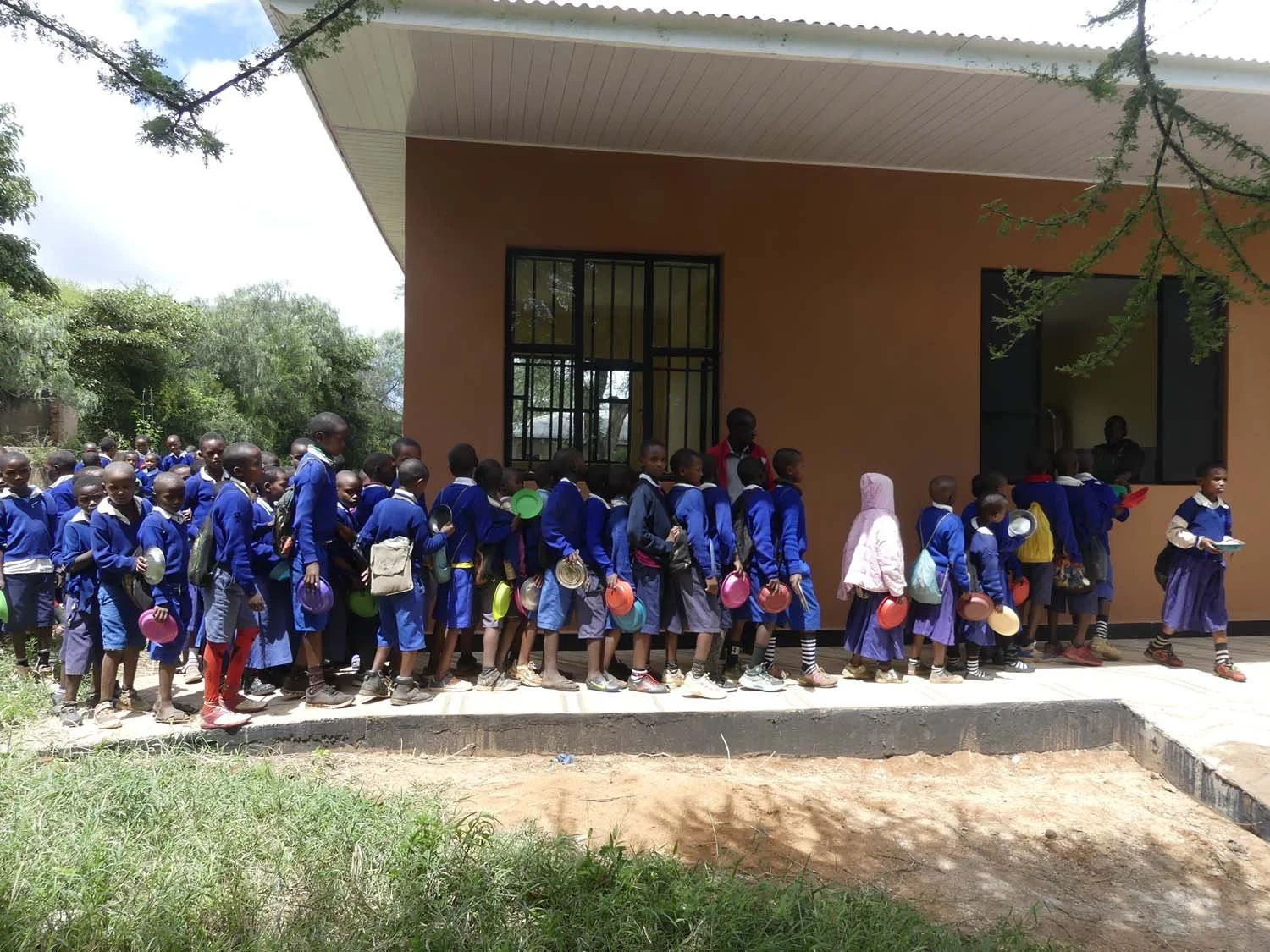
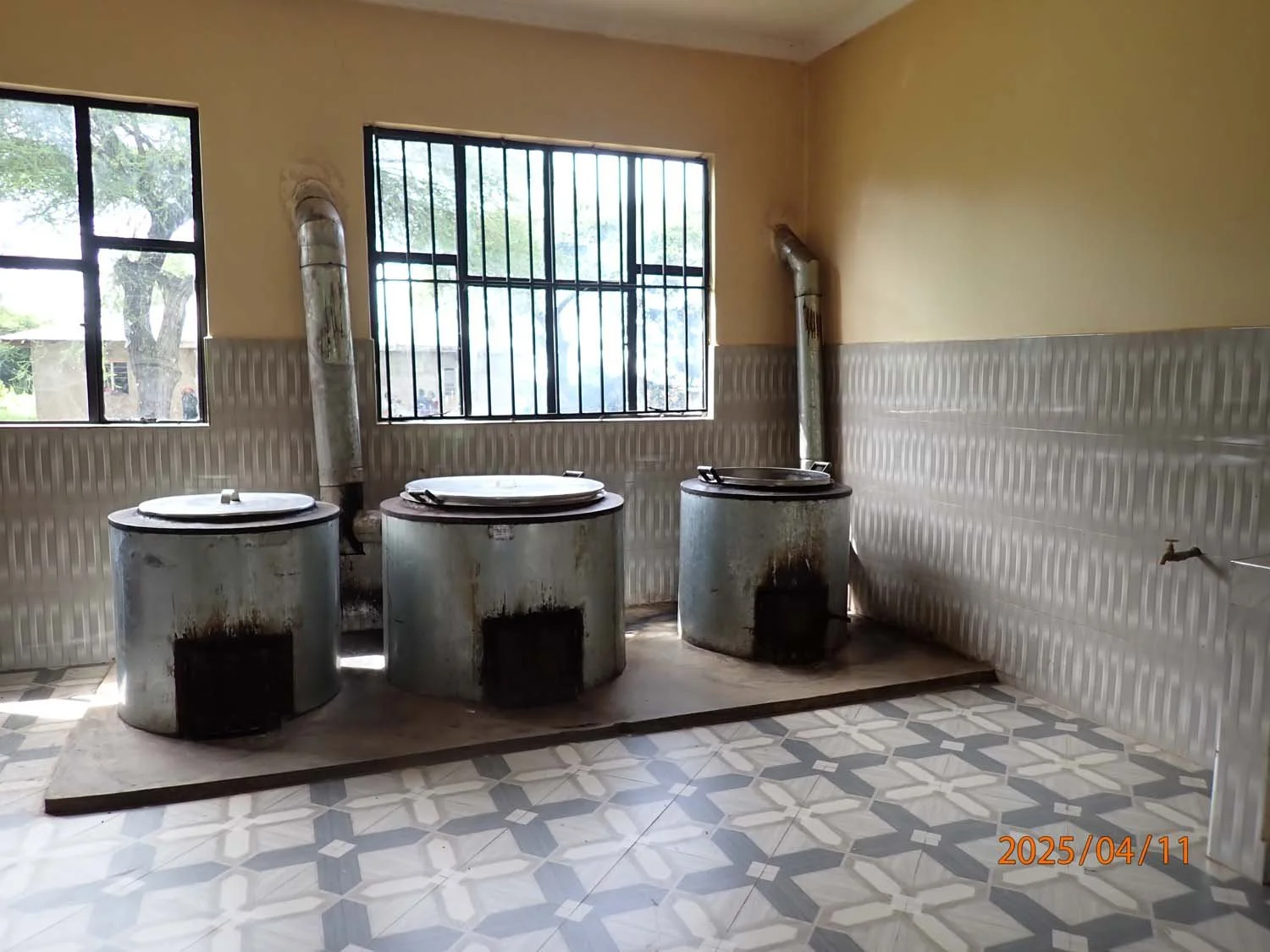
Once Lamay has a kitchen, only Gunila and Gichbord will still need one before we will have accomplished our goal of ensuring that every school has a school kitchen and every student in Dumbeta Ward has a hot lunch every school day.