Dumbeta Dispensary & Health Care
Impact Summary
Increased availability of medications
Addition of essential medical equipment
A dedicated birth center, where 404 babies were safely delivered in 2025
24-hour emergency care made possible by on-site housing for medical staff
Reliable water and sanitation now available inside the clinic
A modern laboratory that improves diagnosis and treatment
A covered waiting area protecting patients from sun and rain
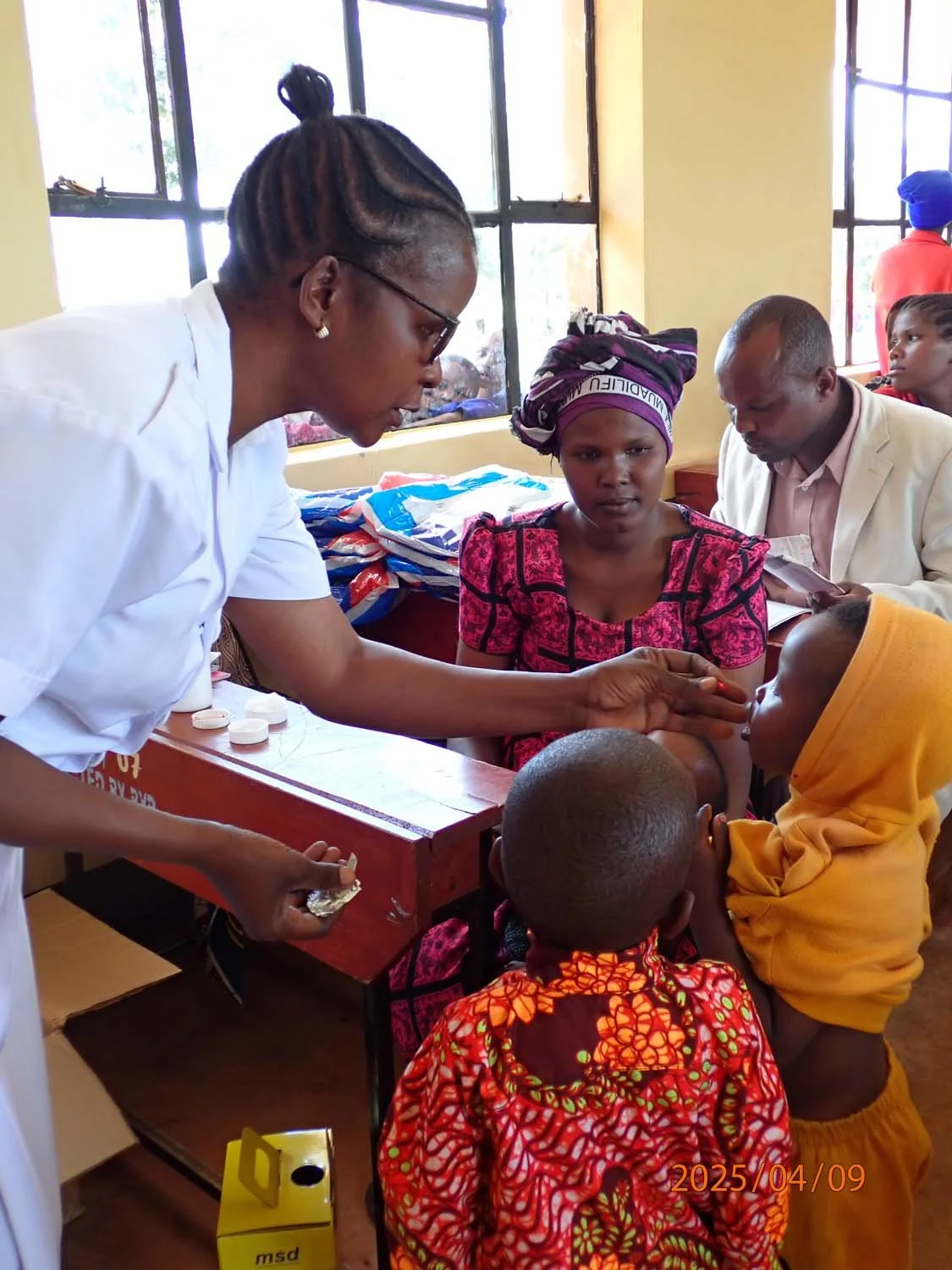
New outreach capacity to expand immunizations and prenatal care
Background and Challenges
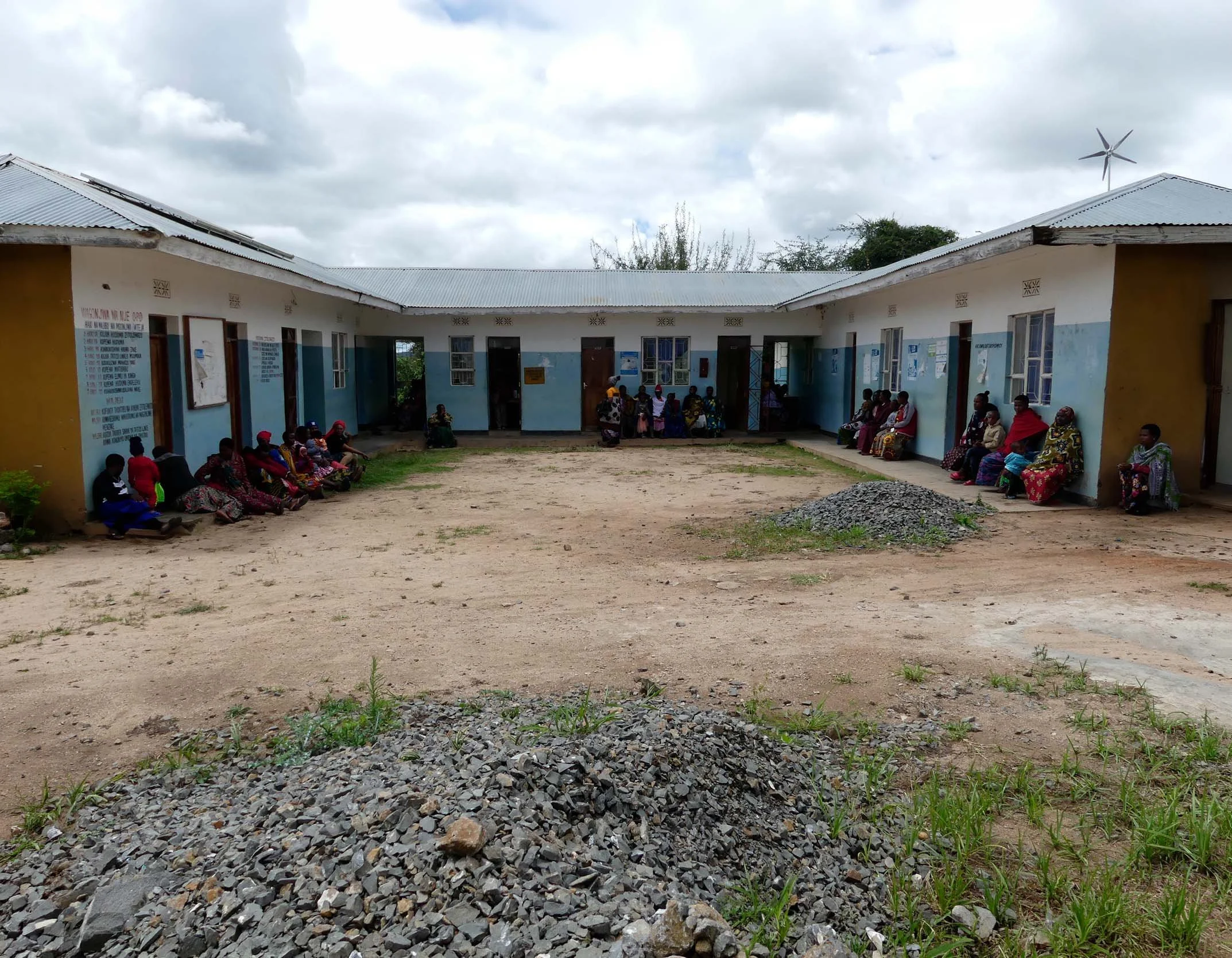
Dumbeta Dispensary is a government-funded community health clinic. It opened in 2008. It is the only health care facility in Dumbeta Ward. It provides well-childcare, prenatal care, obstetrical services, primary care, and urgent care to the ward’s 9,000+ residents. The staff includes a clinical officer, head nurse, assistant nurse, and a laboratory technician.
Together, these dedicated health professionals confront numerous challenges, including infectious diseases like dysentery, malaria, HIV, tuberculosis, typhoid, and pneumonia; early marriage and teen pregnancies; low birth weight newborns; insufficient prenatal care; low immunization rates; chronic diseases such as COPD; and alcoholism.
Like many rural health clinics in Tanzania and throughout the developing world, Dumbeta Dispensary is underfunded and understaffed. When the Rafiki Village Project first arrived in 2016, the dispensary was frequently closed, the medication cupboard was almost empty, there was no running water inside the clinic, infants were being born in exam rooms, patients were waiting for hours in the hot sun to be seen, there was no dedicated laboratory space, and all charting and records were done by hand.
The Rafiki Village Project has partnered with the local community to address these challenges.
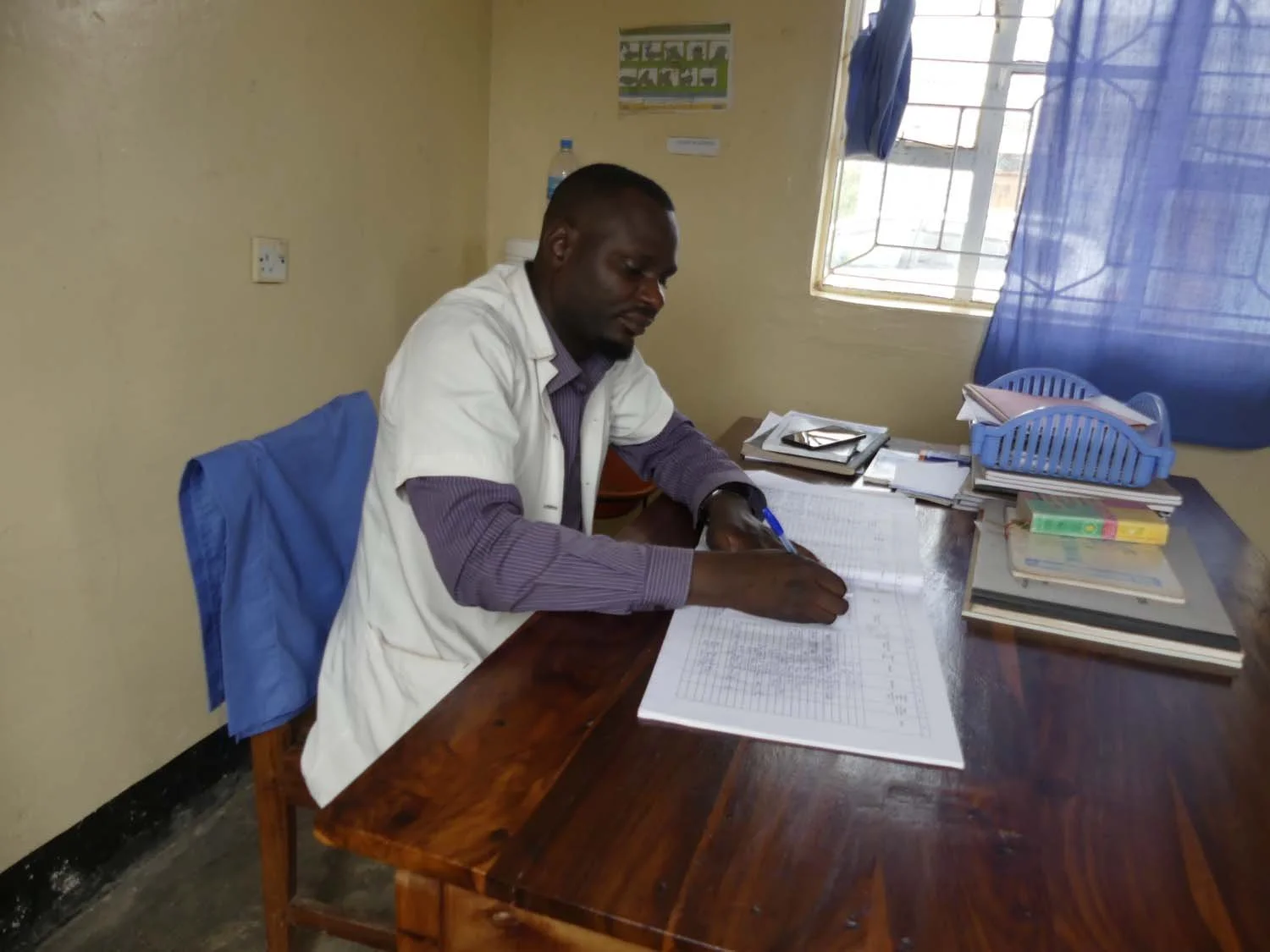
Medical Clinical Officer: Dr. Mesh Mesayi
Dr. Mesayi graduated from college in Dodoma, Tanzania in 2013 with a degree in Clinical Medicine. In 2014, he was appointed to the staff of the Hanang District Hospital in Katesh and was in charge at the Simbai Health Center from 2015 to 2020. He transferred to Dumbeta Dispensary in 2020.
Nurse Clinical Officer: Eunice George
Eunice George has served as a Nurse Clinical Officer at Dumbeta Dispensary since 2012. A graduate of the Kolando School of Nursing, her training included midwifery and labor and delivery — skills that are central to her daily work. Originally from the Kahama District of the Shinyanga Region, she brings both professional expertise and deep personal commitment to the Dumbeta Ward community. On any given day, Eunice sees dozens of patients, delivers babies, conducts well child and prenatal checks, and travels by motorcycle to outlying sub-villages to vaccinate children and provide health education. She is a tireless advocate for maternal and child health, and her dedication to the people of Dumbeta Ward has made her an indispensable part of the dispensary team.
Completed Projects
Ongoing Since 2017
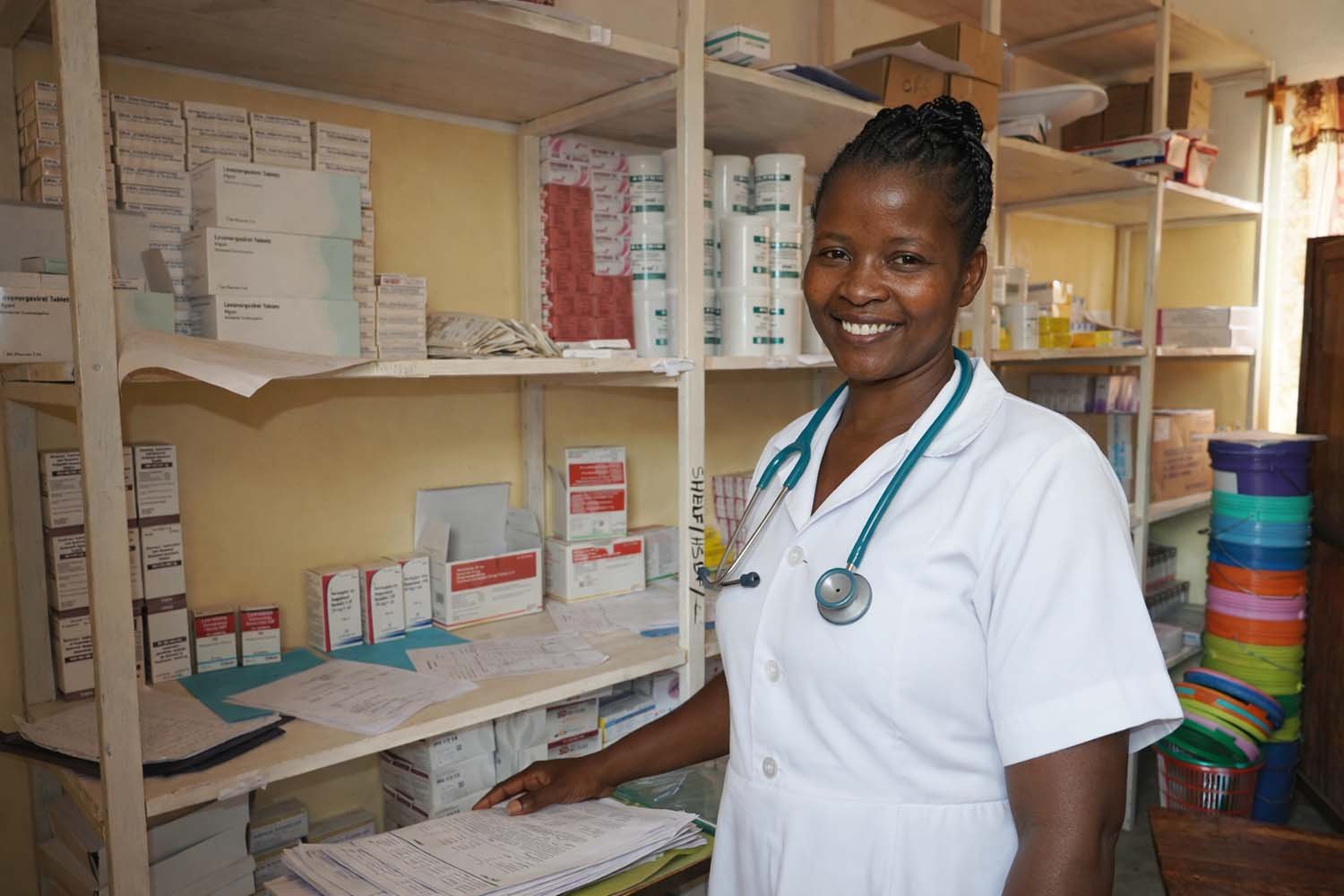
Dumbeta Dispensary receives a supply of basic medications from the central government. However, the quantity and range are insufficient to meet patient needs. The dispensary also receives funds from the government for supplies and for the day-to-day operation of the facility. These are also inadequate. Since 2017, a quarterly stipend from the Rafiki Village Project has supplemented the funds received from the government. The staff decides how to use the stipend. It has enabled the dispensary to purchase medications, expanding the range and scope of available treatments, as well as medical equipment and supplies that would not otherwise be affordable. This has had a transformative effect on the quality of care provided by Dumbeta Dispensary.
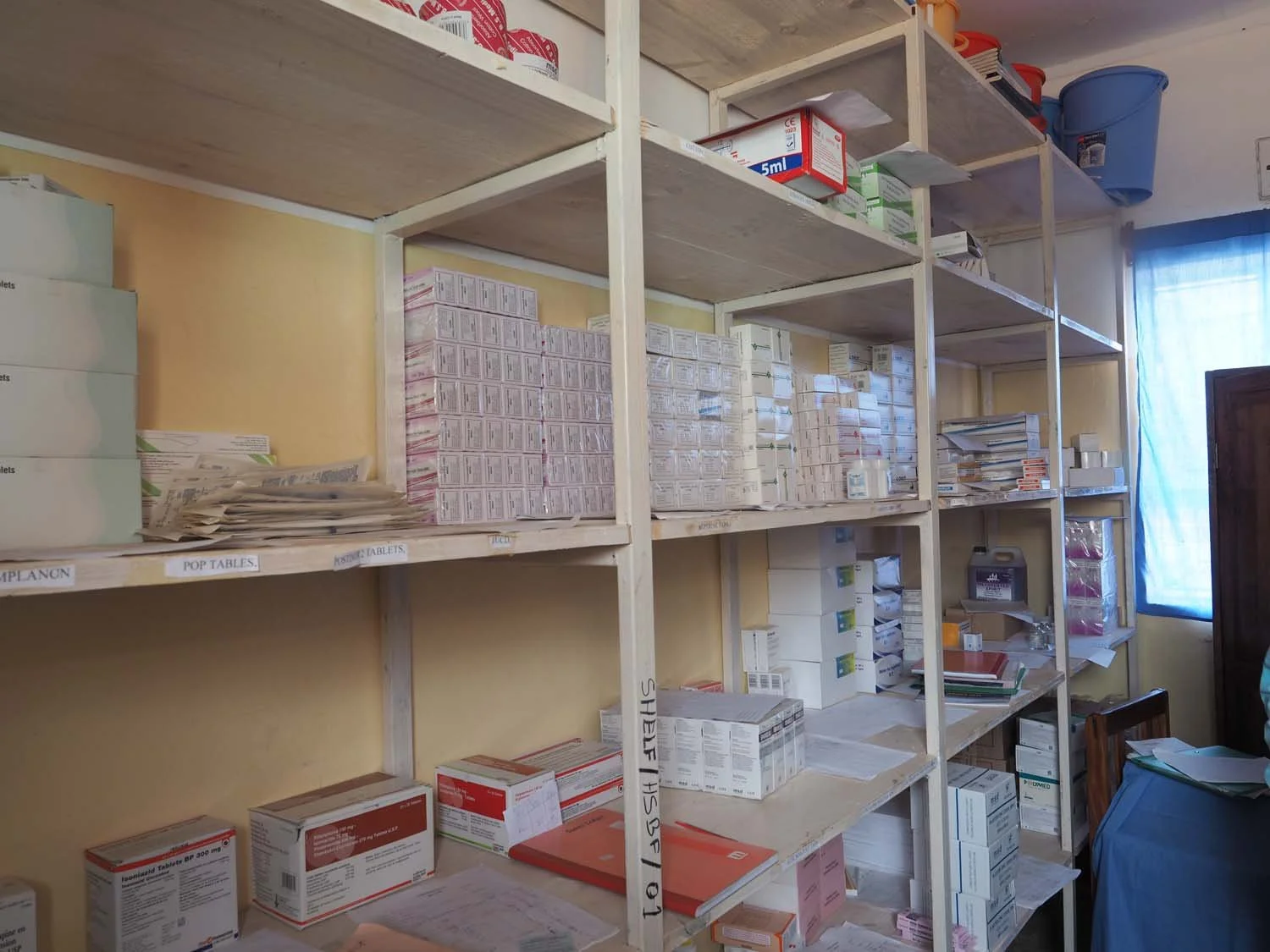
Medications purchased with stipend
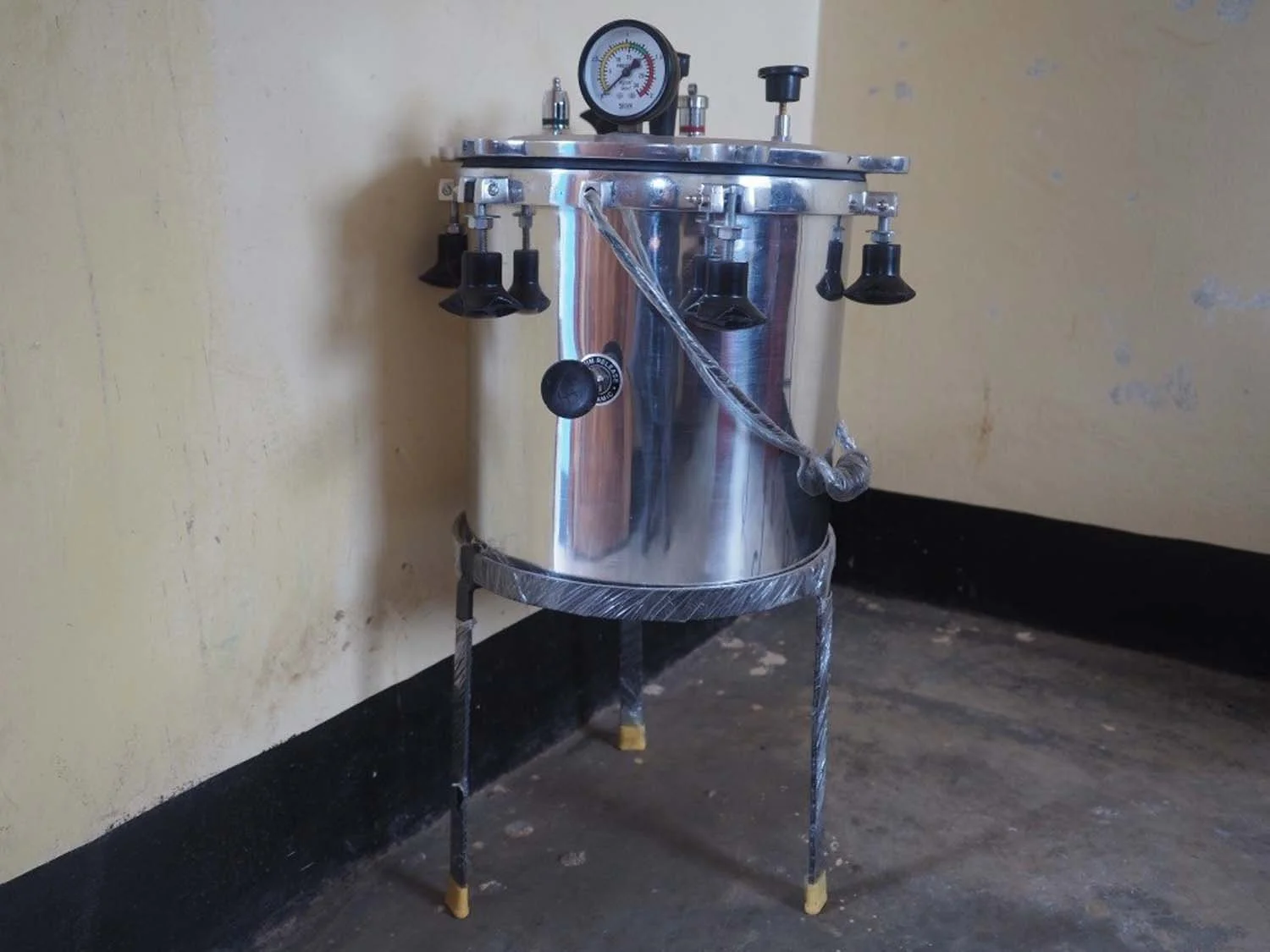
Autoclave purchased with stipend
2016: Water Access Project
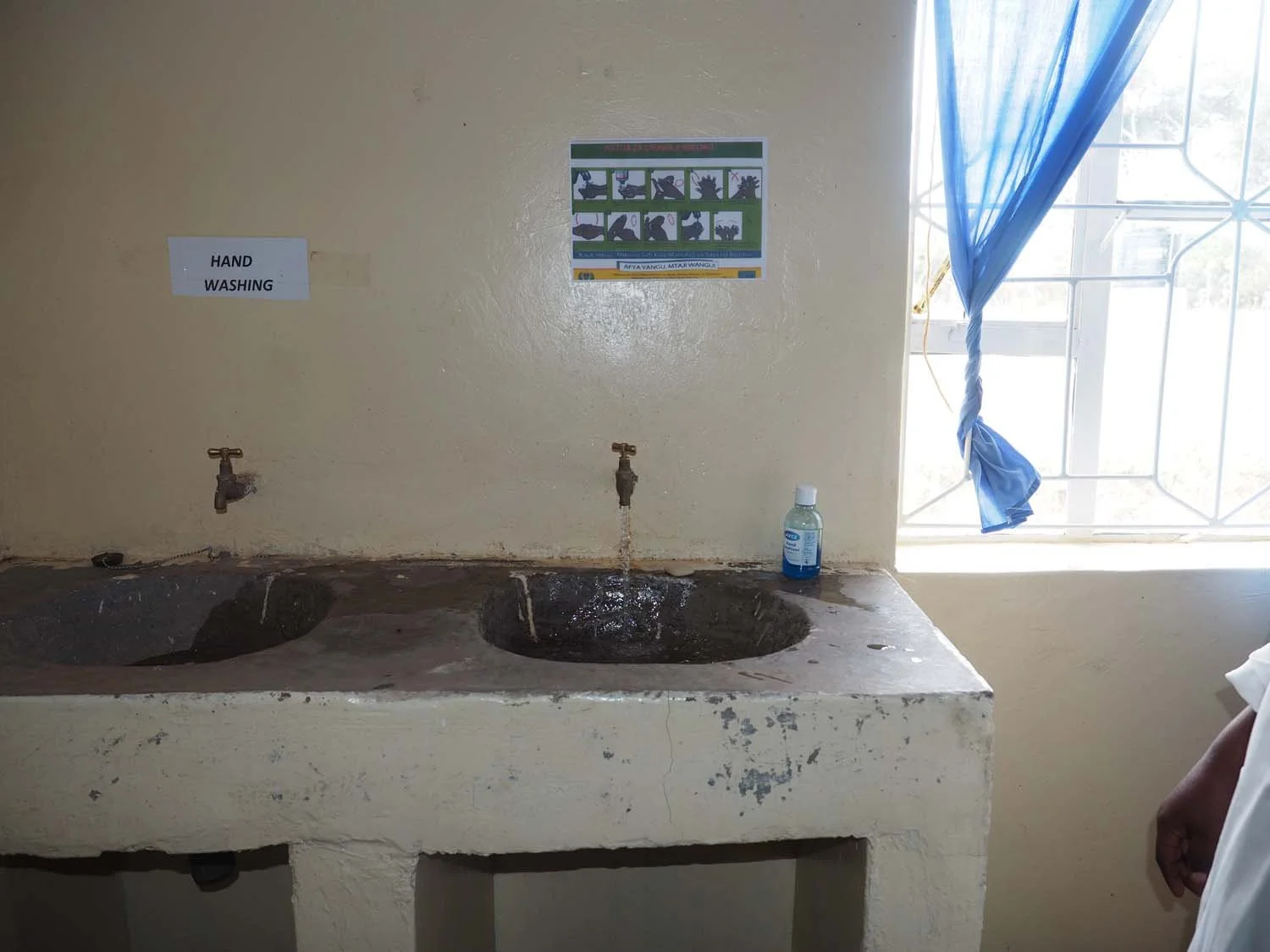
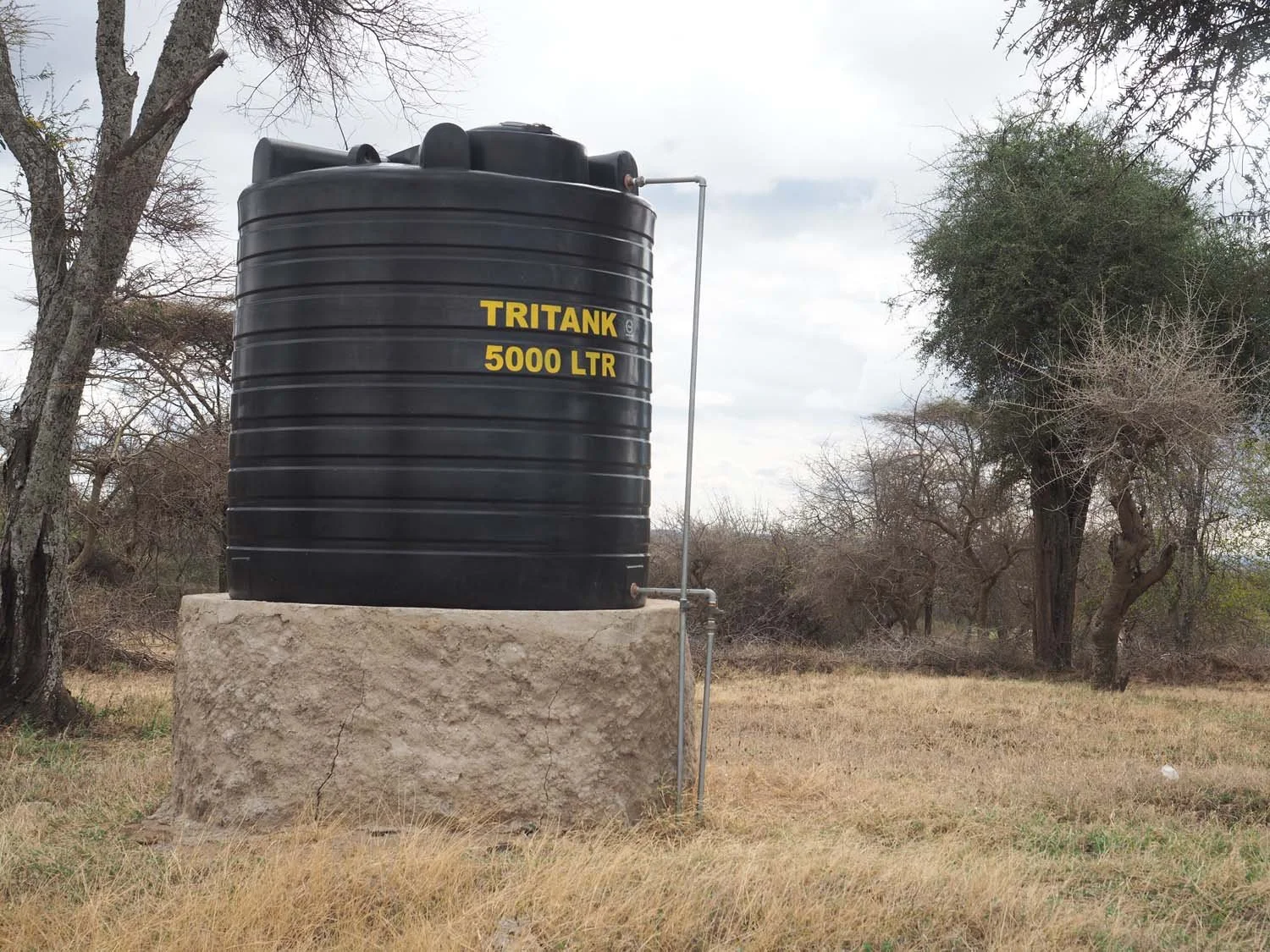
Water is essential for the operation of any medical facility. It is needed for many things including hand-washing, cleaning wounds, and keeping the facility clean. In 2016, Dumbeta Dispensary was receiving water from a community distribution point shared with nearby families. The distribution point was approximately 100 yards from the dispensary. Water was typically available only in the morning—and not necessarily every day. Medical staff had to wait in line to collect water in buckets and then had to carry it back to the dispensary. They were forced to ration the supply so that it would last until water was available again.
The first project that the Rafiki Village Project completed at the dispensary was to bring water inside and to install holding tanks so that the dispensary always had an adequate supply of water. Not having to collect water freed staff to focus on direct patient care. It improved sanitation at the clinic, decreasing the potential spread of pathogens, and improving patient outcomes.
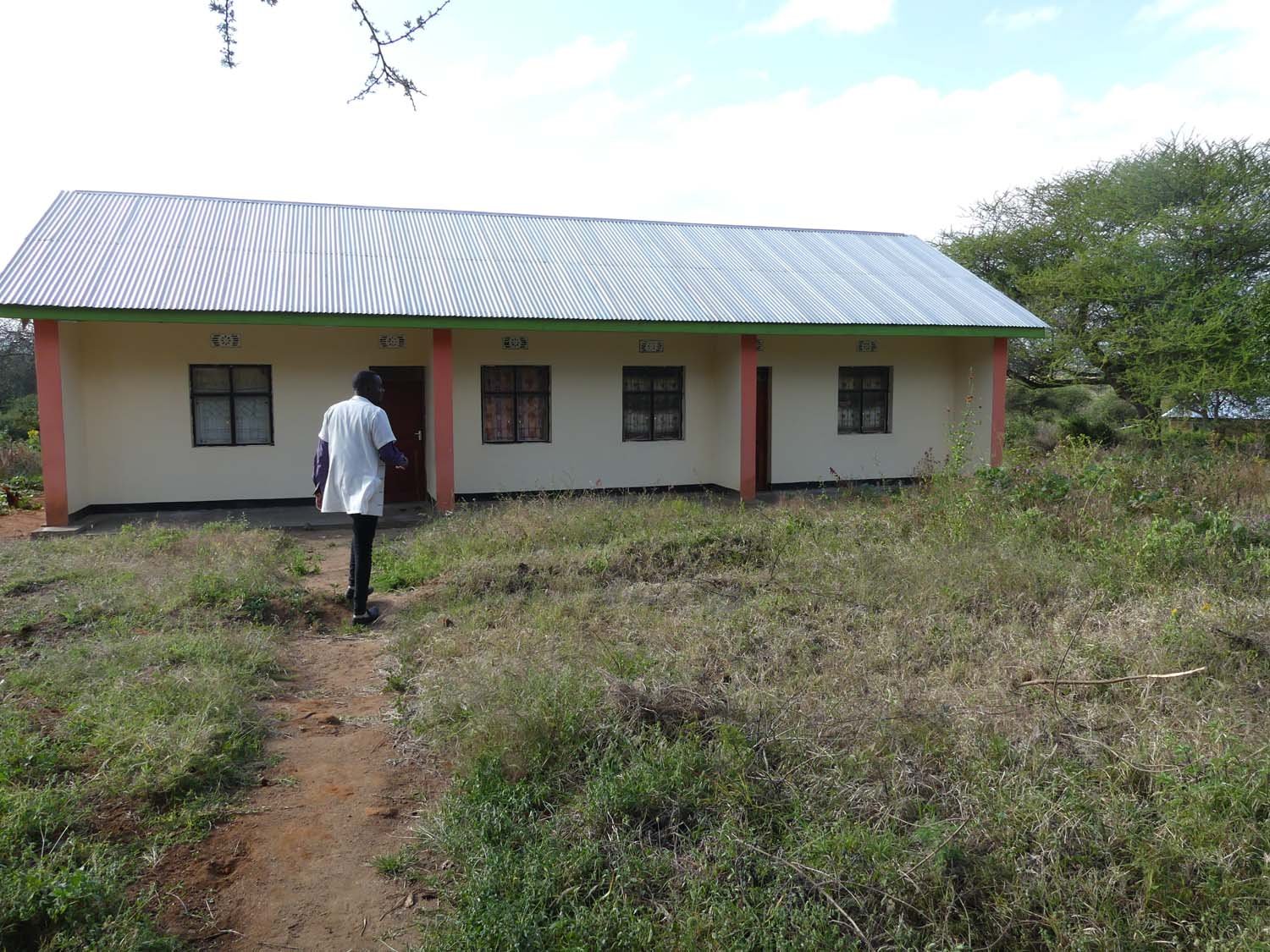
2018: Medical Staff Housing
Prior to 2018, there was no on-site housing for medical staff at Dumbeta Dispensary. When staff members were not present, the dispensary doors were locked and patients requiring urgent care had to travel to the District Hospital in Katesh – or go without care. The dispensary was closed at night, on Sundays, holidays, and on days when the roads were impassable.
In 2018, the RVP funded the completion of a duplex that now provides housing for the nurse, and the medical officer when he is on call. As a result, the dispensary is now open at all times for emergencies and for women in labor. Community members with minor injuries now can have broken bones cast or wounds sutured, 24 hours a day, seven days a week. Women can deliver their babies at the dispensary rather than at home, thereby decreasing the potential for adverse pregnancy outcomes.
Medical Staff Housing
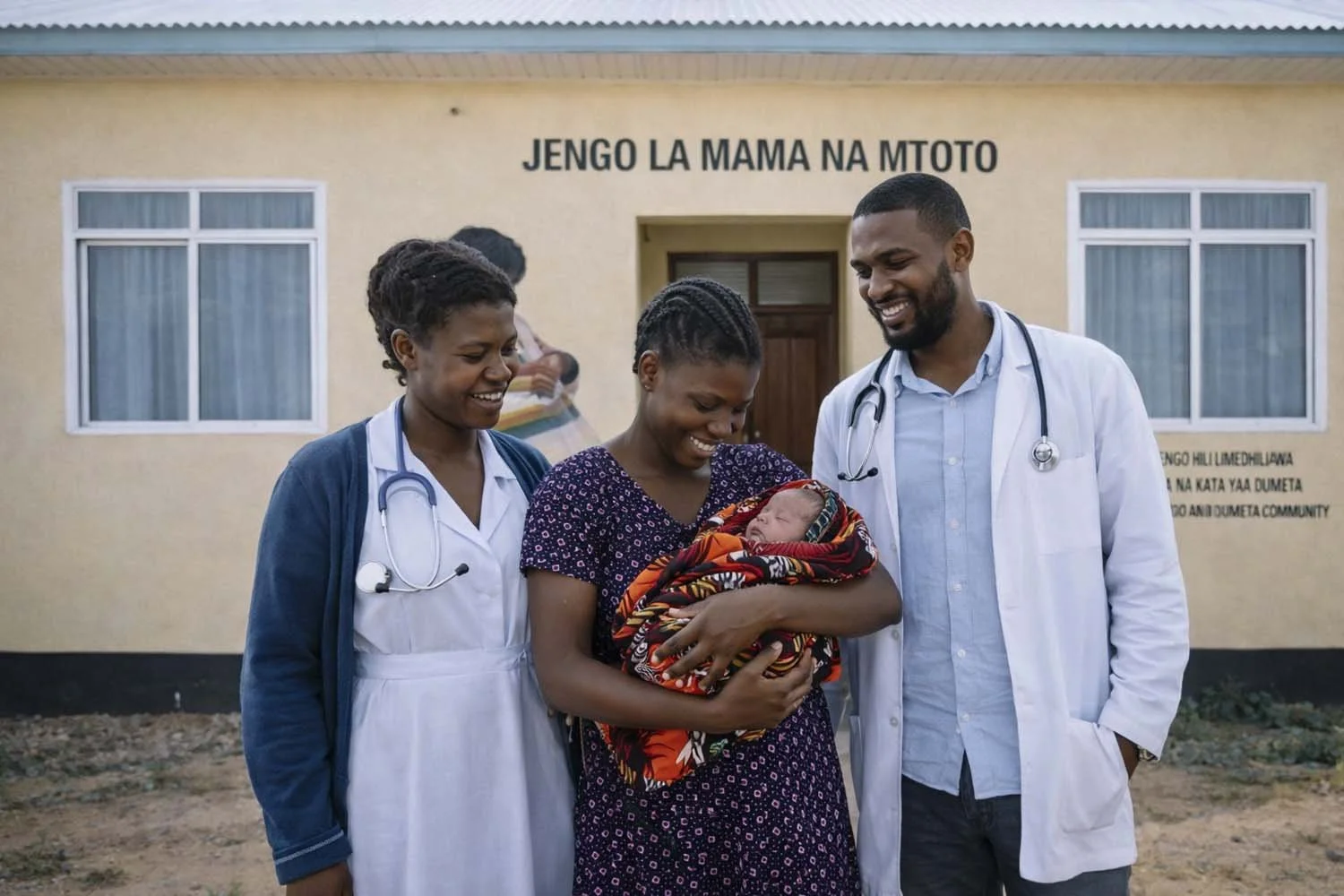
2023: Birth Center
Traditionally, infants in Dumbeta Ward were born at home, attended by lay midwives. Running water was unavailable, conditions were unhygienic, and emergency services were, unavailable. The Tanzanian government and the World Health Organization have strongly encouraged facility-based deliveries attended by skilled health care providers. Neonatal mortality rates in rural Tanzania have fallen sharply in recent years as more births occur in medical facilities.
When Dumbeta Dispensary opened in 2008 women began giving birth in its two exam rooms. The numbers of infants being born at the facility increased significantly after the Rafiki Village Project completed housing for the medical staff in 2018, making 24/7 care possible. 372 infants were born at Dumbeta Dispensary in 2021.
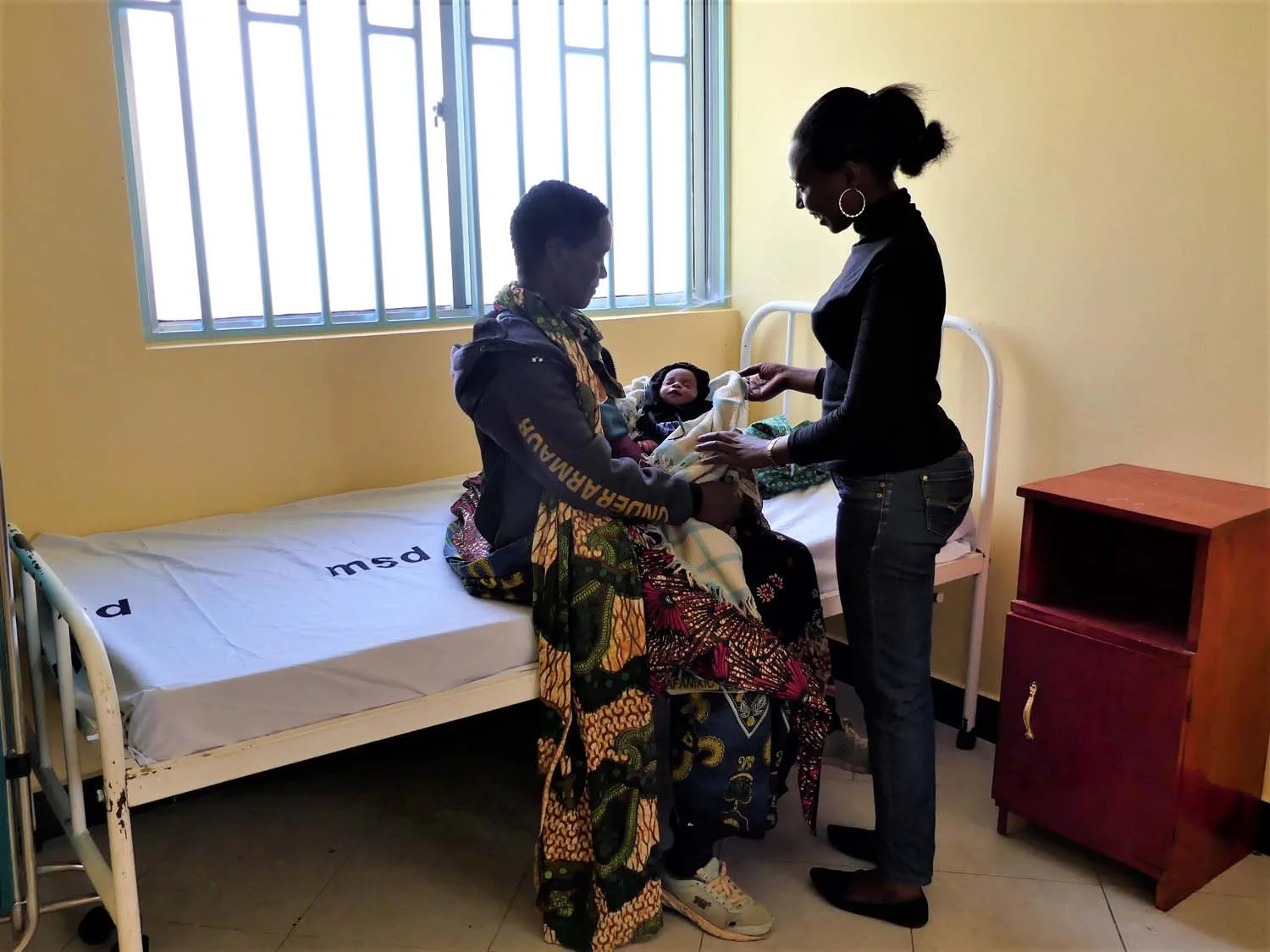
While the dispensary provided a safer and more sanitary environment than home births, conditions remained far from ideal. Laboring women often shared exam rooms, sometimes delivering babies while patients received routine medical care in the same room. Due to a lack of beds and space, mothers and newborns were routinely sent home within one or two hours of delivery—well short of the World Health Organization’s recommendation that they be observed for at least 24 hours after birth.Overnight observation in a medical facility has been shown to reduce postpartum and neonatal complications and mortality.
Community members, dispensary staff, and the District Medical Officer consistently voiced the need for a dedicated maternity ward. At the March 2022 community meeting, construction of a maternity ward was identified as a top priority. After the community raised 10% of the required funds—and generous donors contributed the remainder—the birth center became a reality.
The new stand-alone building, located adjacent to the dispensary, includes:
A dedicated labor and delivery room
A postpartum observation room
A nurse’s station
An indoor bathroom reserved exclusively for laboring mothers
The first infant was born at the Dumbeta Ward Birth Center in November 2023. In 2025, 404 infants were born at the birth center. Many women are traveling long distances, including some from outside Dumbeta Ward to give birth at Dumbeta Dispensary because the facility is among the best in the district.
2025: Covered Waiting Area
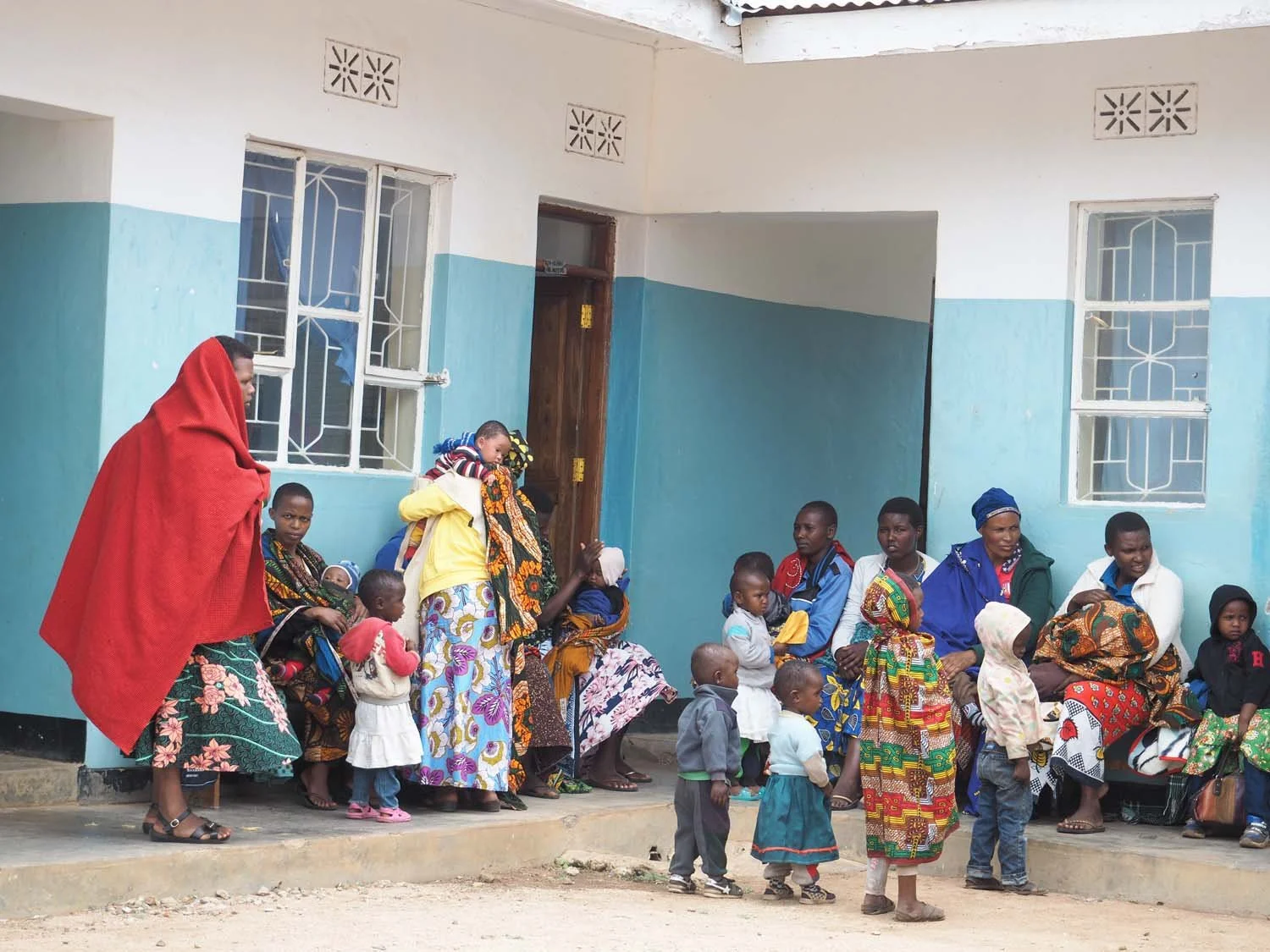
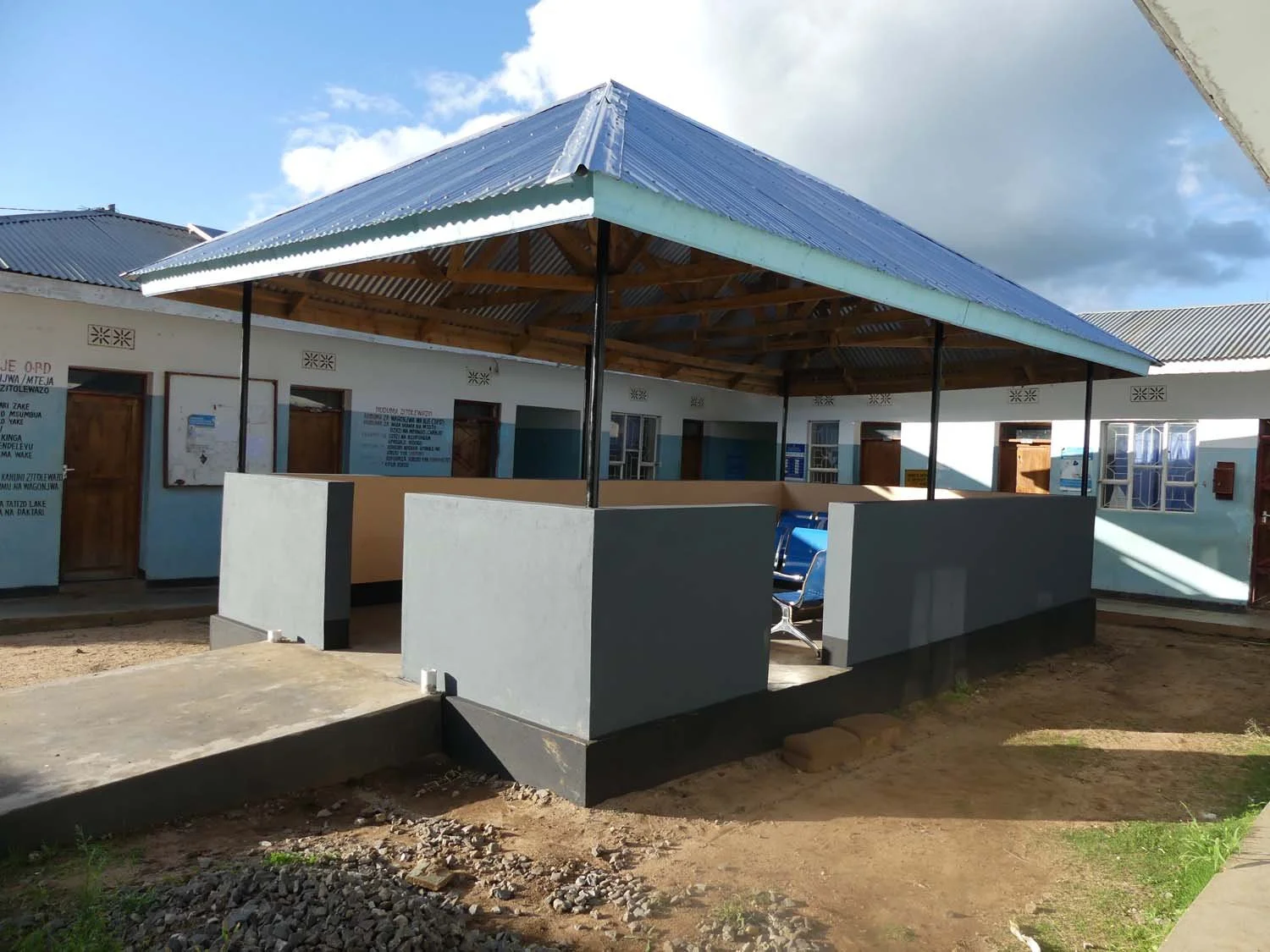
Until 2025, Dumbeta Dispensary did not have a sheltered waiting area. Patients sat on wooden benches in the courtyard while waiting to be seen. When the clinic was busy, families often waited for hours. Ill patients were exposed to the equatorial sun and, during the rainy season, torrential downpours.
At the request of the community and dispensary staff, the RVP helped fund construction of a simple covered structure with seating that protects patients from the elements.
Before
After
2025: Laboratory Renovation
Standards set by the Tanzanian Ministry of Health require strict physical separation between patient care areas and the areas where laboratory tests are conducted. Furthermore, all laboratory surfaces, including tables, walls, and floors, must be easily washable and impervious to water. Laboratories must also have running water, a microscope, a centrifuge, a refrigerator, a freezer, and a scale. These standards help ensure accurate test results by minimizing contamination. Accurate laboratory results improve patient outcomes by reducing the risk of misdiagnosis and inappropriate treatment.
In 2025, dispensary staff requested funding to remodel the clinic and create a dedicated laboratory space that complies with national standards. Stipend funds have been used to purchase the necessary equipment to bring the laboratory into compliance with national standards.
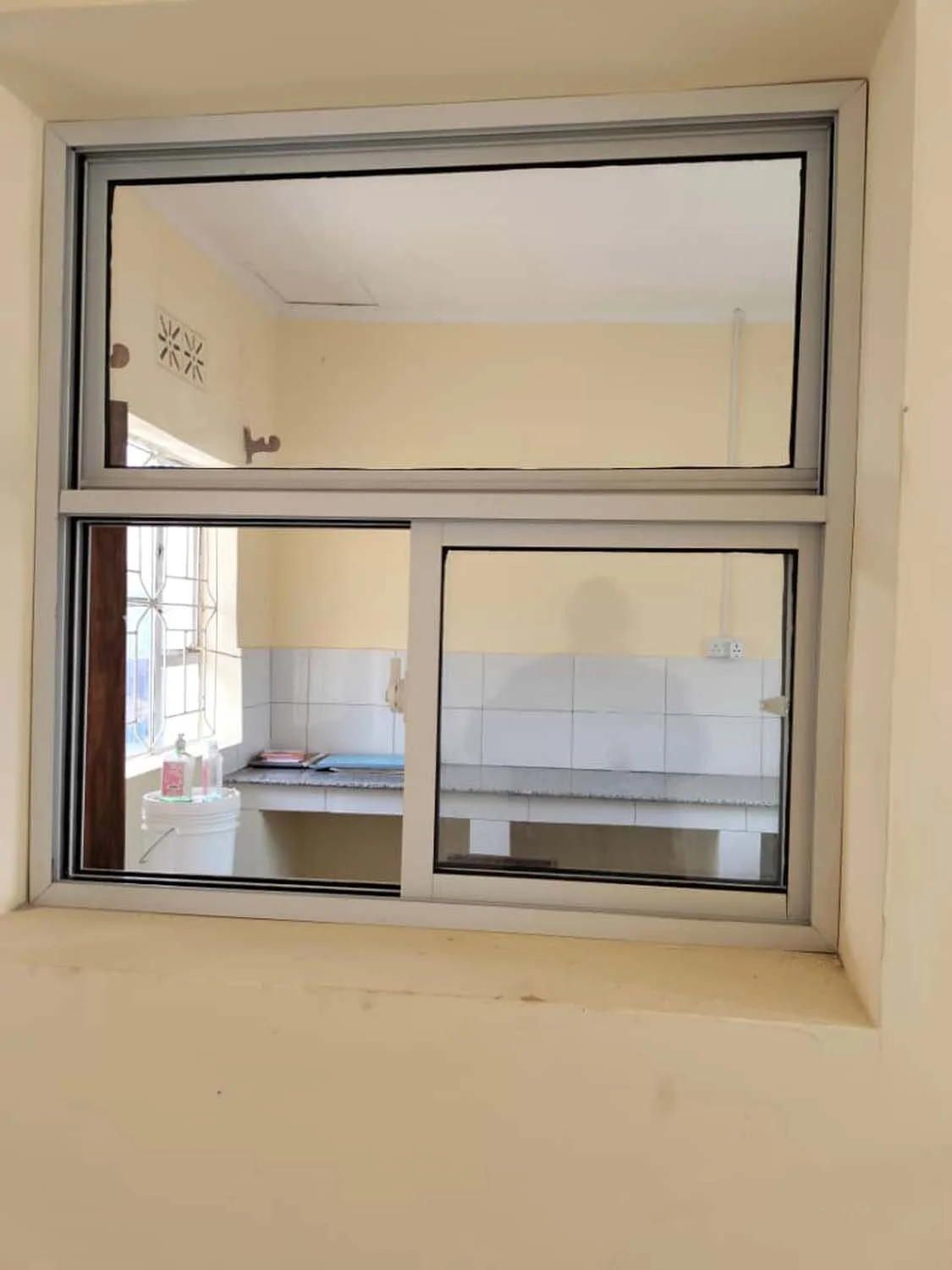
New dedicated laboratory at Dumbeta Dispensary
2026: Community Outreach Nurse
The staff at Dumbeta Dispensary do an amazing job managing an ever-increasing patient volume. They work long hours with few days off. Despite assurances from the government that help is on the way, no additional staff have been hired in many years.
In 2025, RVP received a request to fund the hiring of a “volunteer” nurse. This person would be a nursing school graduate who was waiting for a first job placement. This nurse would assist Eunice George, the Nurse Clinical Officer, and allow for the expansion of community outreach services such as school-based immunization clinics and in-home prenatal care.
Funding this position will help ease the burden on existing staff and improve overall patient care throughout Dumbeta Ward.