
Schools and Education
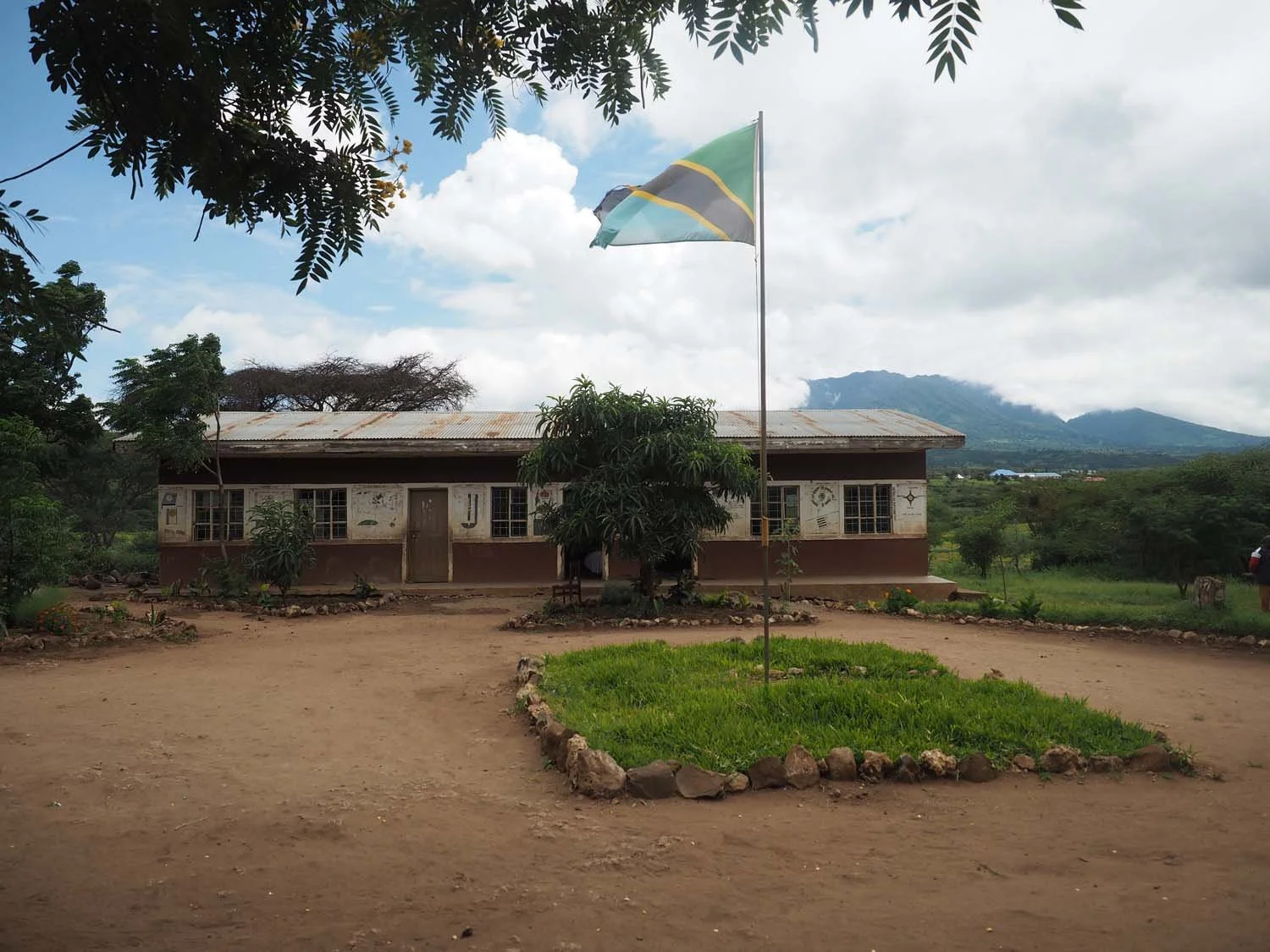
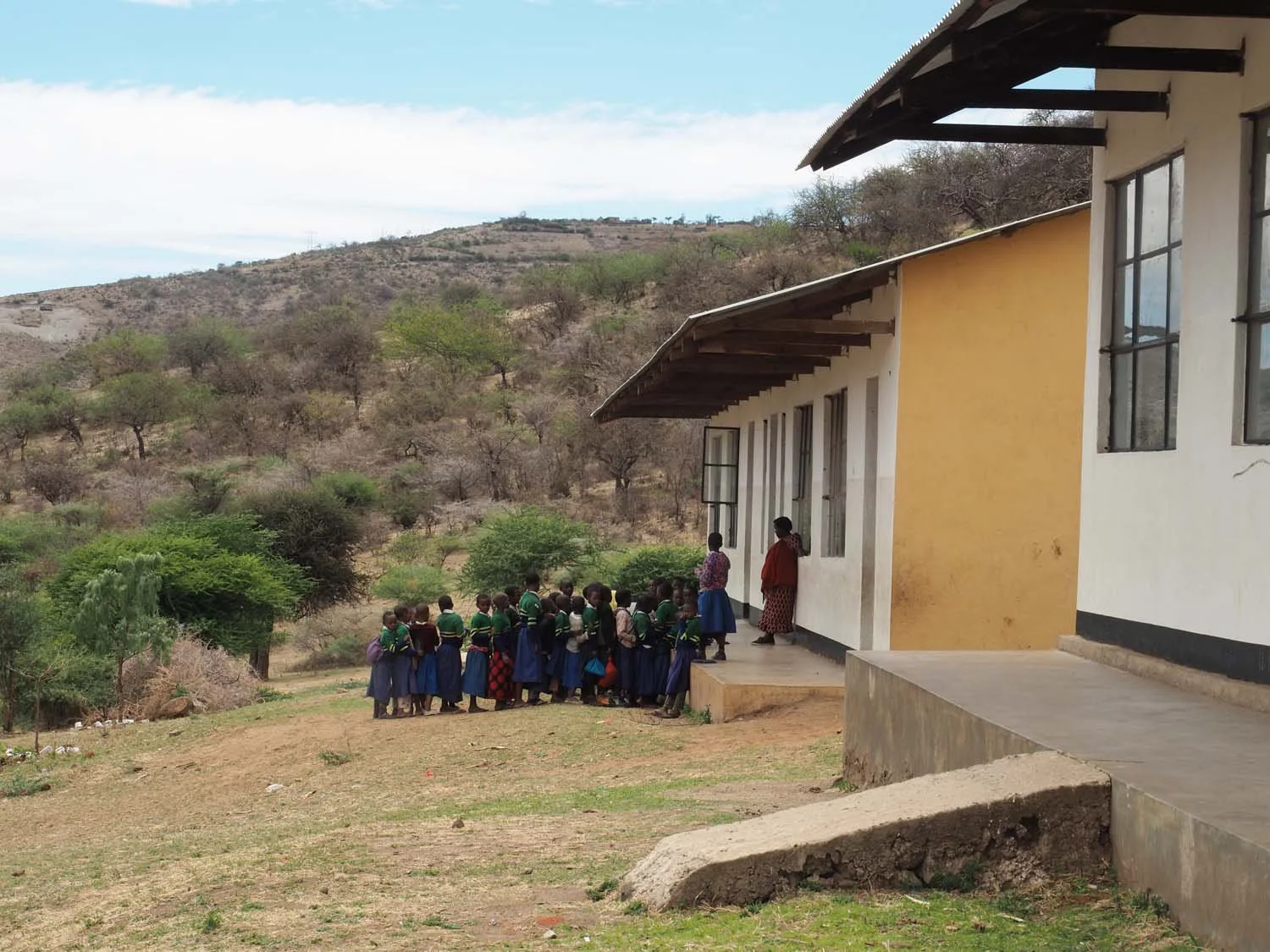
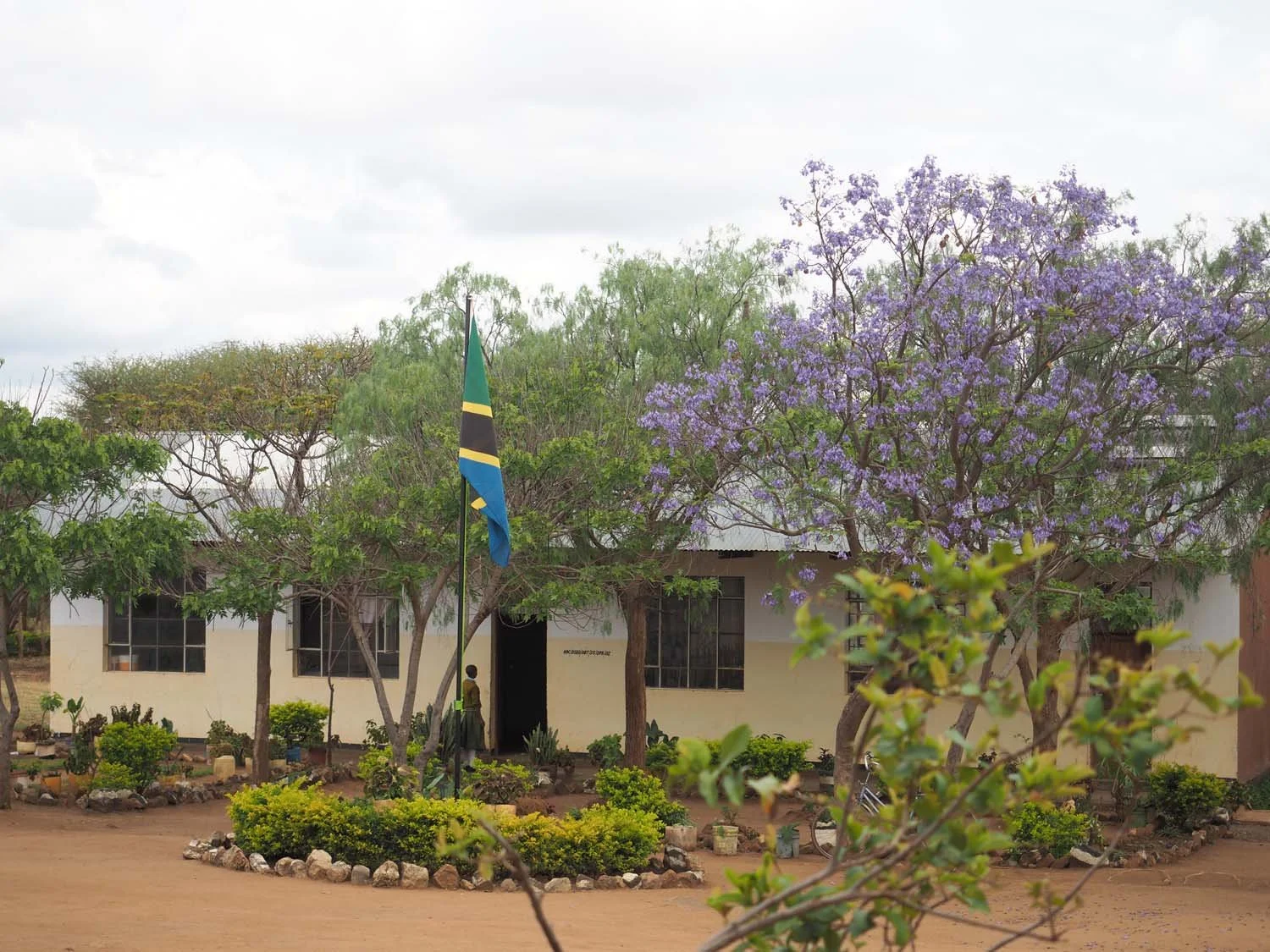
Since 2016, the Rafiki Village Project has partnered with the Dumbeta Ward community to improve education for more than 2,500 primary and secondary school students. Guided by the community’s priorities, we have made meaningful progress on many of the challenges facing Dumbeta Ward’s schools.
Impact Summary
Classrooms: Constructed and renovated a total of 10 classroom buildings at three schools, adding 15 new classrooms. This has significantly reduced class size. Learn More >
School Lunch Programs: Built kitchens at 3 schools, producing more than one million meals and ensuring students have a daily hot lunch. A fourth kitchen is planned for 2026. Learn More >
Clean Water: Installed pipelines connecting two schools to public water sources, fulfilling the goal of on-site running water at all of the Ward's six schools. Learn More >
Toilets and Sanitation: Replaced unsafe pit toilets and added handwashing stations at two schools, with facilities that meet or exceed Tanzanian national WASH standards. Learn More >
Electricity and Technology: Installed solar panels at the secondary school and provided internet access, computers, and a shared photocopier used by all six schools. Learn More >
Teacher Housing: Completed on-site housing for a head teacher, improving staff recruitment, retention, and school security. Learn More >
After-School Sports: Launched a sports program at two primary schools in 2025, with plans to expand to all six schools. Learn More >
Discretionary Stipends: Provide all six of Dumbeta Ward’s schools with a quarterly discretionary stipend. Since 2017, these funds have been used to purchase educational supplies, increase staffing, and make needed improvements. Learn More >
Background Information
Tanzania’s educational levels are based on the British system. Primary school starts with kindergarten at age five and continues through Standard 7. Secondary school starts with Form 1 and continues through Form 4. Advanced levels include Forms 5 and 6. Students who complete Form 6 are eligible for higher education.
In 1978, primary school became compulsory through Standard 7. In 2002, public primary school became free for all students. In 2016, public secondary school became free. In 2024, secondary school through Form IV became compulsory, and Advanced level became free. As of 2026, the 2024 reforms have not yet been fully implemented.
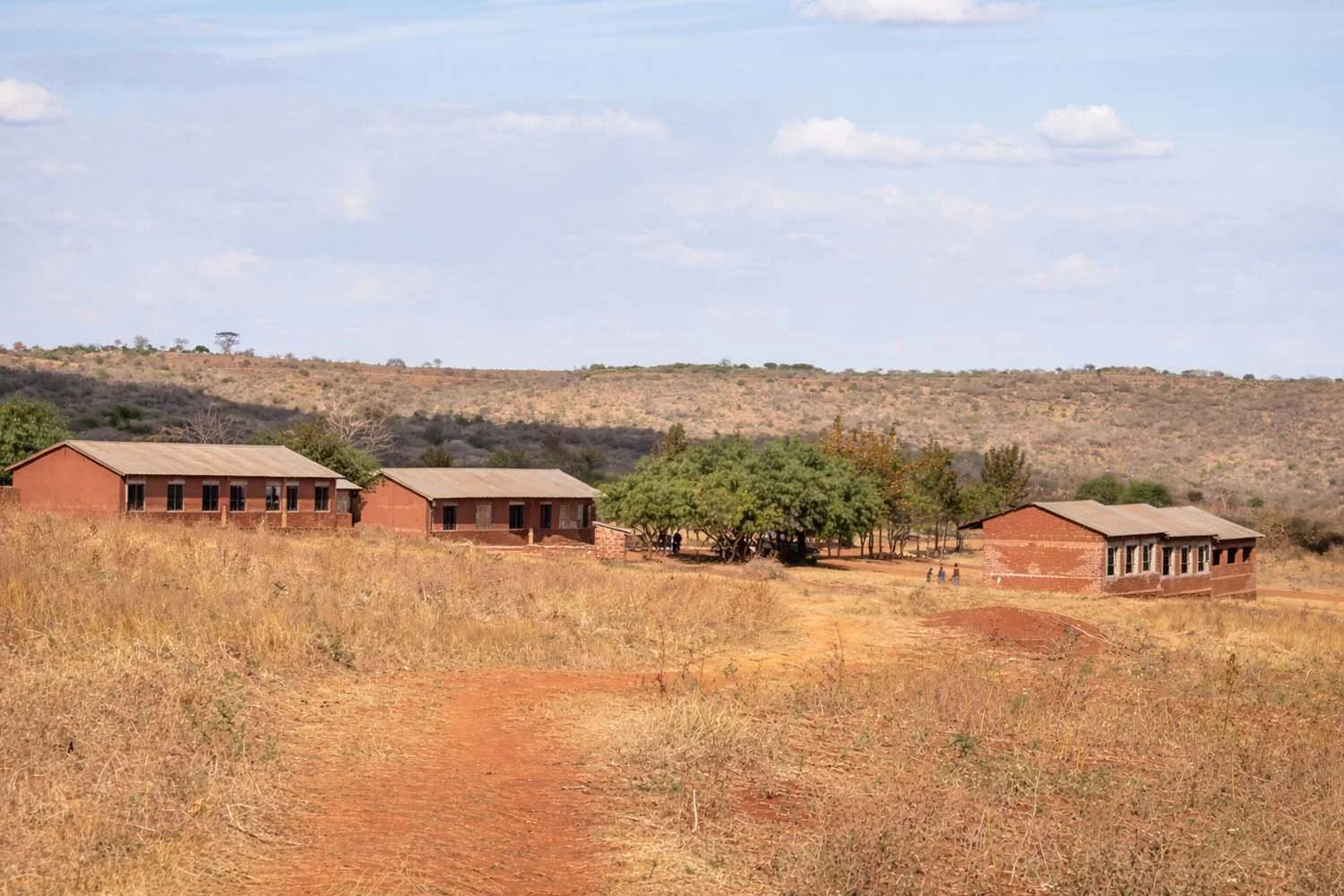
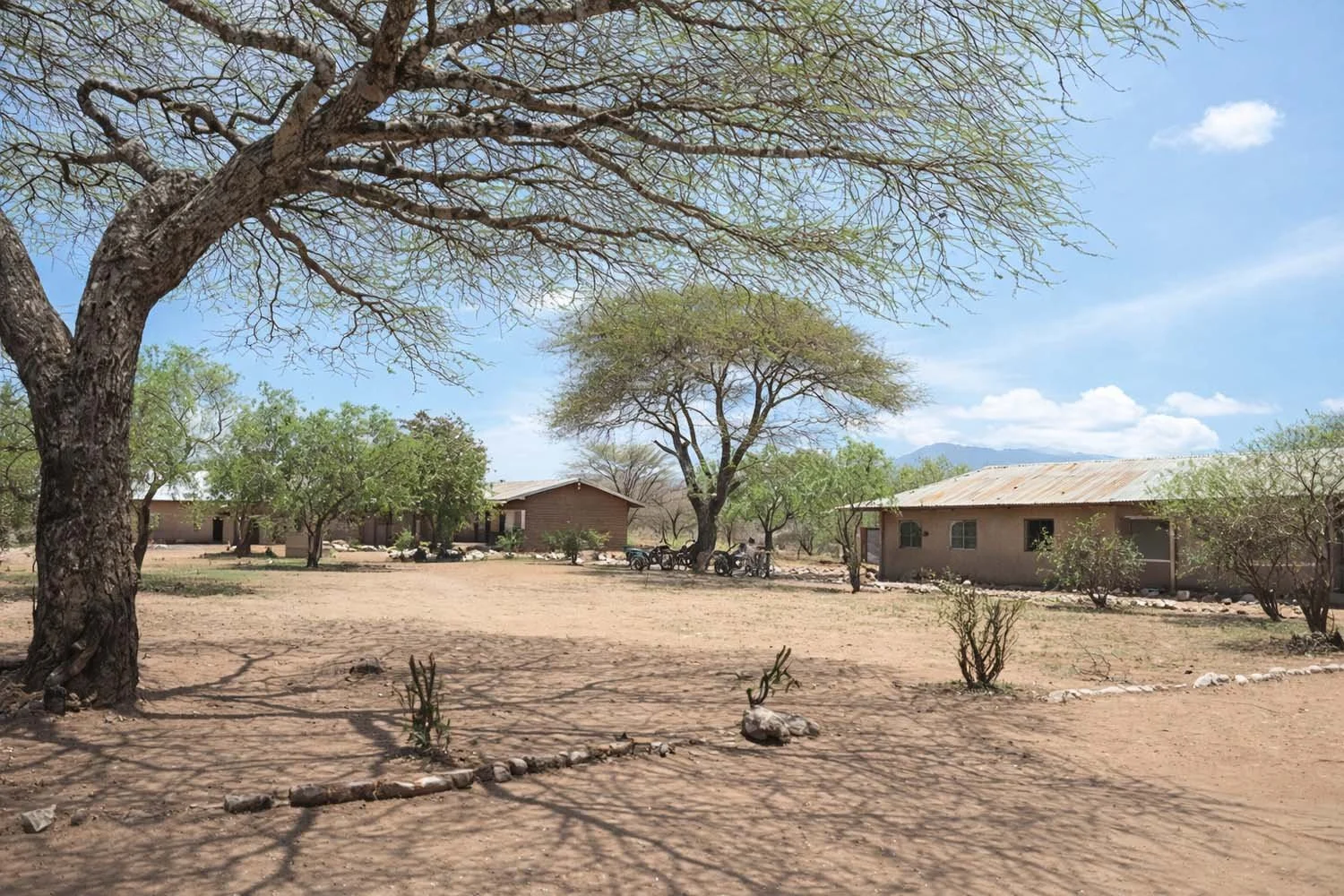
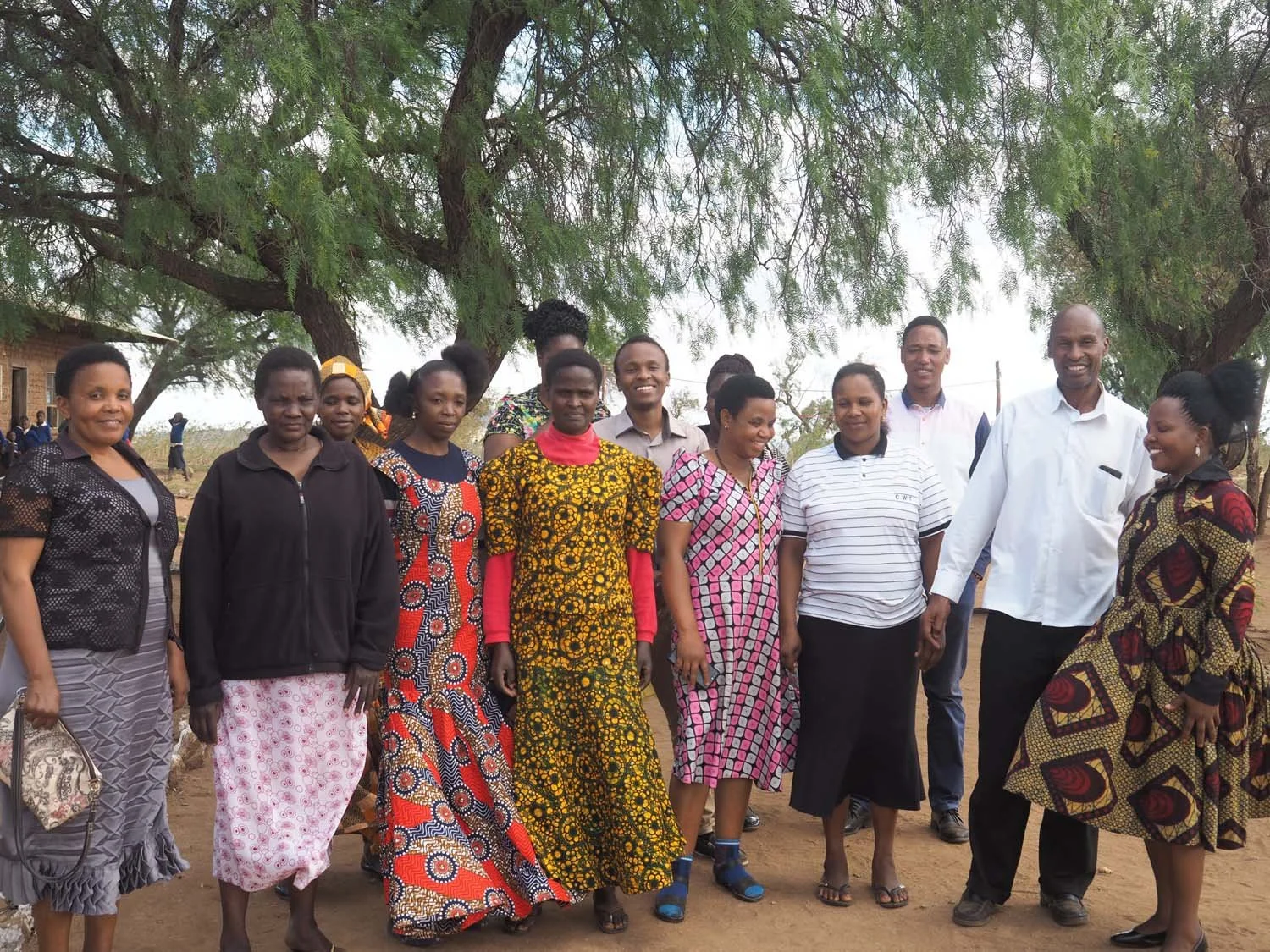
Dumbeta Ward has five primary schools and one secondary school. All face many challenges. However, despite the challenges, the schools are finding ways to educate the next generation. This is due in large part to the incredible passion, dedication and hard work of the Ward's many fine teachers. They understand the essential role education will play in improving the lives of their students and ensuring a better future for Tanzania.
Challenges Facing Dumbeta Ward’s Schools
High Absenteeism
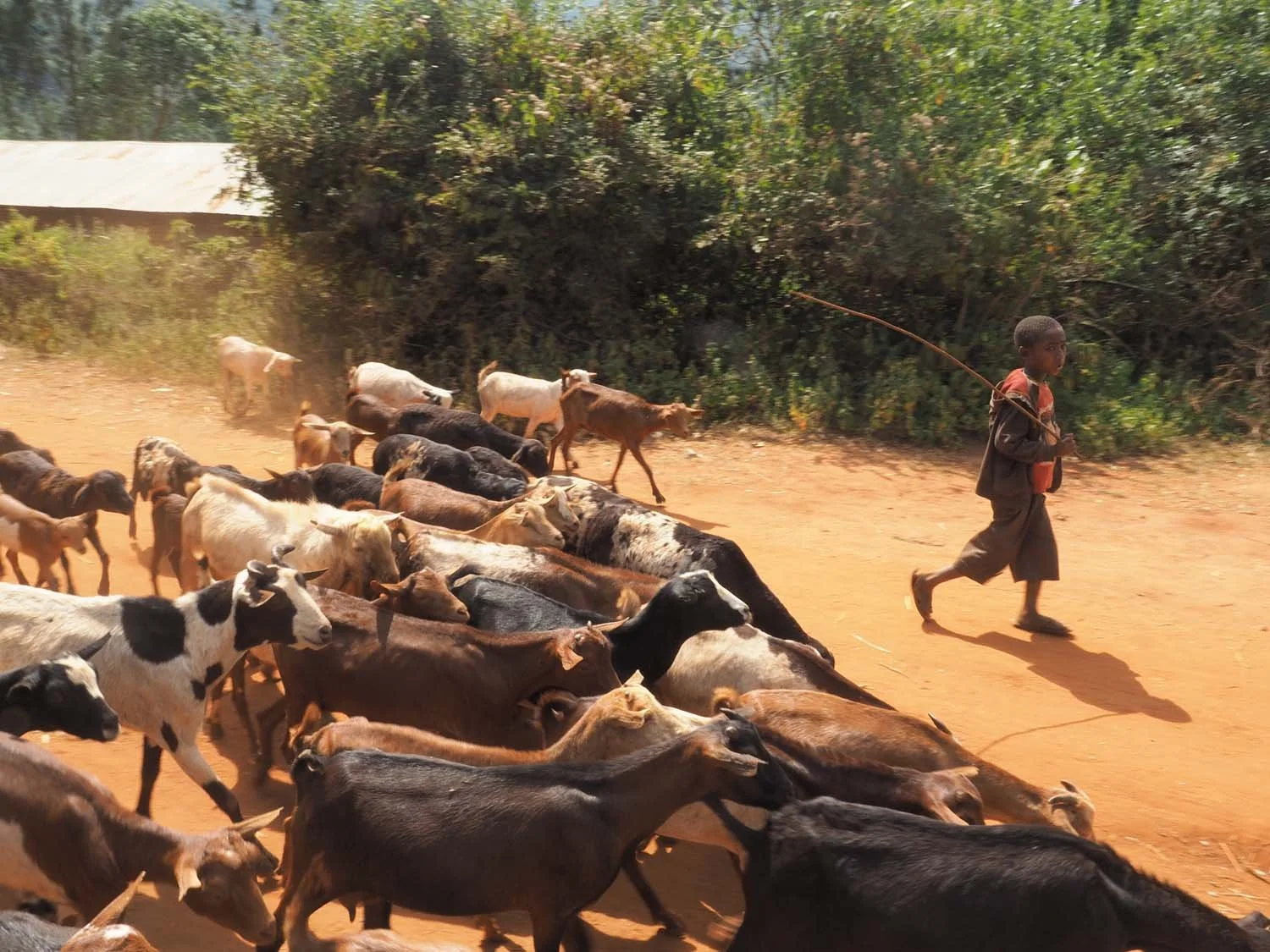
Approximately 20-25% of Dumbeta Ward’s children do not attend school regularly. This is due to multiple factors, including the need for child labor at home, the long distance some children must walk to school, endemic intestinal disease, economic barriers such as the cost of school uniforms, and widespread hunger.
Poor Condition of Classrooms
Prior to the Rafiki Village Project’s partnership with the community, the Ward’s classrooms had dirt floors, bare walls, windows with broken or absent panes, leaky roofs, and too few desks – many of them broken.
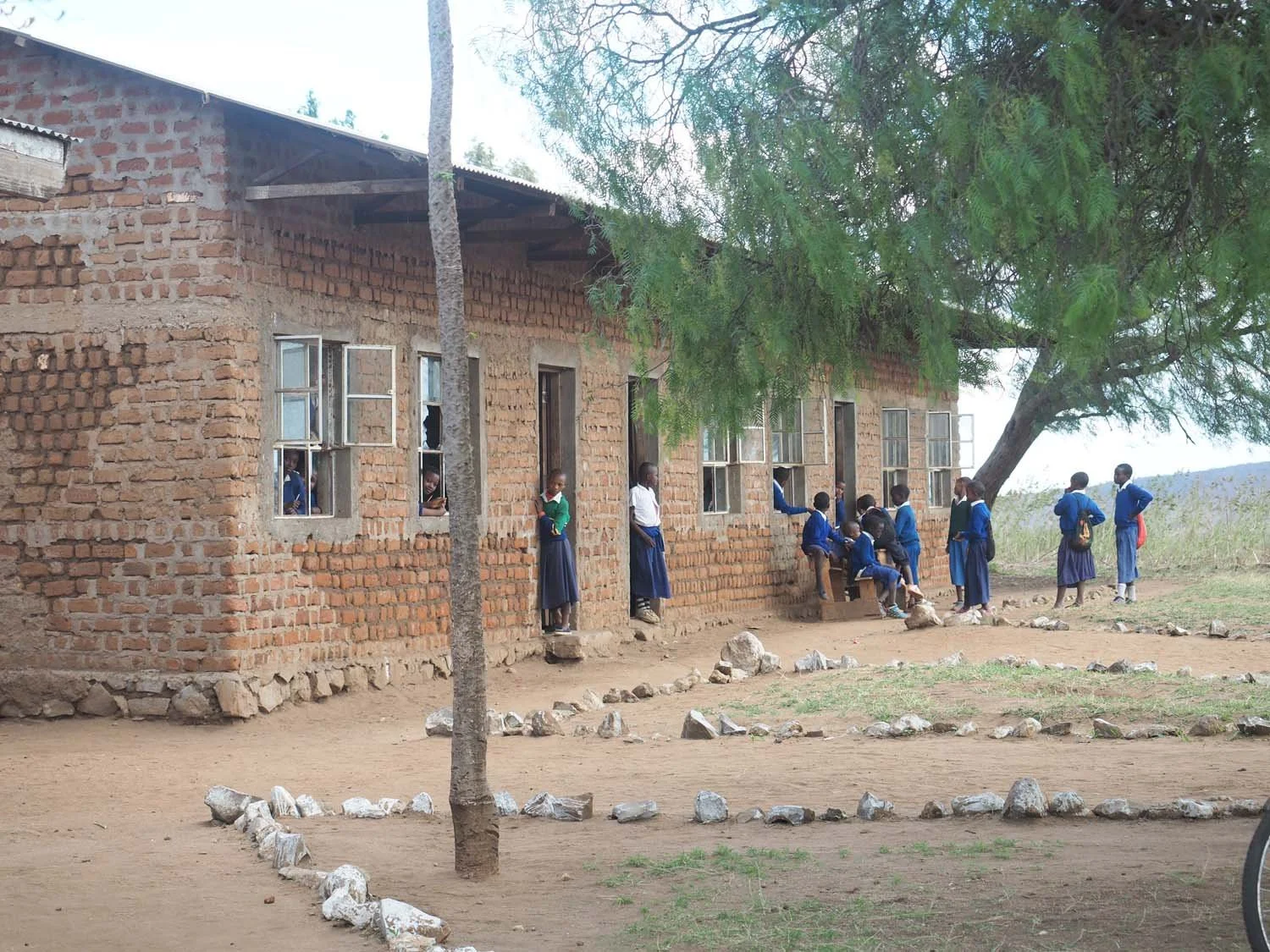
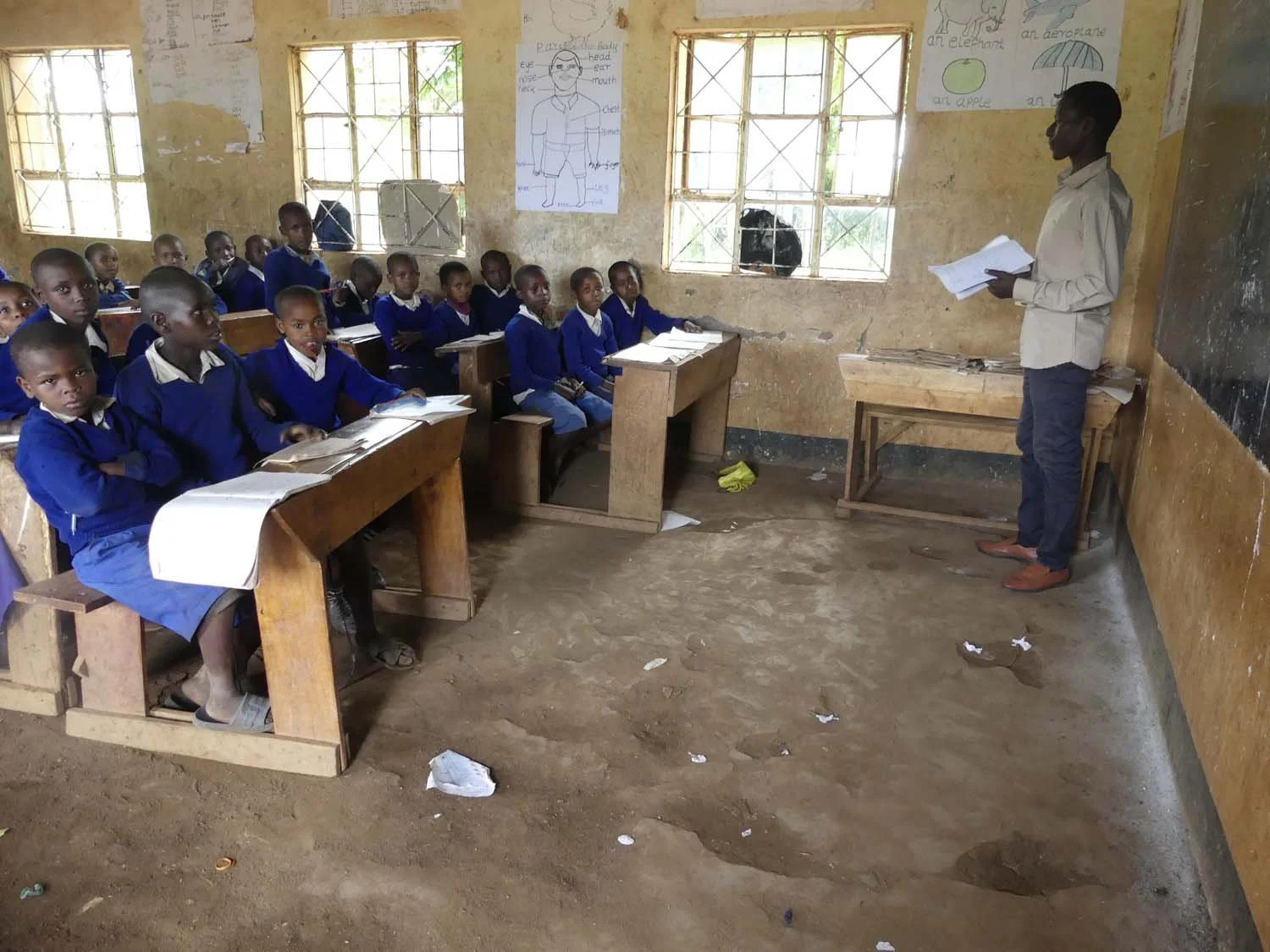
Lamay Primary School
Insufficient Classrooms
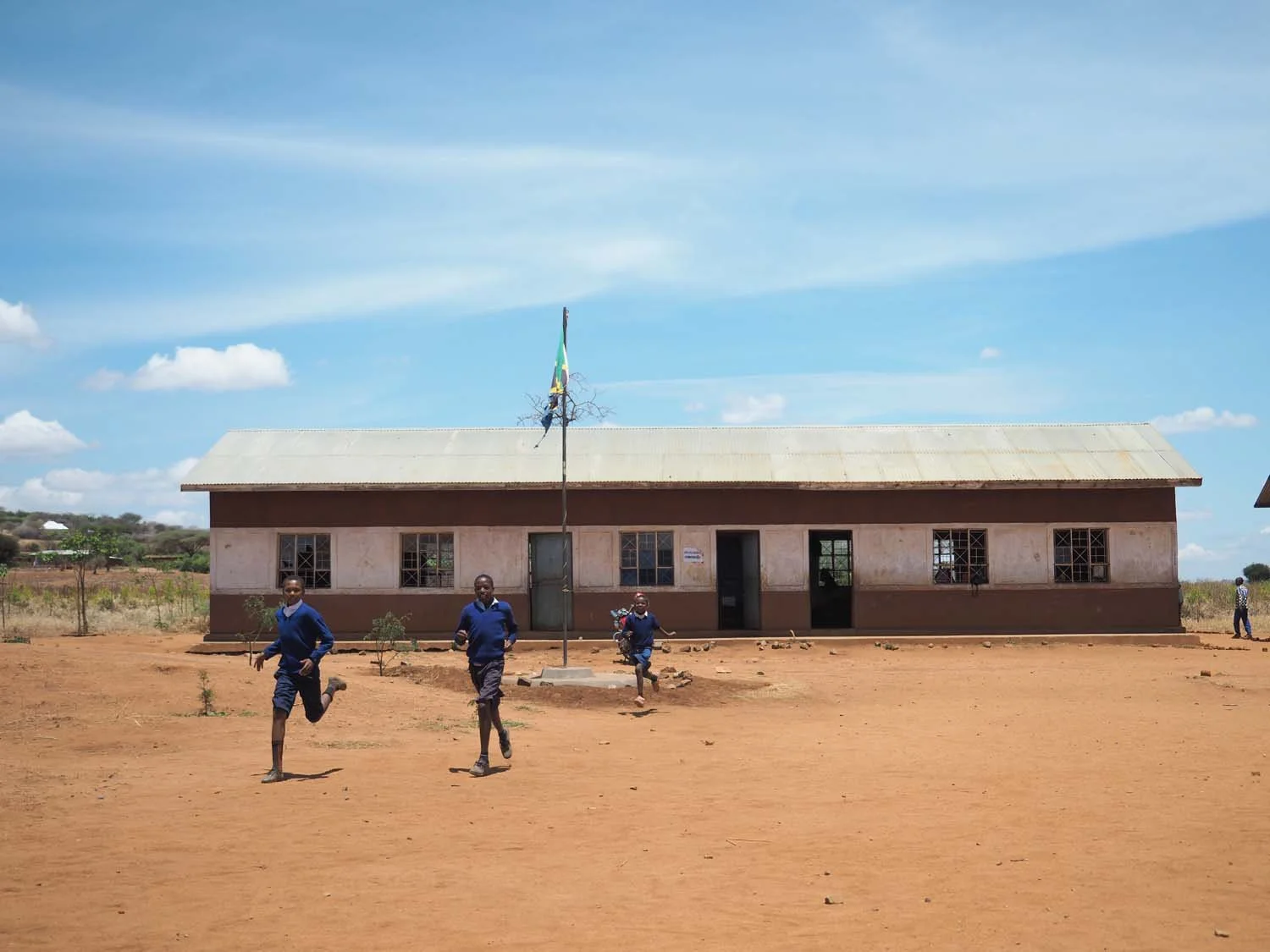
Primary school class size often exceeds 100 students. This is despite a national mandate calling for a maximum of 40 students per classroom. Classroom overcrowding is due to a collision between a rapidly growing population and the government’s inability to meet the need for additional classrooms.
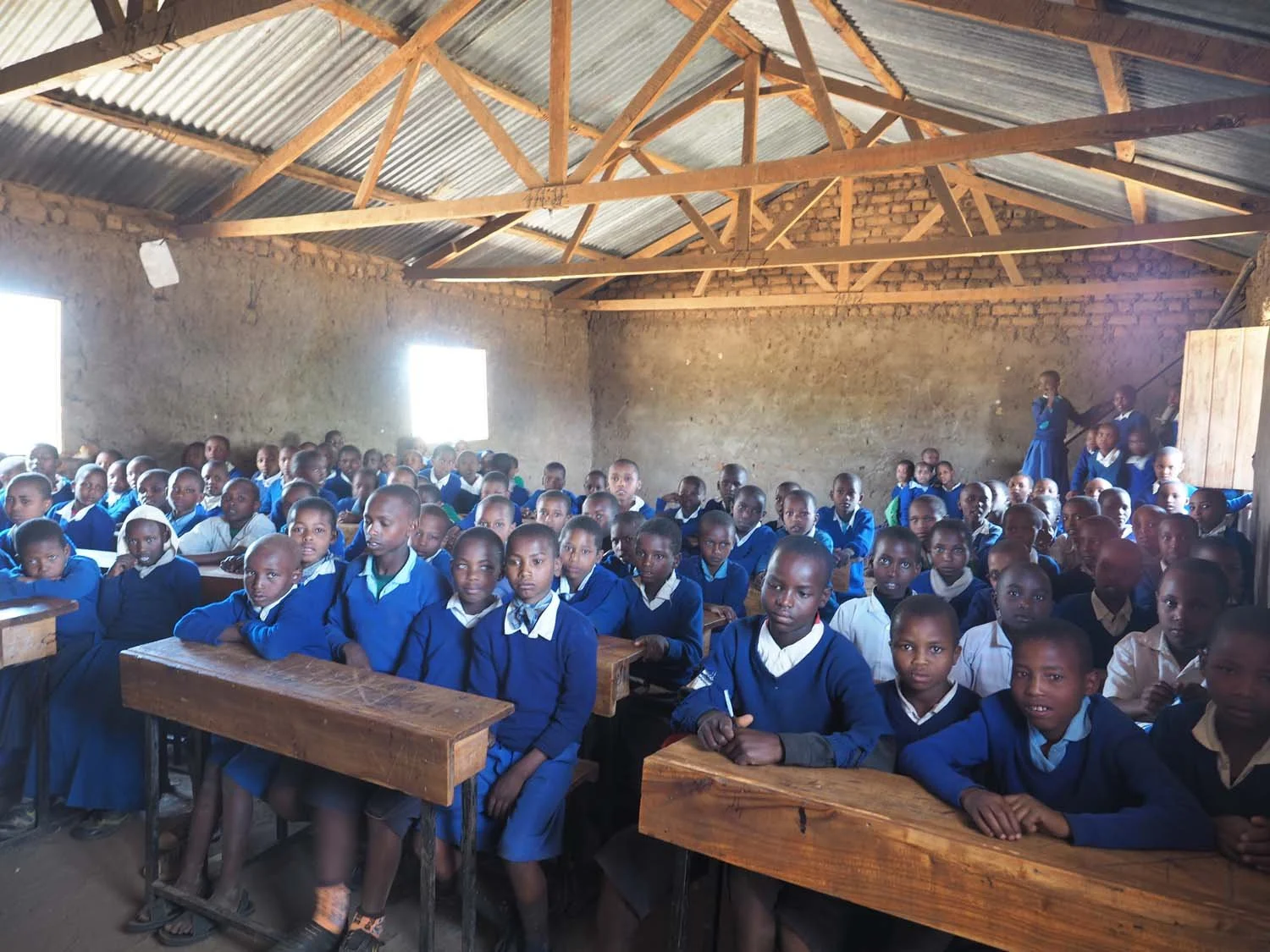
Dumbeta Primary School
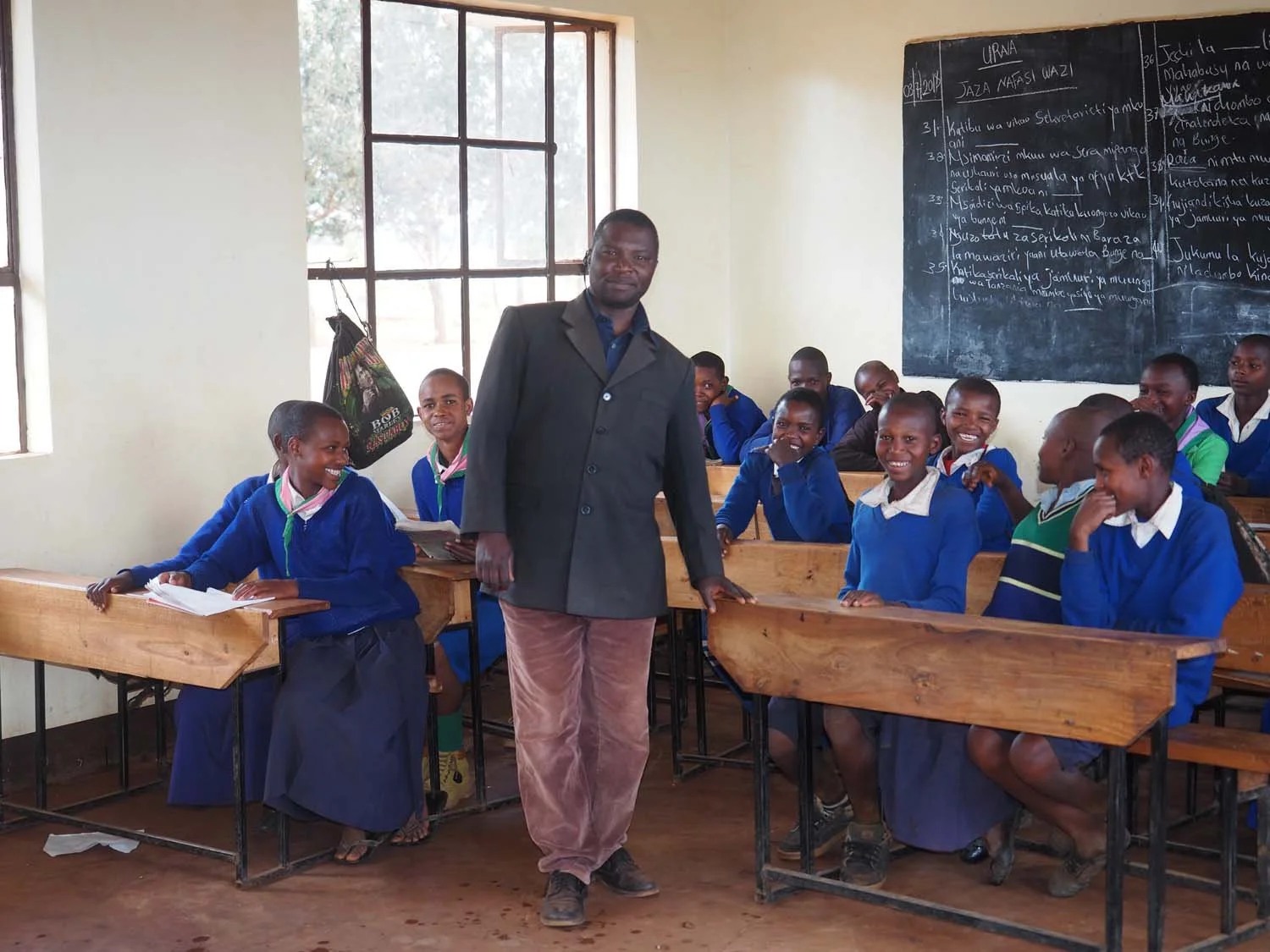
Peter Maliva: Teacher Gunilla Primary School
Teacher Shortages
Tanzania does not have enough teachers. While the country is graduating more teachers than in the past, the government has been slow to allocate funds to hire all the teachers that graduate. This results in large numbers of unemployed teachers nationally. Rural areas like Dumbeta Ward face an even more acute shortage.
Food Insecurity and Hunger
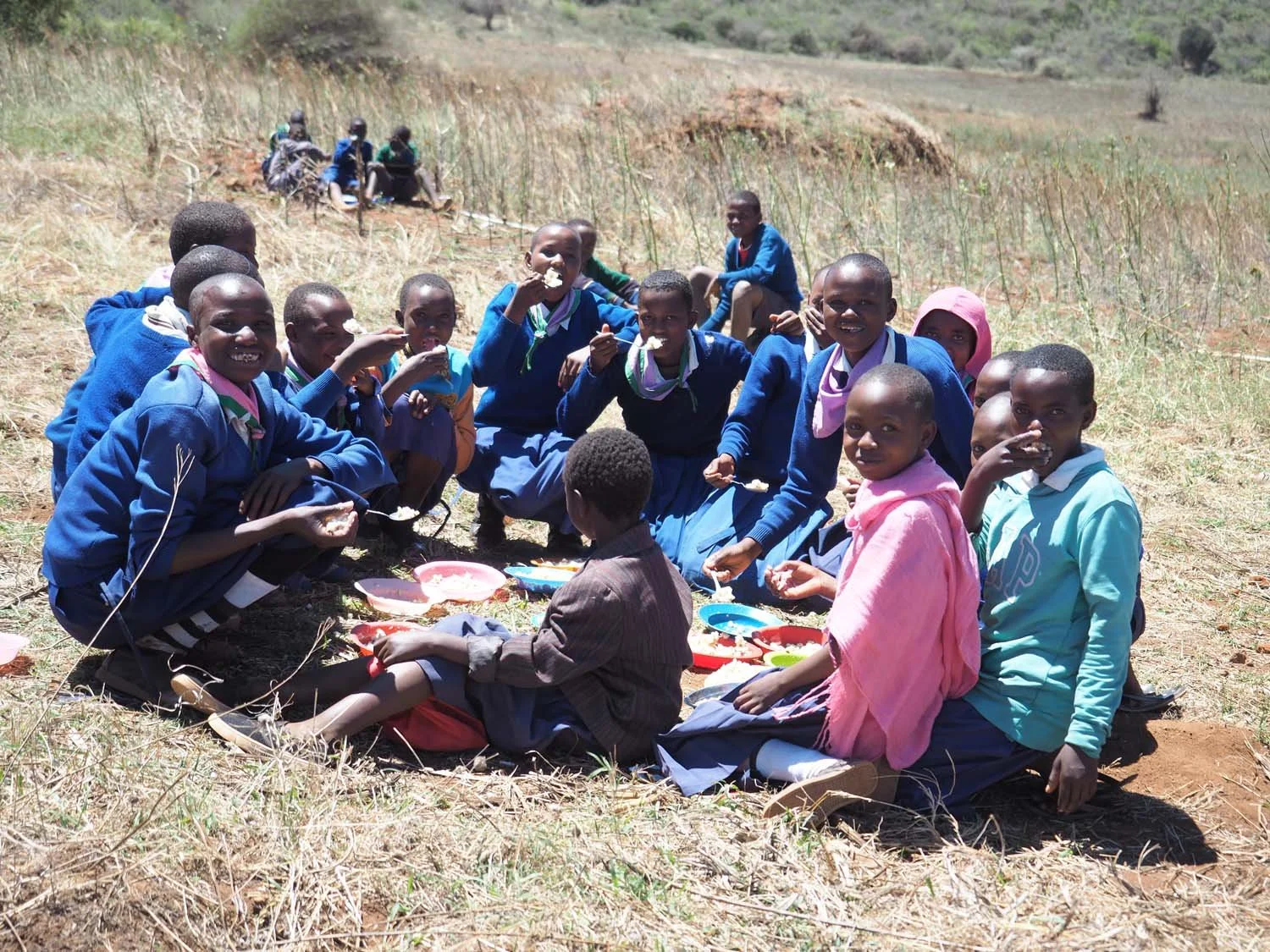
Children attending Dumbeta Ward’s public schools uniformly come from families that grow their own food. Food shortages are common, particularly in the months before the harvest and during years of insufficient rainfall. To avoid running out of food, families often reduce meals to one a day. This means that students arrive at school having not eaten since the prior evening. Hunger makes learning more challenging.
Inadequate Sanitation facilities
Pit toilets are the standard in Dumbeta Ward. Student and teacher toilets are unsanitary and, in some cases, unsafe. National standards mandate a maximum of one toilet per 25 pupils, with lockable doors for privacy and handwashing facilities with soap and water. None of these standards are currently being met. Unsanitary toilets are a major cause of infectious diseases, school absenteeism, and poor school performance. The poor quality of teacher toilets affects morale and makes it more difficult to recruit and retain teachers.
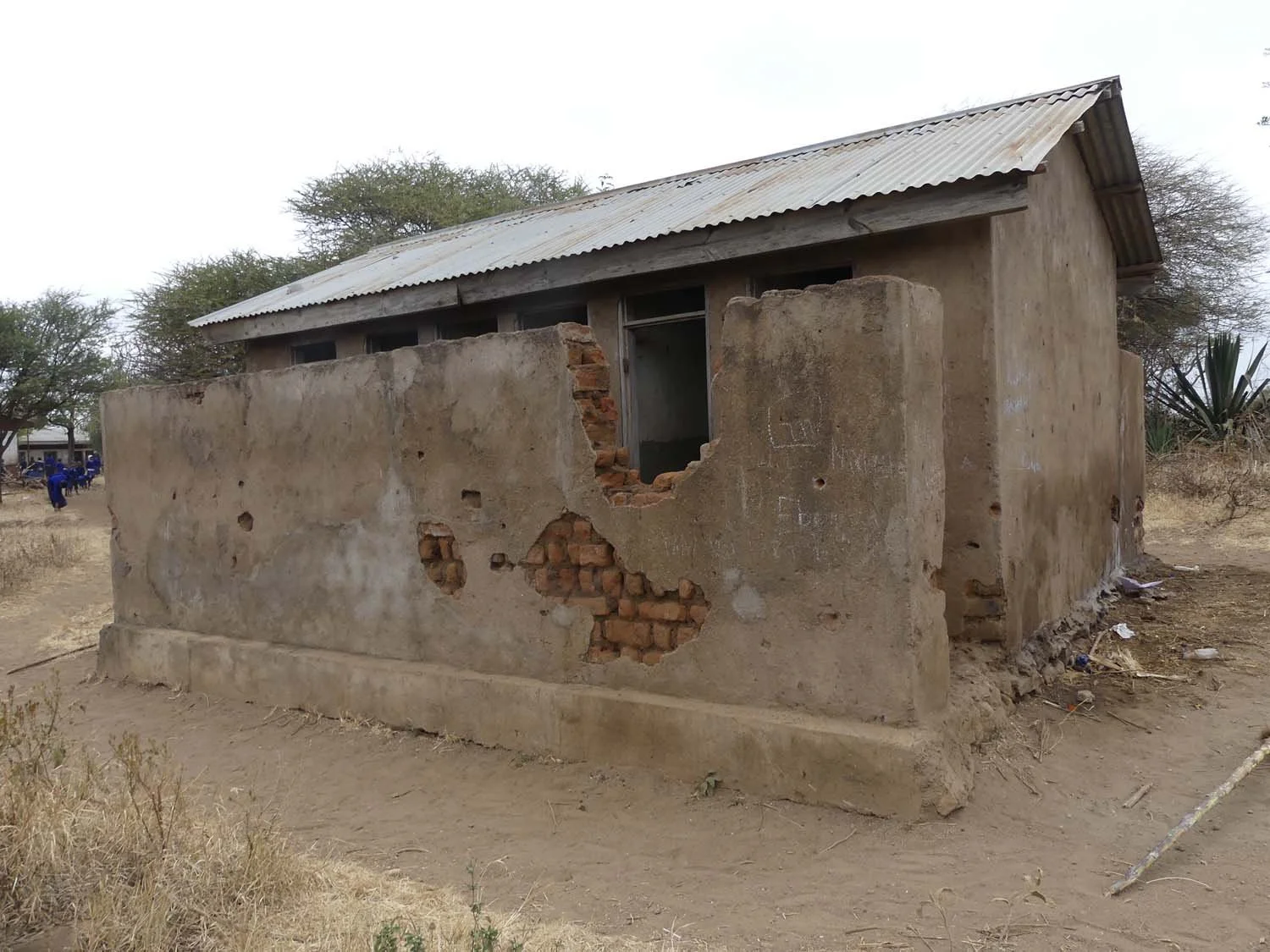
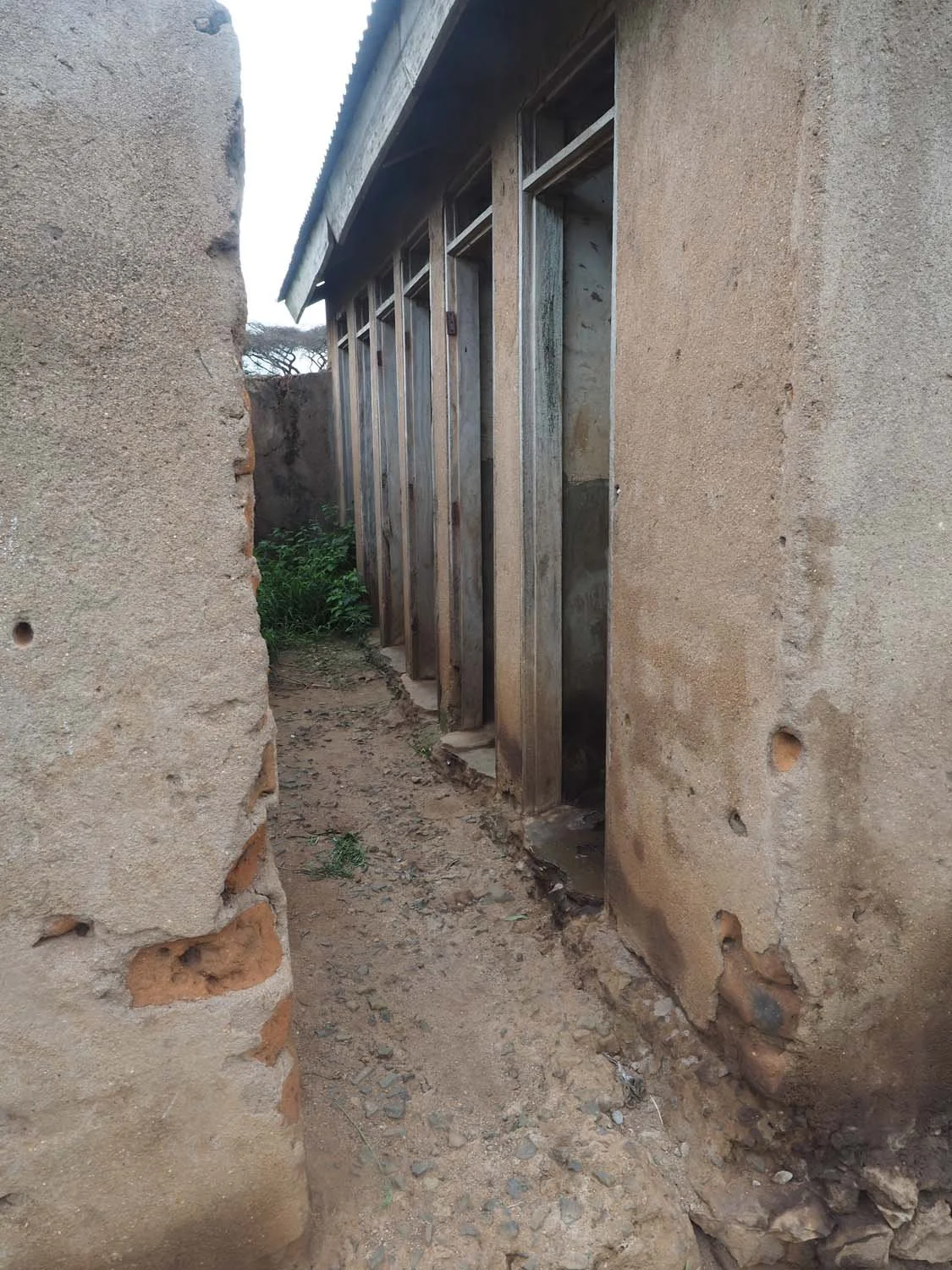
Lamay Primary School Toilets
No Electricity
Prior to the Rafiki Village Project’s partnership with the community, none of the Ward’s schools had electricity. Electricity is essential for lighting, technology –including photocopying and computers – and access to internet resources.
Limited Teacher Education
Historically, primary school teachers in Tanzania only needed a secondary school education through Form 4 and a certificate from a two-year teaching college. The 2023 Education and Training policy phases out the teaching certificate and mandates that teachers complete A level (through Form 6) before obtaining a Diploma in Education from a teacher’s college. However, in practice most teachers only have the basic certificate. Limited opportunities for professional development, demanding schedules, and the fact that teachers must personally bear the cost of furthering their education are significant barriers to improving teacher education in Dumbeta Ward.