Gijega Primary School
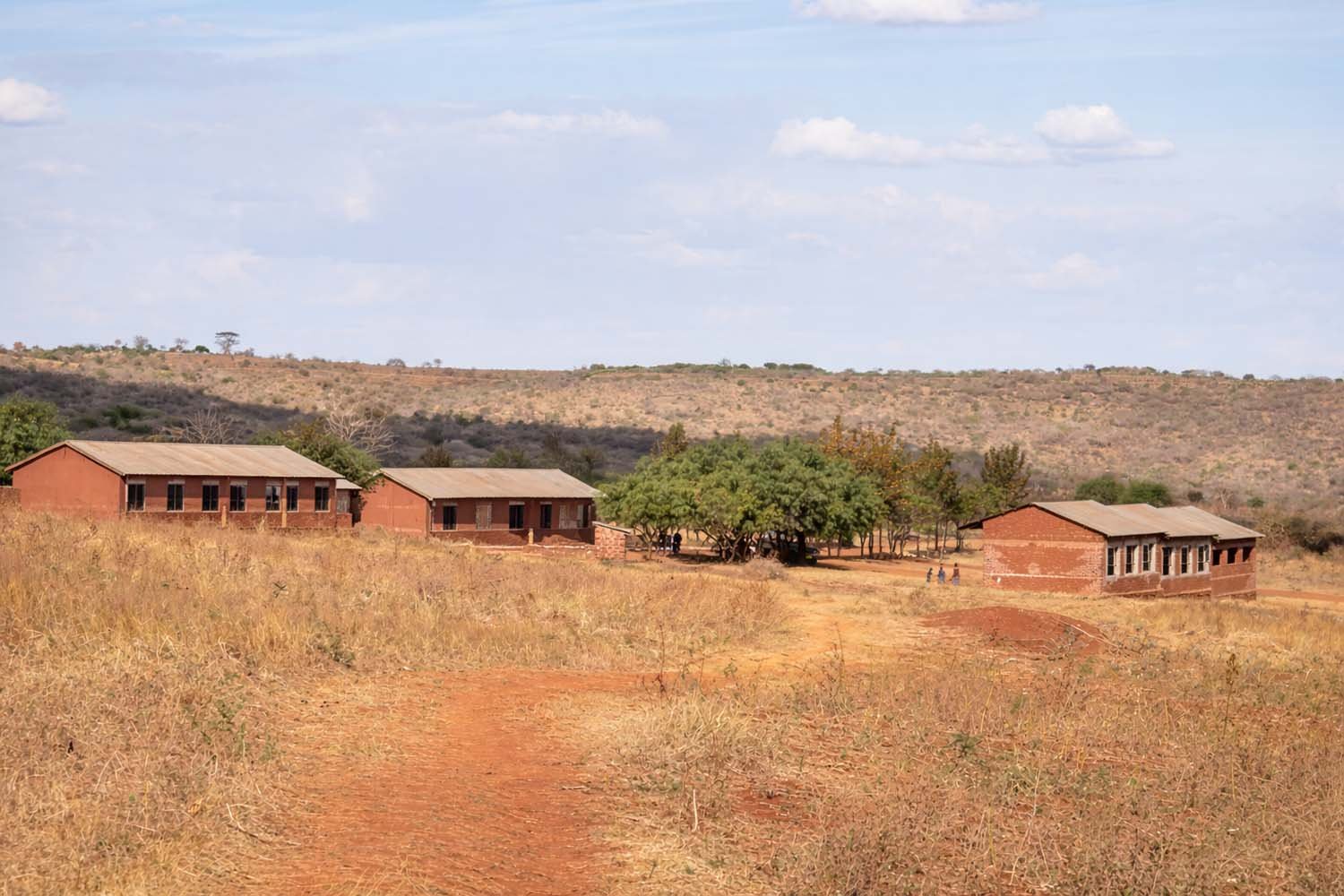
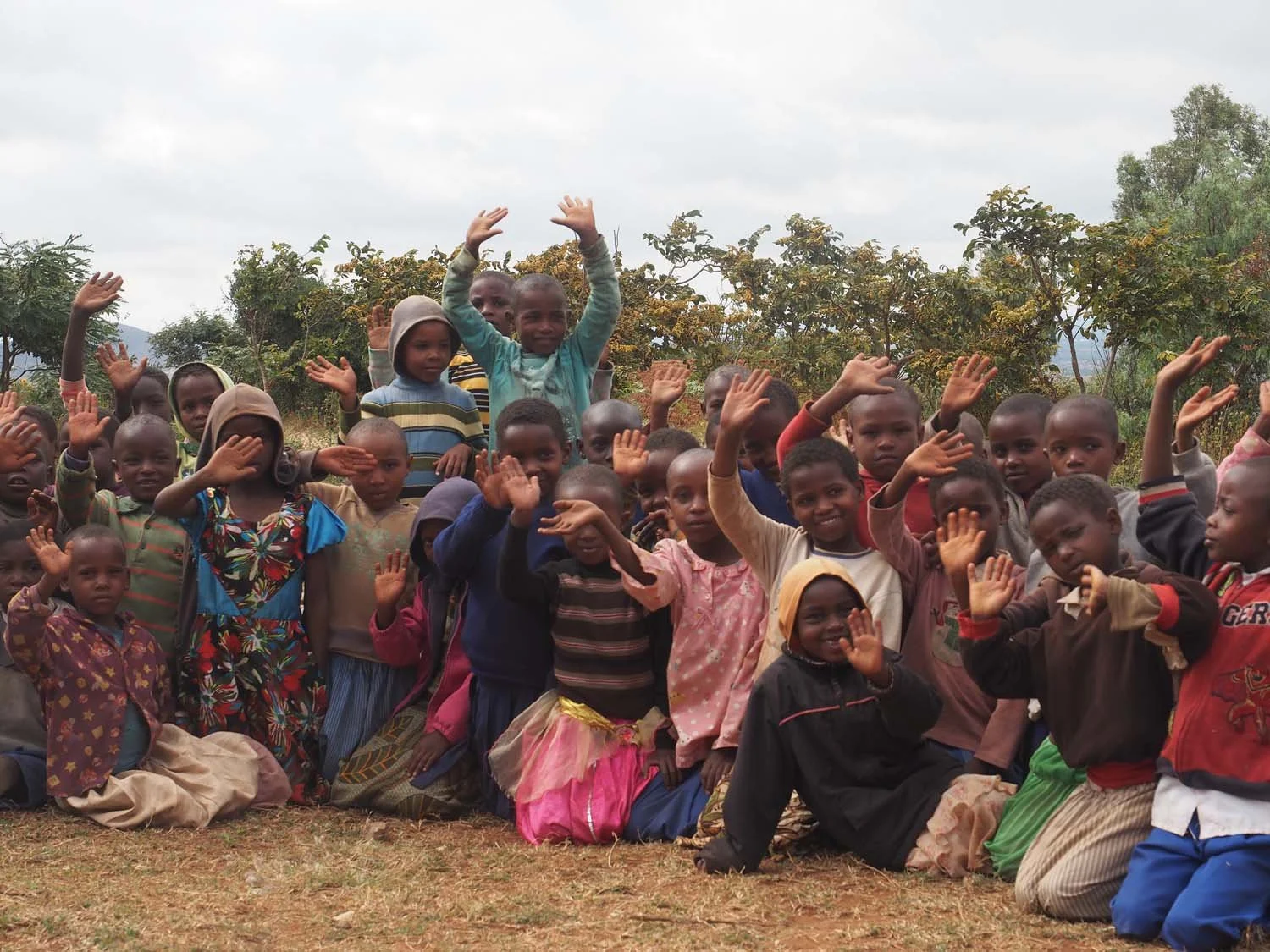
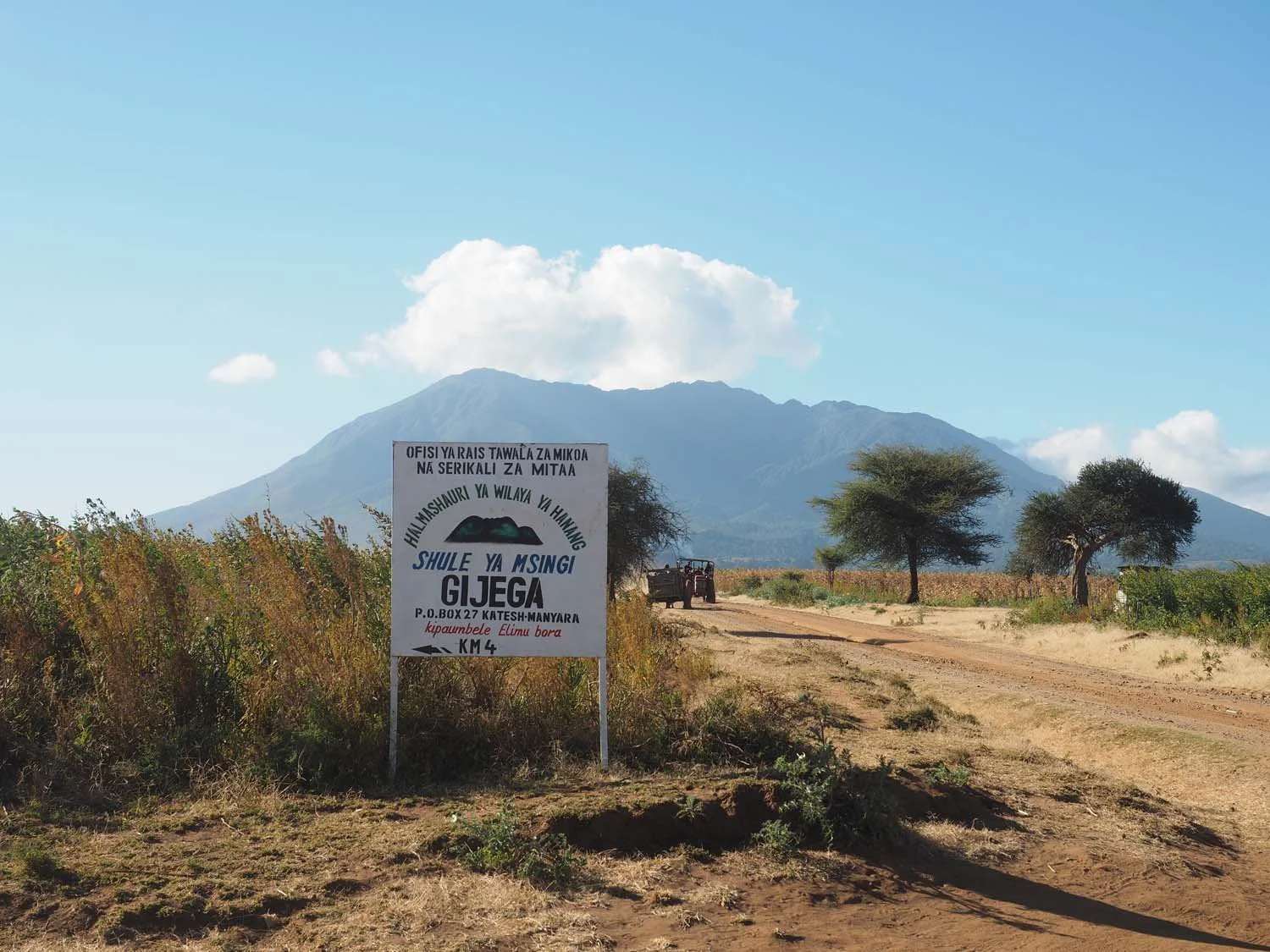
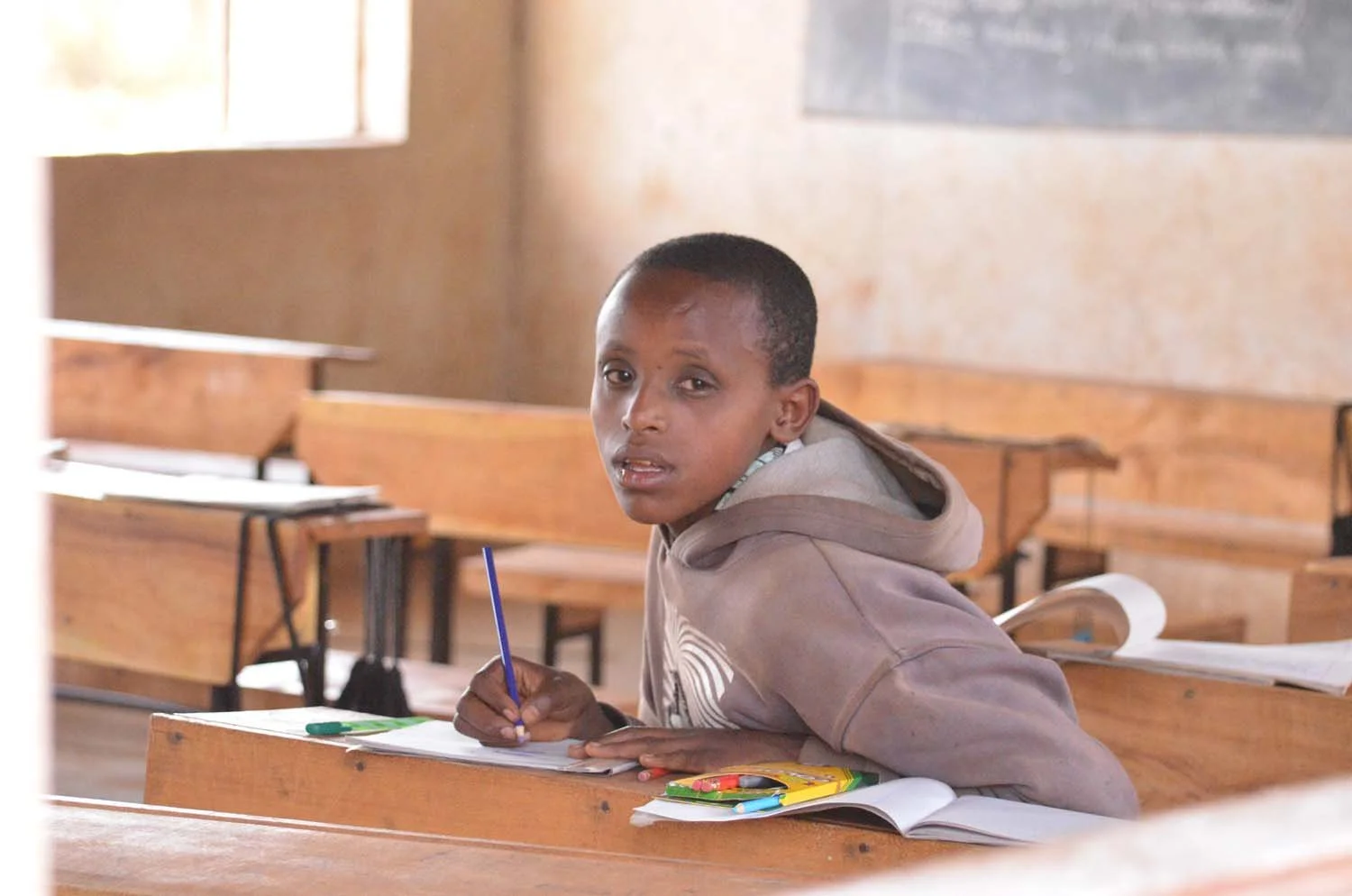
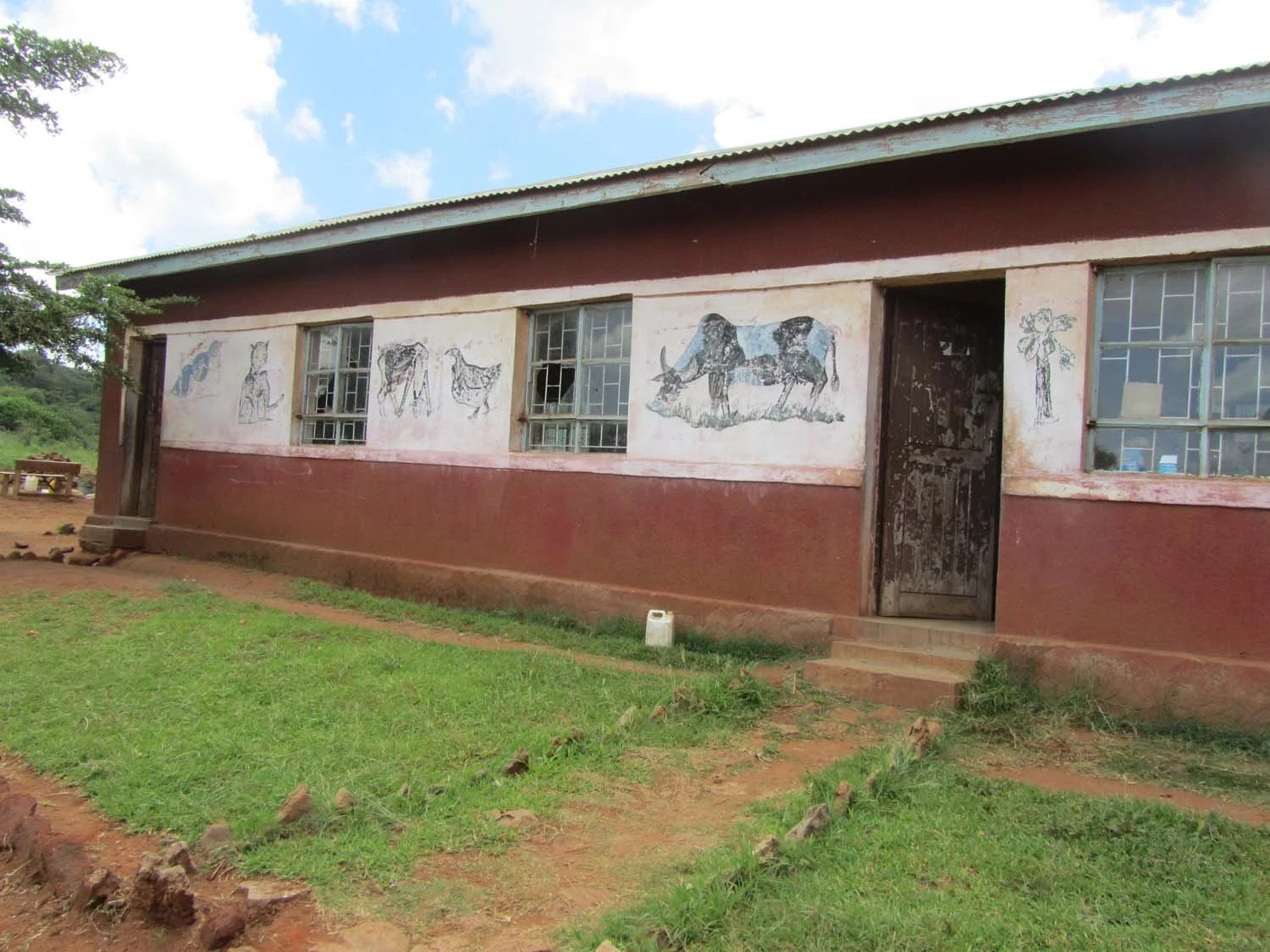
Gijega Primary School is the second-largest school in Dumbeta Ward, Tanzania, and also the most remote. Poor road conditions make travel to and from the school difficult, especially during the rainy season.
Gijega was the first school to partner with the Rafiki Village Project. During the organization’s early years, we worked exclusively at Gijega Primary School and Dumbeta Dispensary. As a result, more projects have been completed at Gijega than at any other school in the ward.
Opened: 2003
Enrollment: 570 (2026)
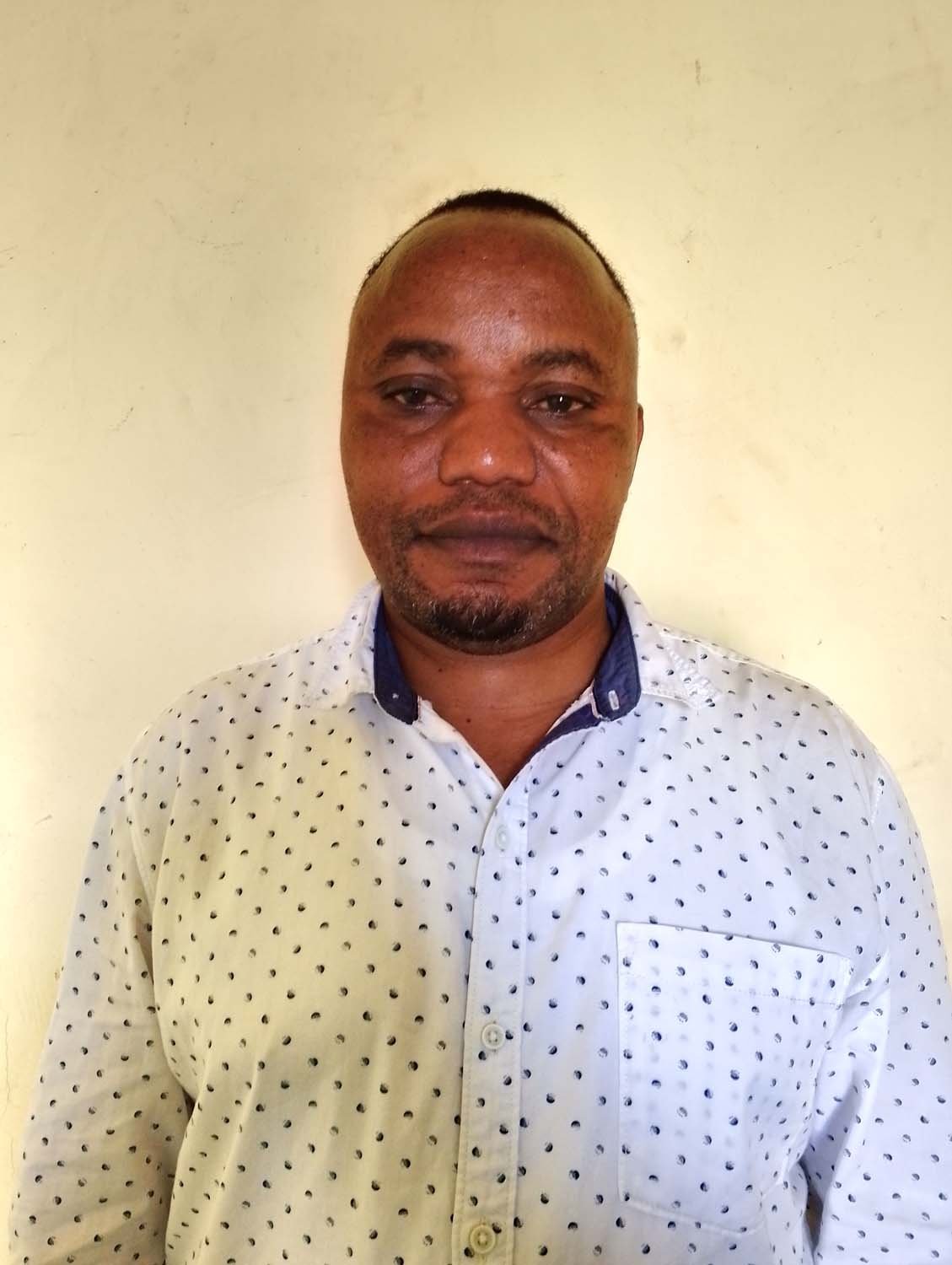
Mr. Gabriel G. Gunda
Head Teacher: Mr. Gabriel G. Gunda
IMPACT SUMMARY
Since 2016, the Rafiki Village Project, Gijega Primary School and the subvillage of Gishaj have worked together to improve education, health, and WASH (Water, Sanitation and Hygiene) infrastructure at the school.
• Clean water piped to the school and nearby community
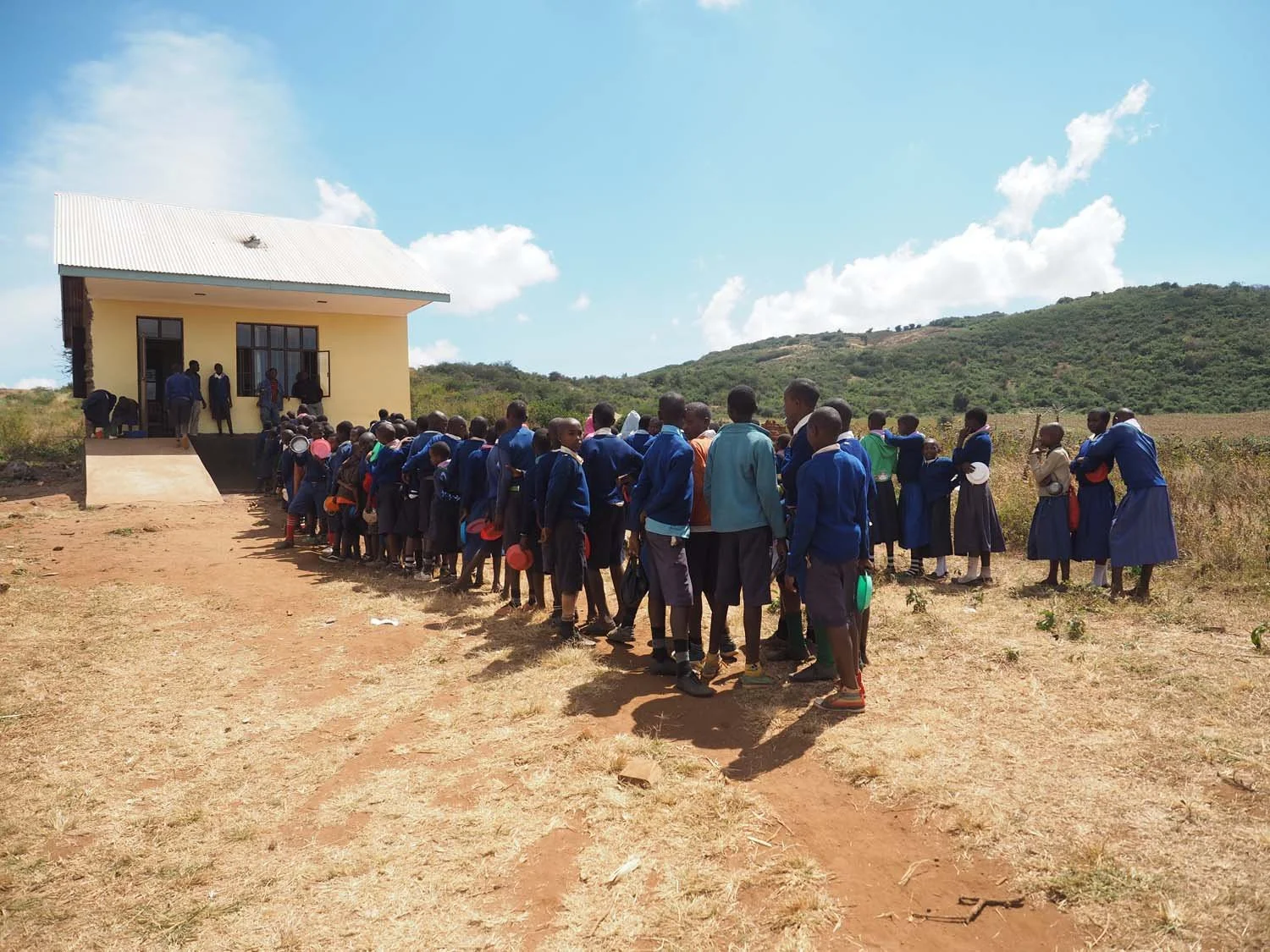
• School kitchen and daily lunch program serving 500+ students
• Renovated classrooms and two new classrooms with a school office
• Staff restrooms with flush toilets and sinks
• Improved student toilets and handwashing facilities
• On-site housing for the head teacher and family
Completed Projects
2016: WATER PROJECT
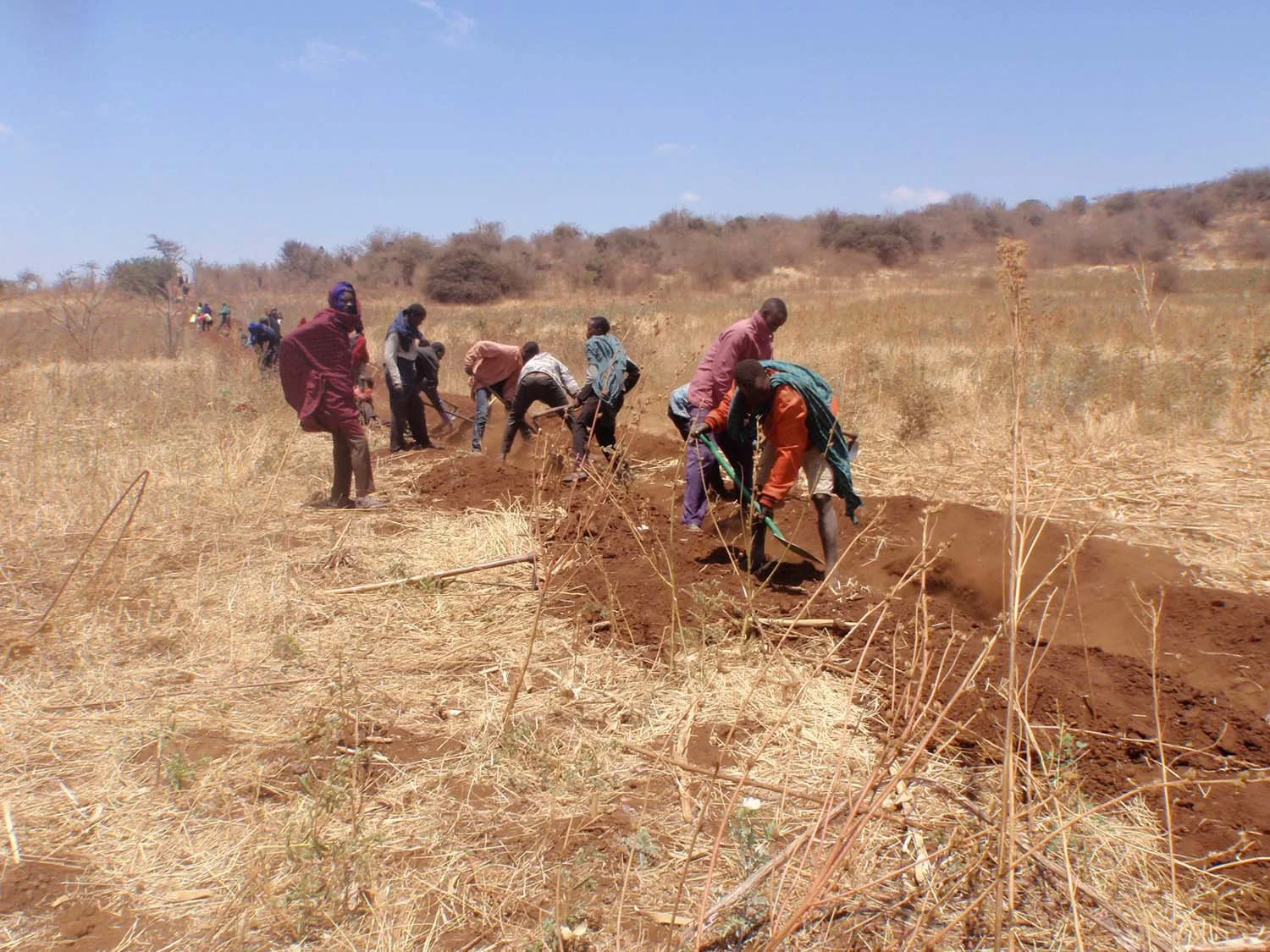
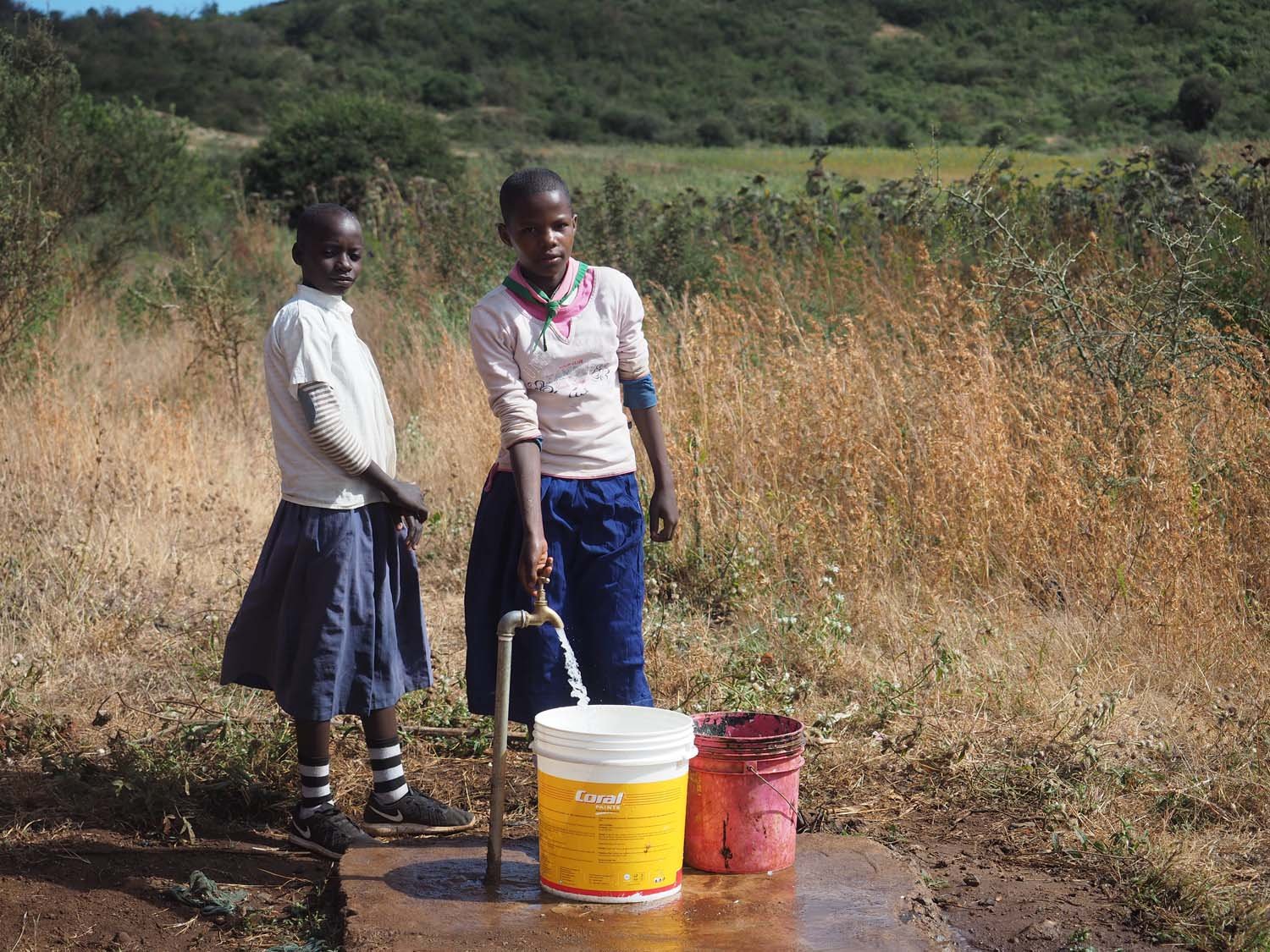
The first project completed by the Rafiki Village Project was the construction of a 2.5-mile waterline that connected Gijega Primary School and the neighboring community to a public utility holding tank filled by water from a deep borehole. Students had been hauling water from a contaminated water source, exposing them to waterborne illness and reducing valuable classroom time.
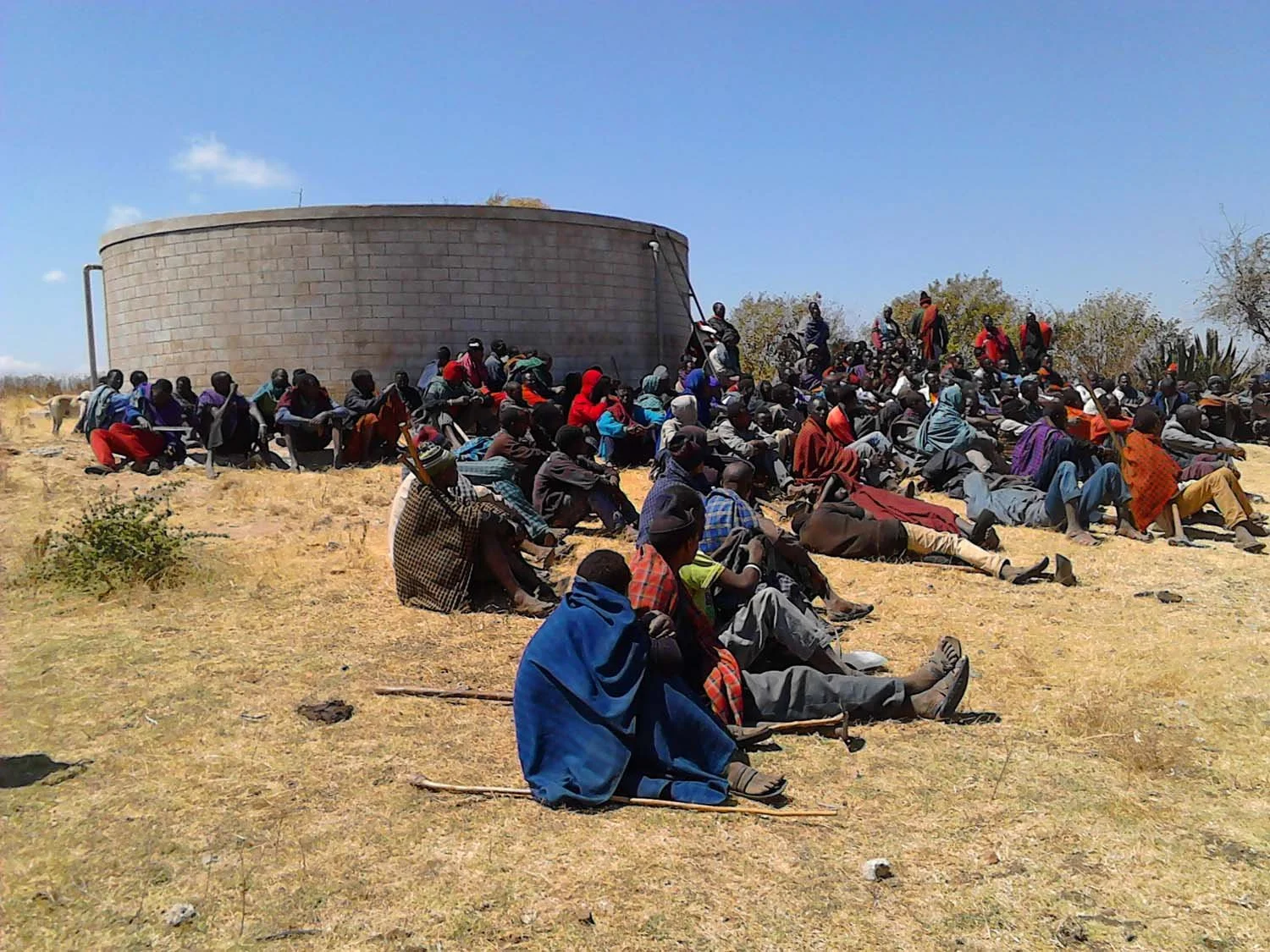
The community asked for this to be the first project, prioritizing it over other improvements to the school. Community members contributed the labor to dig the trench and bury the line. On September 20, 2016, clean water began to flow to Gijega Primary School.
On-site water has made a huge difference to the school, promoting WASH (Water, Sanitation and Hygiene), decreasing hunger, improving academic performance and school attendance.
It allowed for a school lunch program and kitchen.
It made handwashing sinks possible, promoting WASH through improved student hygiene.
It enabled the construction of staff restrooms with flush toilets and sinks, improving sanitation and teacher job satisfaction.
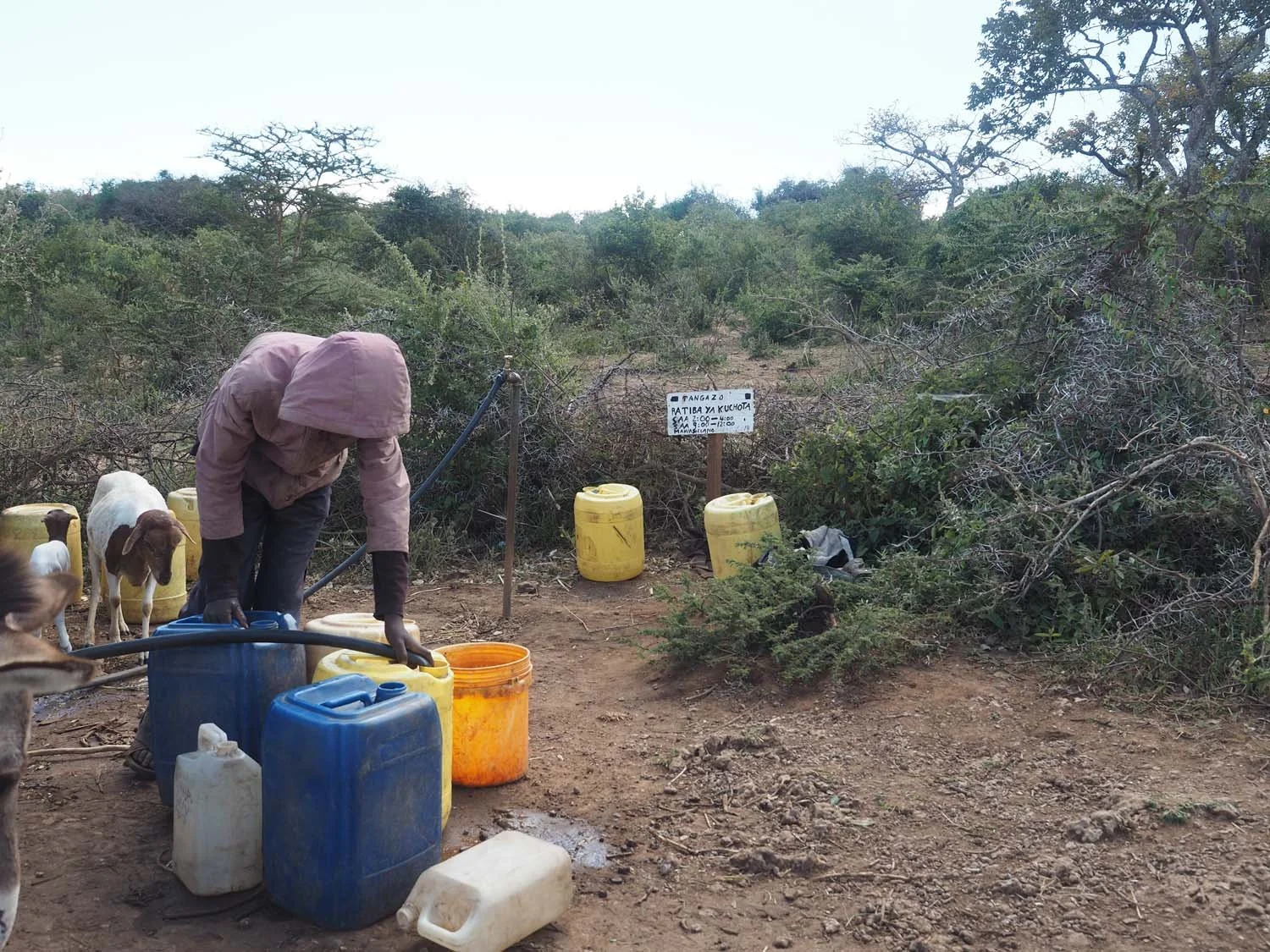
The project also included the installation of a nearby public water distribution point. This benefits local families and promotes WASH, by decreasing the amount of time spent transporting water and by improving the overall health of the community.
2017: RENOVATION OF CLASSROOMS
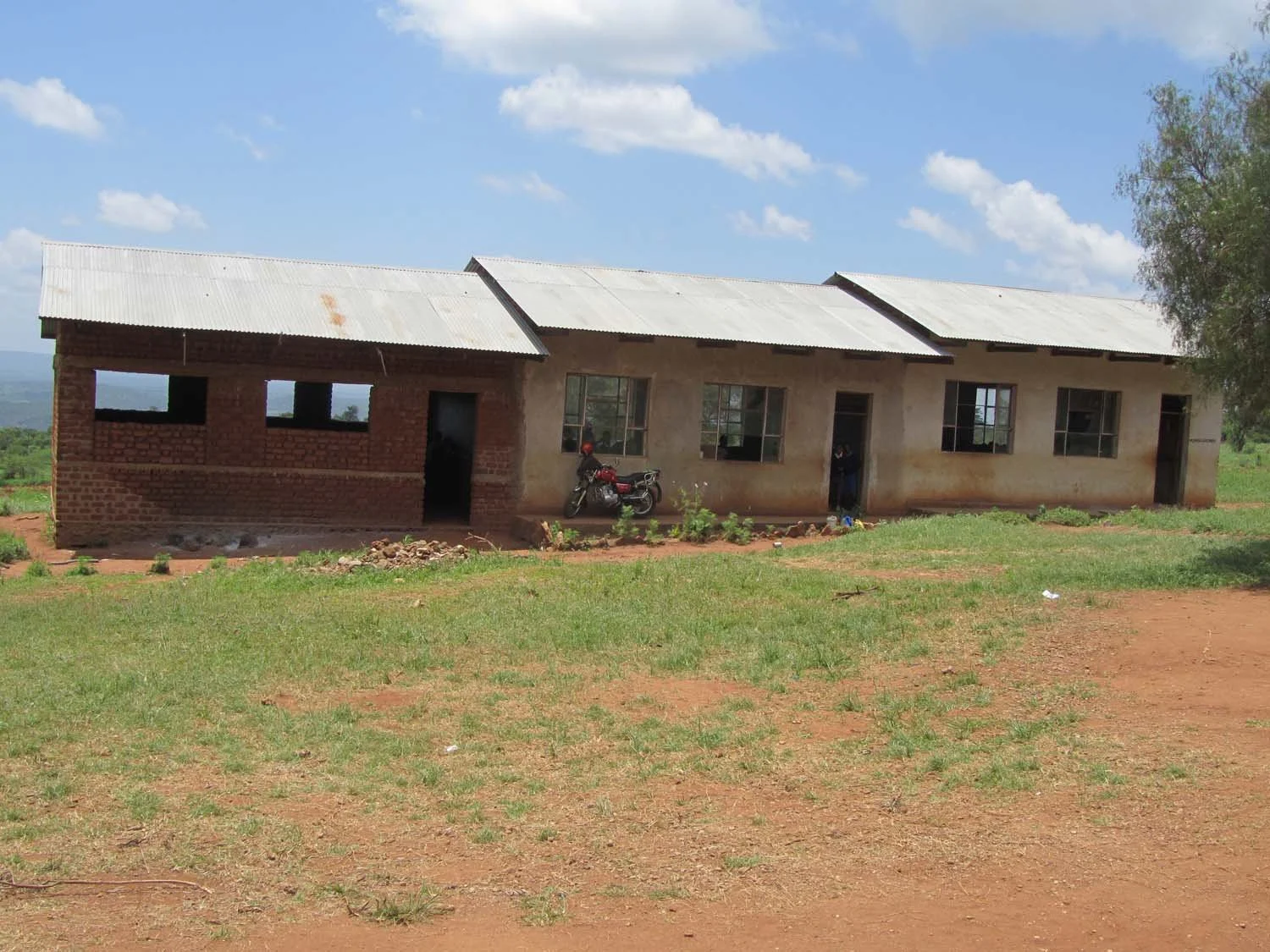
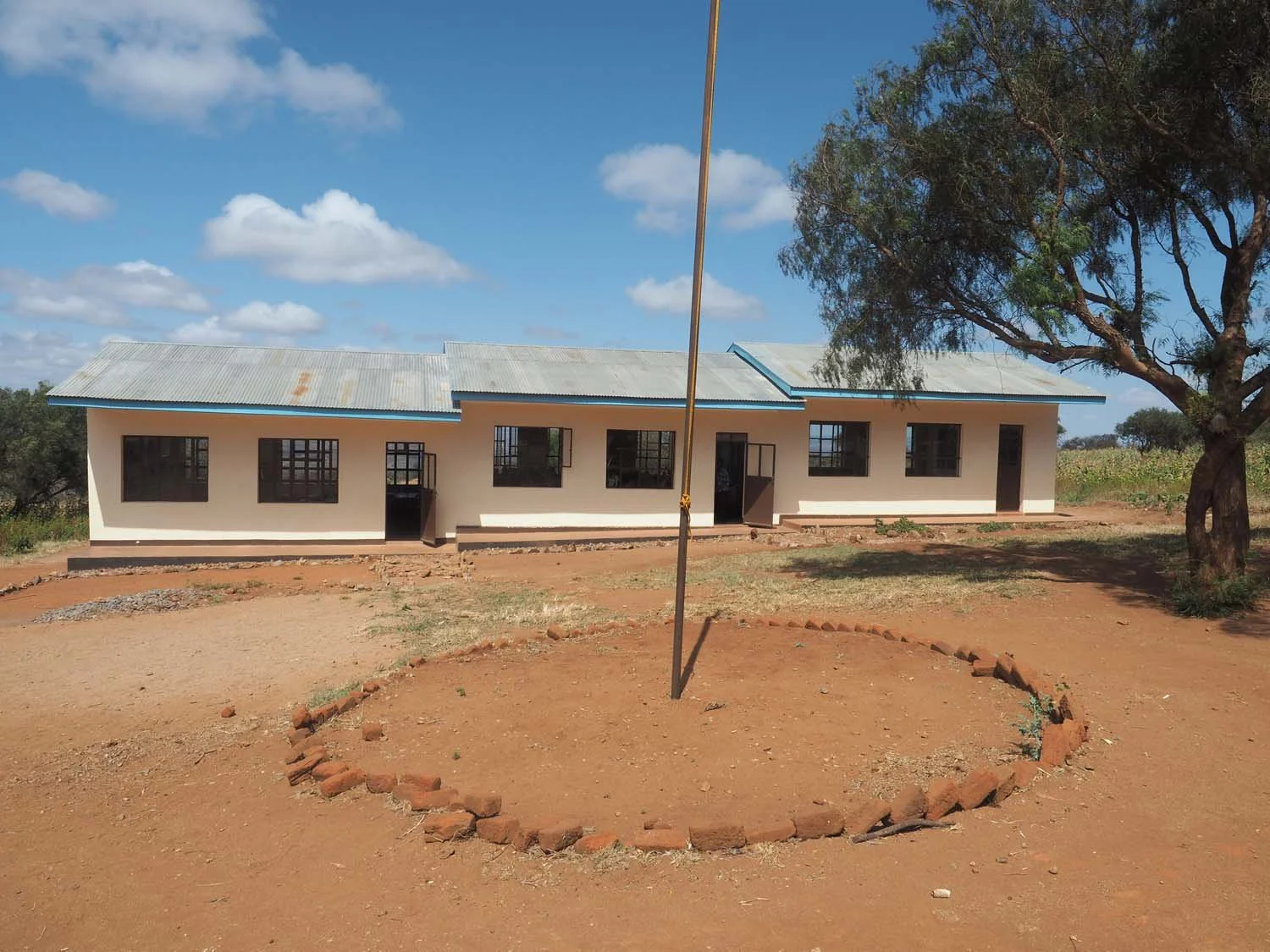
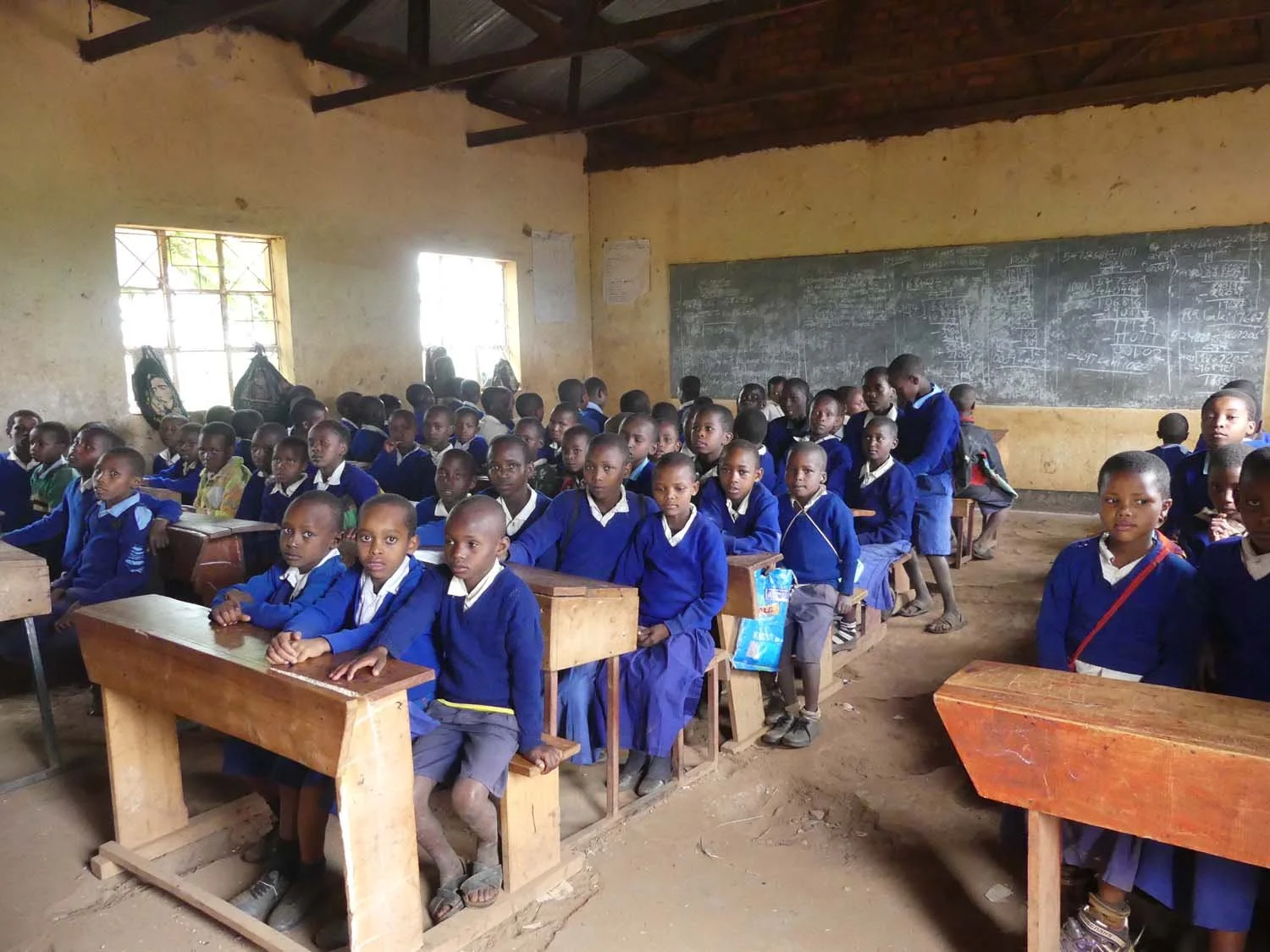
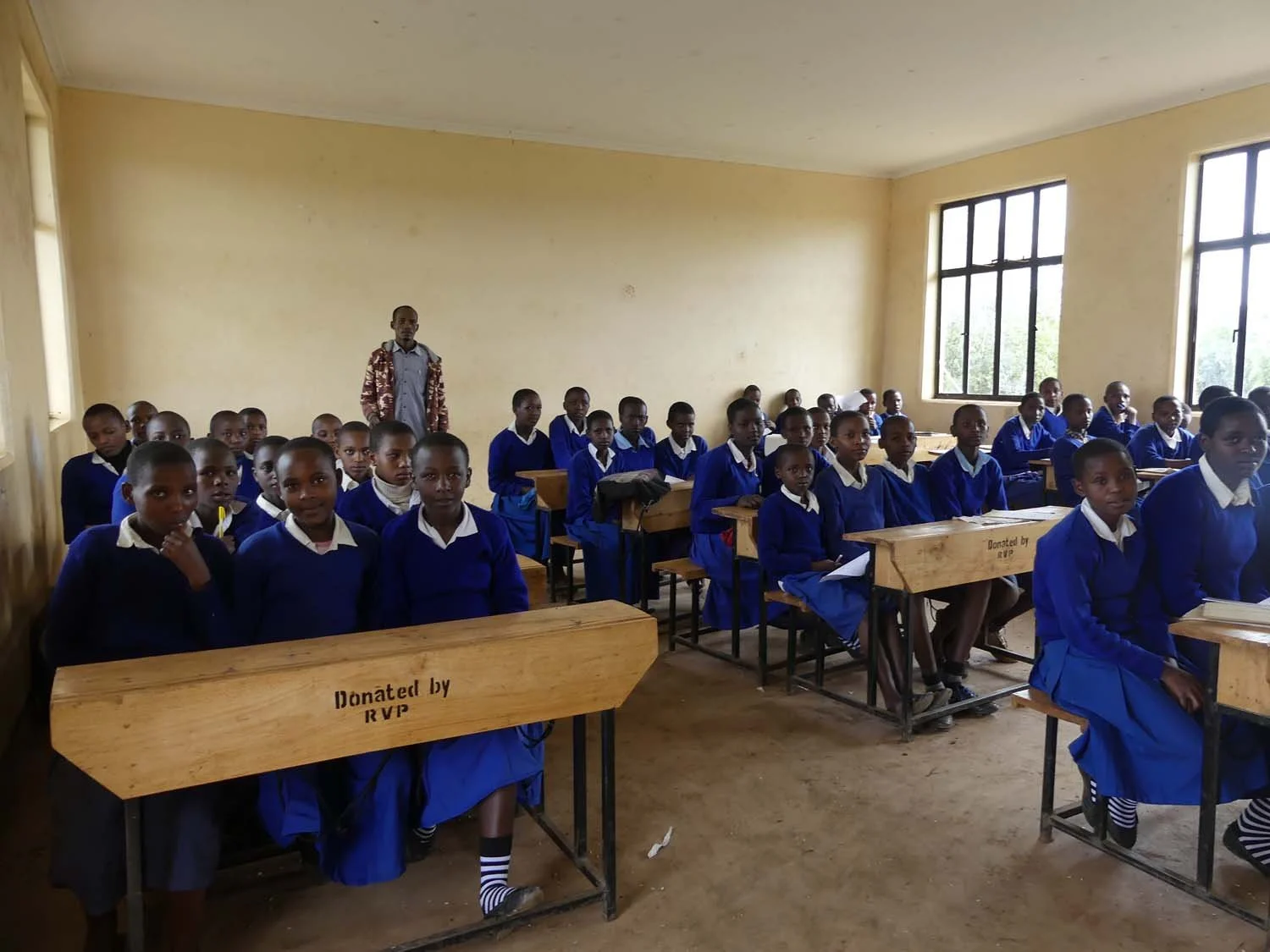
When RVP founder, David Newman first arrived at Gijega Primary School in 2016, the school had too few classrooms and the existing ones were in poor condition. After completing the water project, the community and RVP partnered to renovate the existing classrooms. This included refinishing the floors, repairing ceilings, replacing small windows with much larger ones, adding doors and applying fresh paint inside and out.
Students thrive when schools provide a learning environment that promotes a sense of self-worth and curiosity. The newly renovated classrooms were a huge improvement over the dark and gloomy classrooms they replaced.
2018: SCHOOL KITCHEN
Hunger is a major barrier to learning. Before 2018, many Gijega Primary School students arrived at school having not eaten since the previous evening. Even so, they were expected to walk long distances and complete a full day of classes.
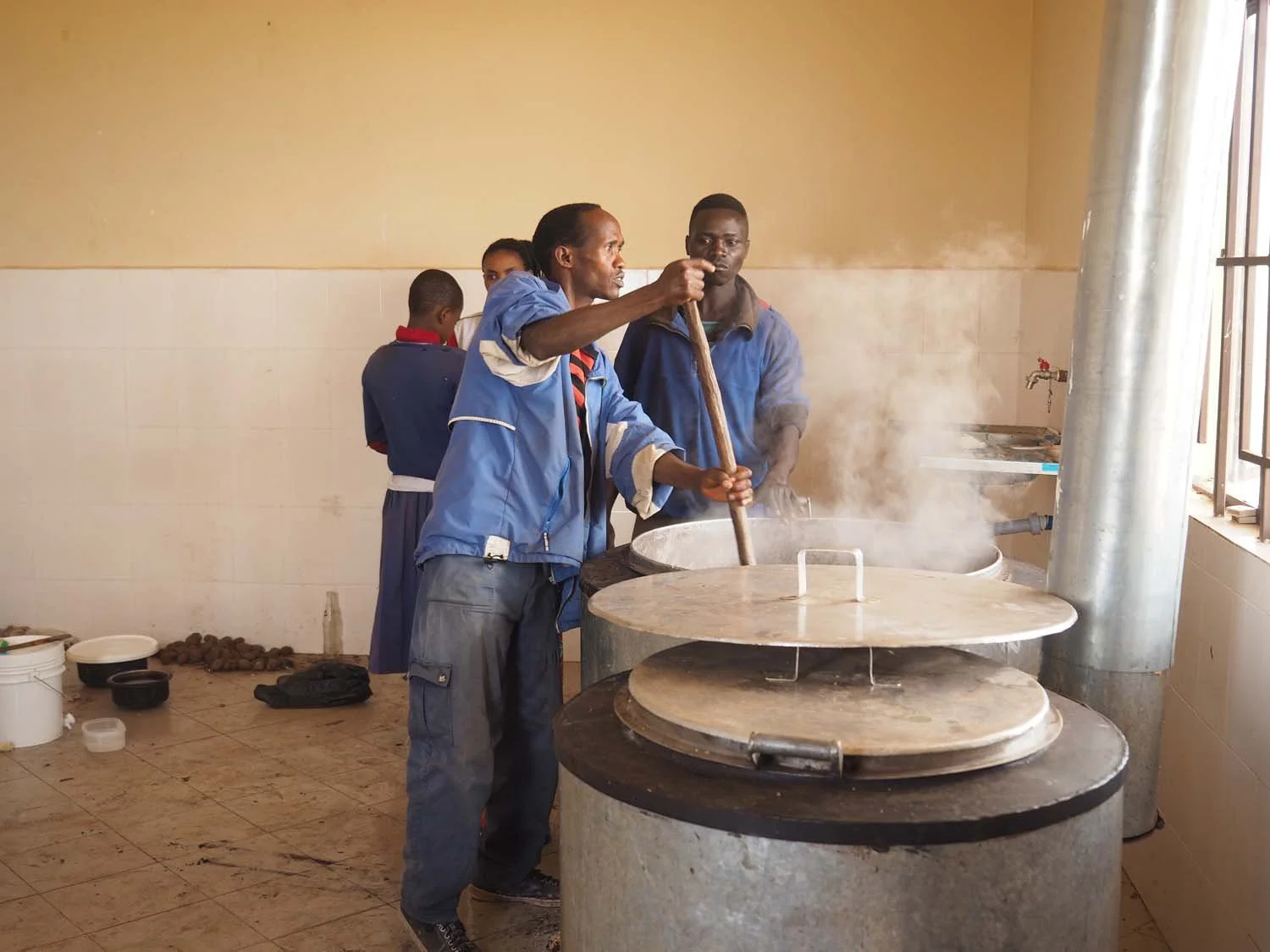
In 2017, teachers began a school lunch program, with parents donating maize and beans. Meals were initially prepared over open fires outdoors.
To support this effort, RVP partnered with the community to build a school kitchen.
This project reflects RVP’s Three “C’s” approach to development.
Community: The community identified the need.
Collaboration: The project is an ongoing collaboration between the community and RVP.
• Community members supplied labor, bricks, and firewood.
• Parents continue to provide food donations and cooking support.
• RVP funded the contractor, additional materials, and two fuel-efficient stoves.
Commitment: RVP and the community have committed to maintaining the school lunch program.
Today, more than 500 students receive a daily meal, helping them stay focused and ready to learn.
2019: NEW CLASSROOMS
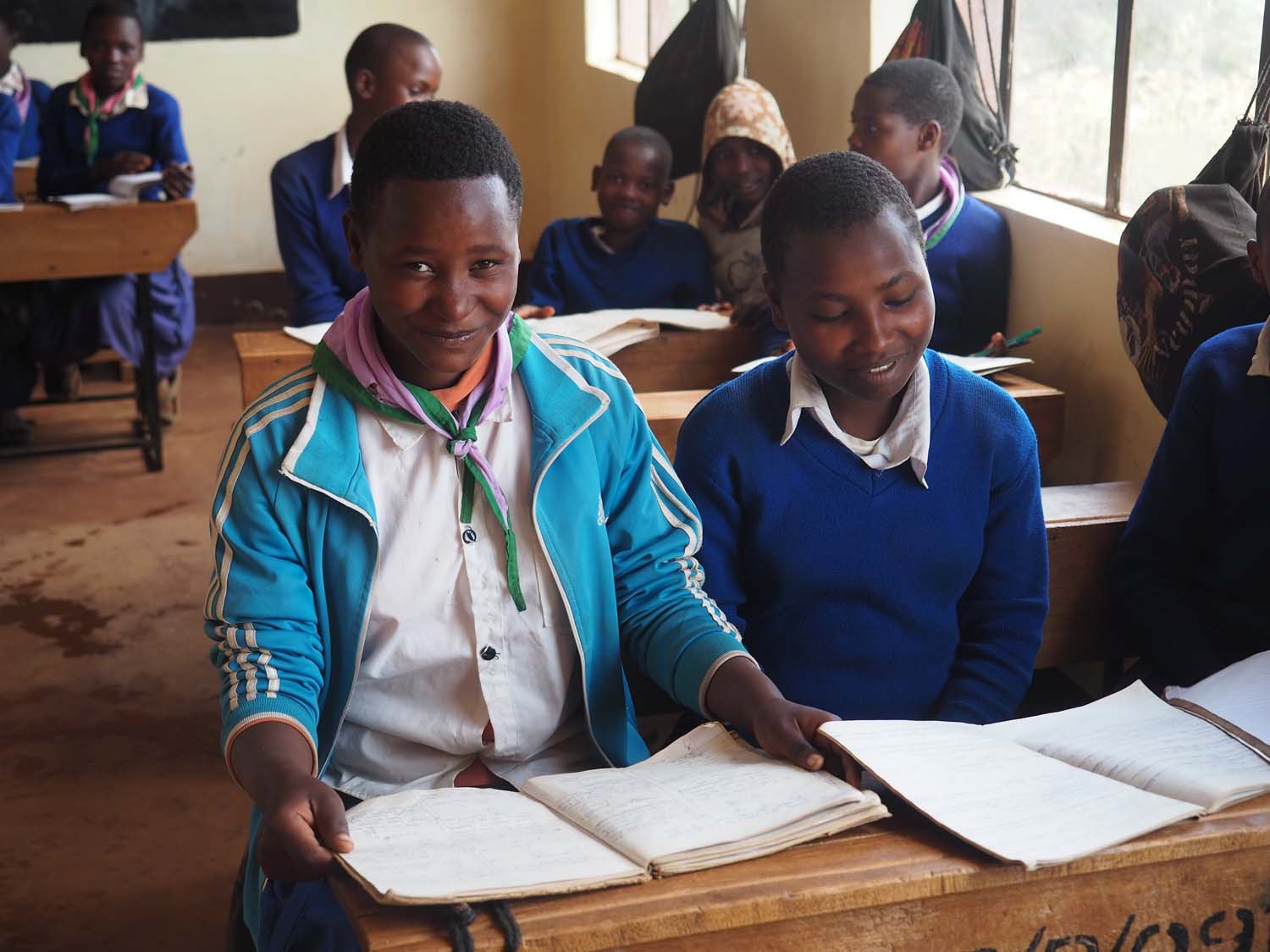
By 2018 enrollment had grown to over 500 students, creating severe overcrowding. With only seven classrooms available, class sizes often exceeded sixty students. Kindergarten classes were forced to meet outdoors in an open field.
Community leaders, teachers, and parents agreed that building additional classrooms was the school’s most urgent need.
Through a collaborative effort:
The community produced bricks and contributed labor.
The Rafiki Village Project provided project funding.
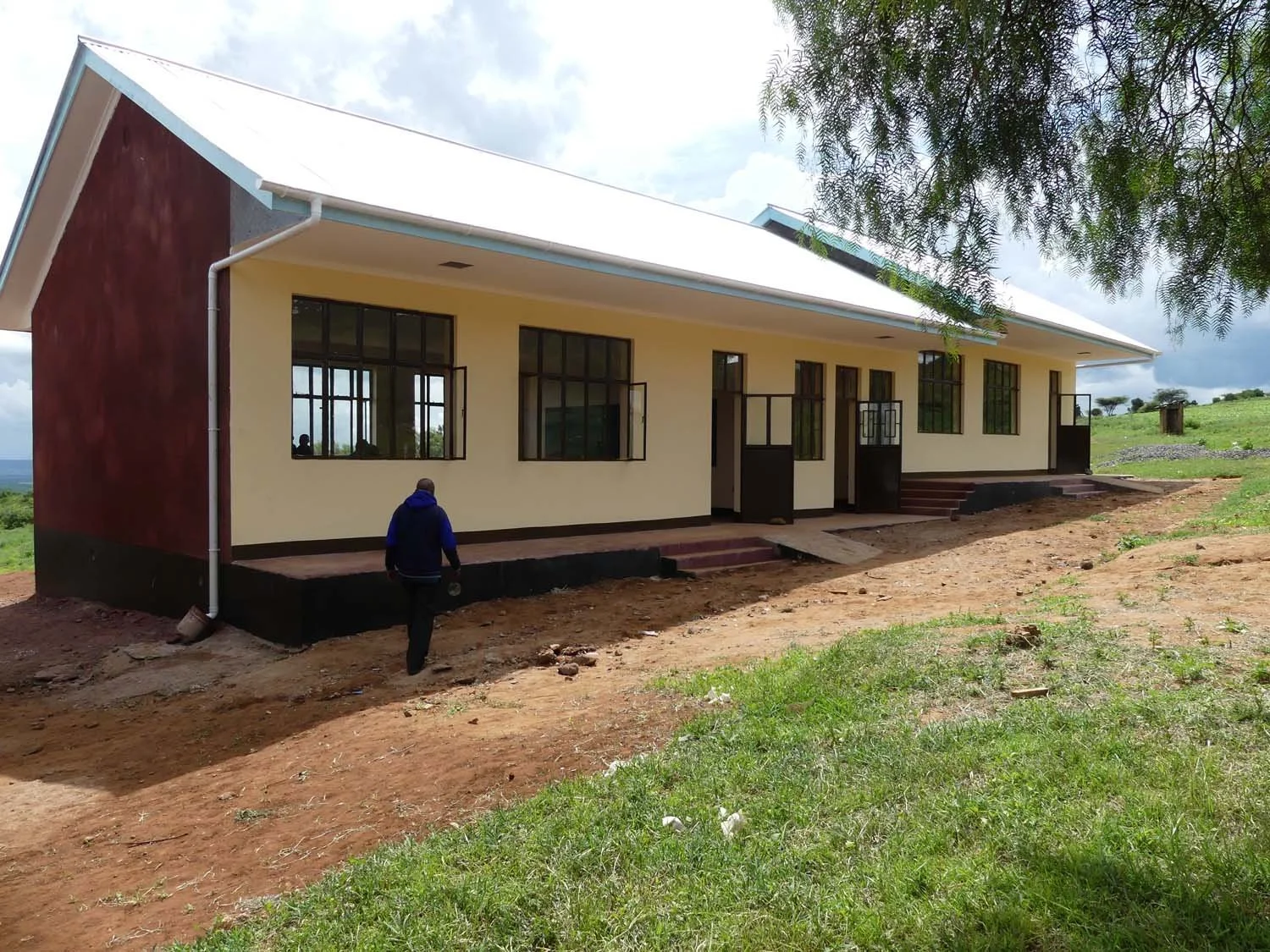
The new building includes two classrooms and a school office, significantly improving learning conditions and administrative capacity.
2019: HEAD TEACHER HOUSING
Across rural Tanzania, schools often provide on-site housing for teachers. This helps offset low salaries and makes it easier to recruit and retain qualified staff.
Housing is especially important in remote communities like Gijega, where teachers often travel long distances on foot, bicycle, or motorcycle. During the rainy season, roads frequently become impassable.
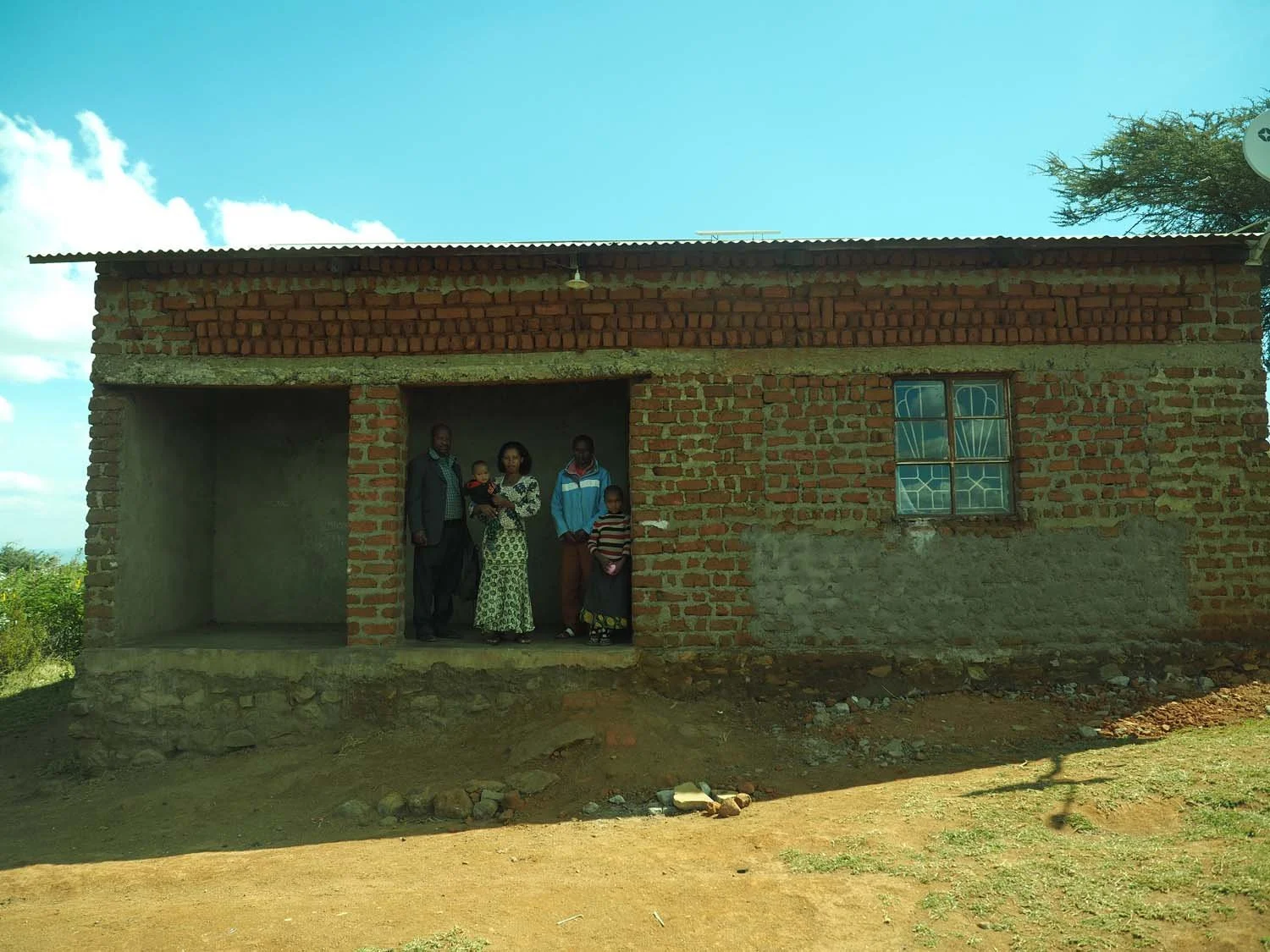
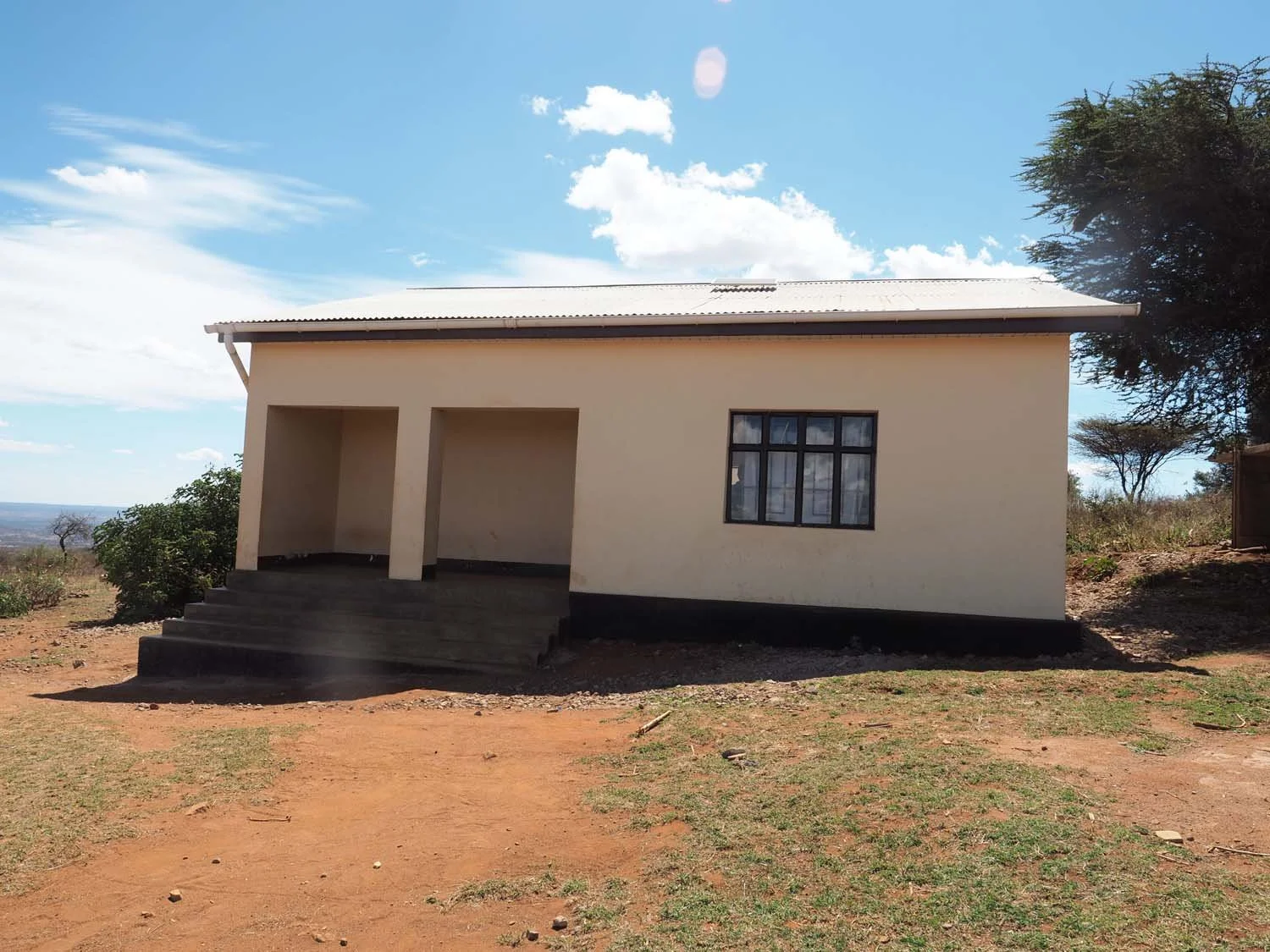
More than a decade ago, the government began construction on a head teacher’s house at the school but never completed it. At the community’s request, the Rafiki Village Project helped finish the building in 2019. Having the head teacher and family living on campus benefits the school in several ways:
Improves security
Allows school land to be cultivated
Enables ongoing maintenance and supervision
Strengthens connections between the school and the community
2021: STUDENT TOILETS
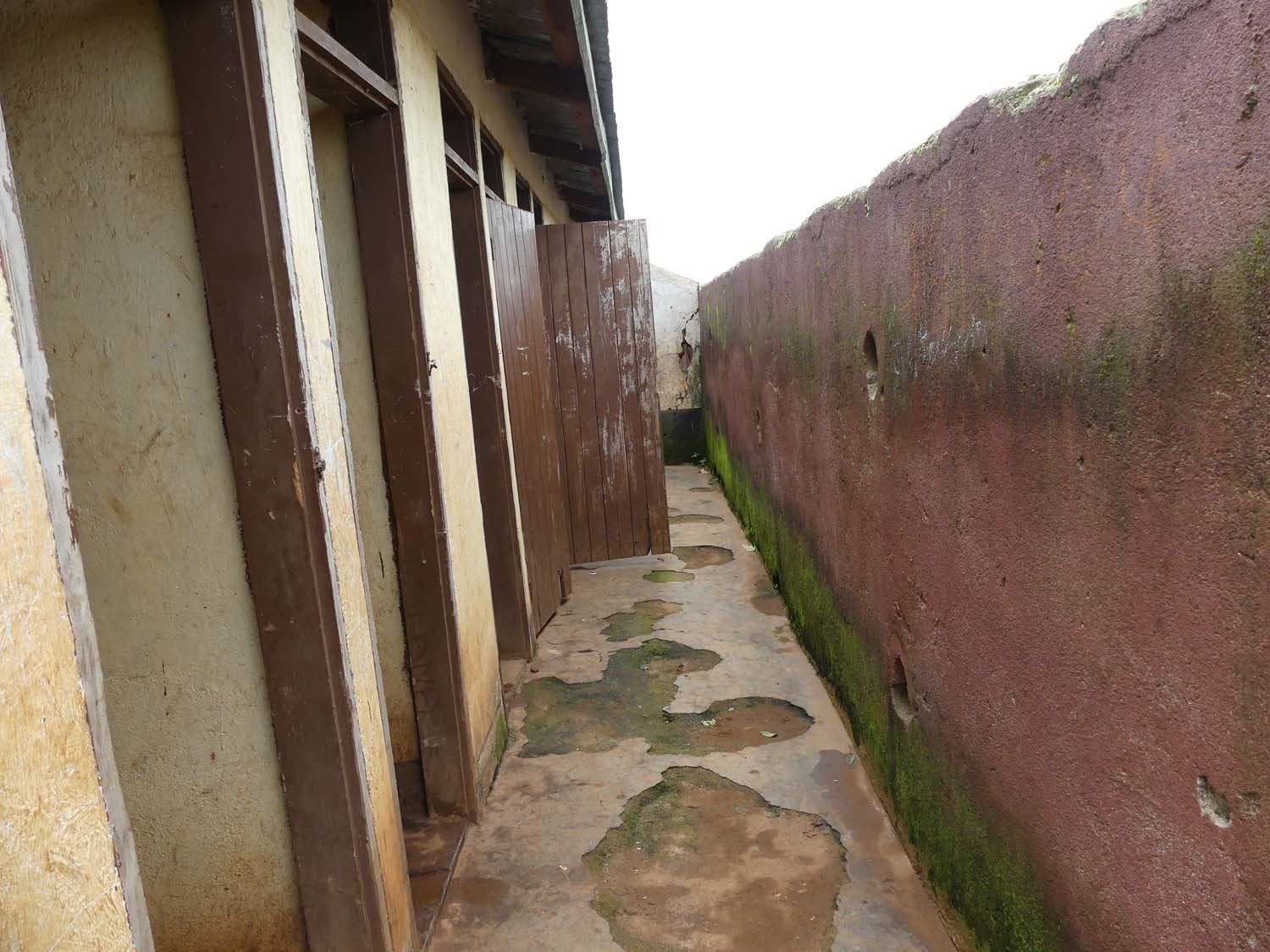
Prior to 2021, Gijega’s students were using unsanitary and unsafe pit toilets. Children either washed their hands in a communal water bucket or wiped their hands on the ground if no water was available. In 2010, the United Nations recognized access to safe drinking water and sanitation as a fundamental human right, forming the basis of global WASH (Water, Sanitation and Hygiene) initiatives, such as this project.
Lack of adequate sanitation contributes to:
Infectious disease
School absenteeism
Poor academic performance
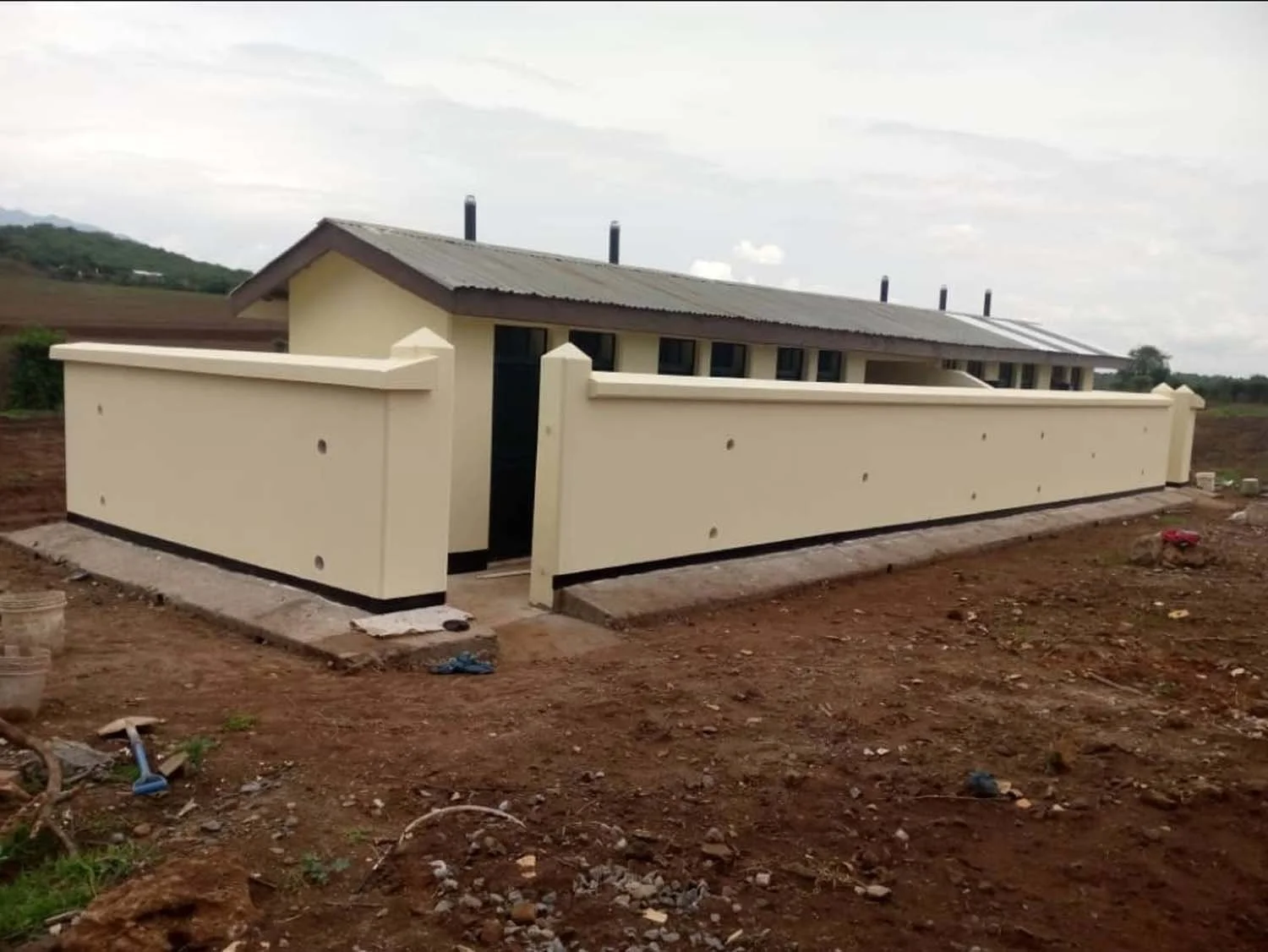
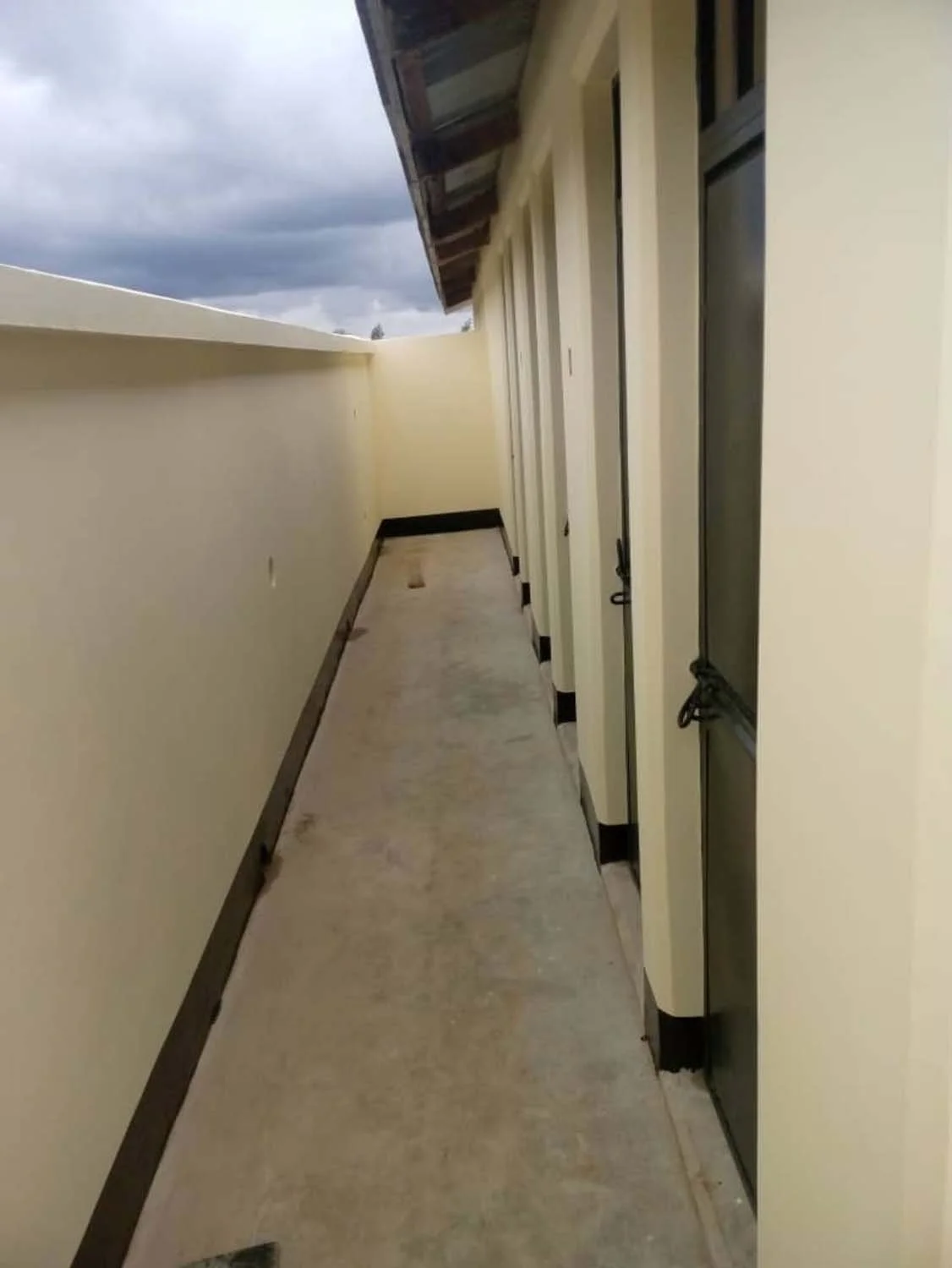
To address this problem, the old structure was torn down and 24 new pit toilets were constructed with:
Secure doors
Washable floors and surfaces
Improved safety and privacy
A dedicated room for children with access challenges
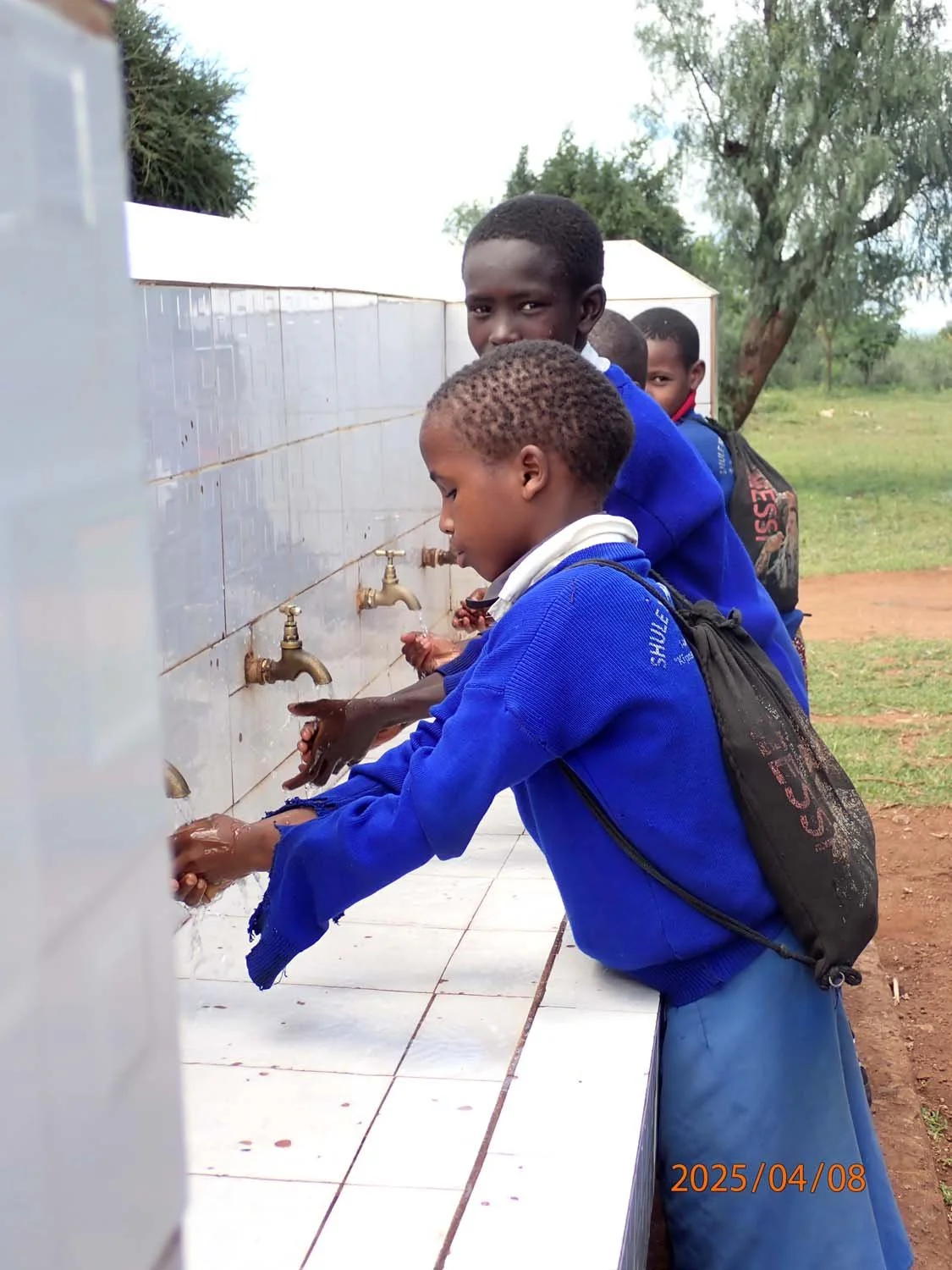
A multi-tap handwashing station was also installed. Because the school already had access to piped water from the 2016 water project, students can now wash their hands with running water after using the facilities. Improved WASH has significantly improved student health, attendance, and hygiene.