
Stipends Program
Impact Statement
More than $50,000 invested since 2017 — Quarterly stipends to six schools and Dumbeta Dispensary have provided flexible funding where it is needed most.
Filling the gap — Stipends supplement government capitation funds, ensuring schools have basic supplies and the dispensary has medications to treat patients.
More teachers in the classroom — Stipends fund volunteer teachers — qualified graduates waiting for government assignment — reducing overcrowding and improving instruction.
A stronger dispensary — Better-stocked medications and essential medical equipment mean patients from Dumbeta Ward receive quality care that exceeds what is available in neighboring wards.
Flexible by design — Institutions decide how to use the funds, ensuring money addresses the most urgent local needs rather than priorities set from afar.
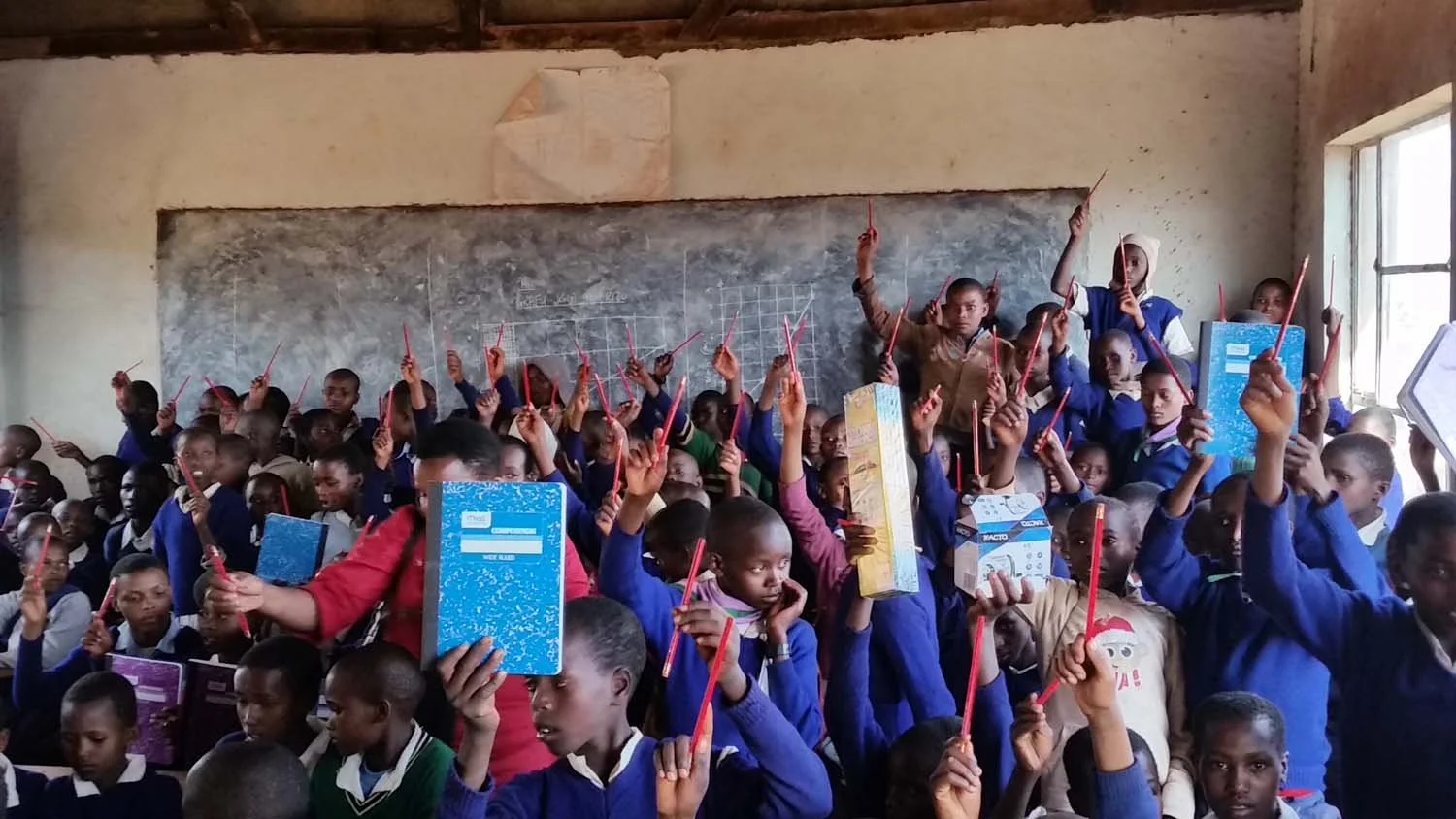
Since 2017, the Rafiki Village Project has provided a quarterly stipend of $250 to each of the schools it works with and $500 to Dumbeta Dispensary. The institutions have complete discretion over how the funds are used, provided expenditures benefit the community as a whole rather than individuals. Every expenditure is documented, and RVP receives a quarterly report detailing how the funds were used.
The Tanzanian government provides schools and the dispensary with a capitation fund—a fixed amount based on the number of students or patients served. However, these allocations are rarely sufficient to cover the institution’s basic operating costs. Consequently, schools lack textbooks, paper or even chalk, and the dispensary lacks antibiotics to treat common infections.
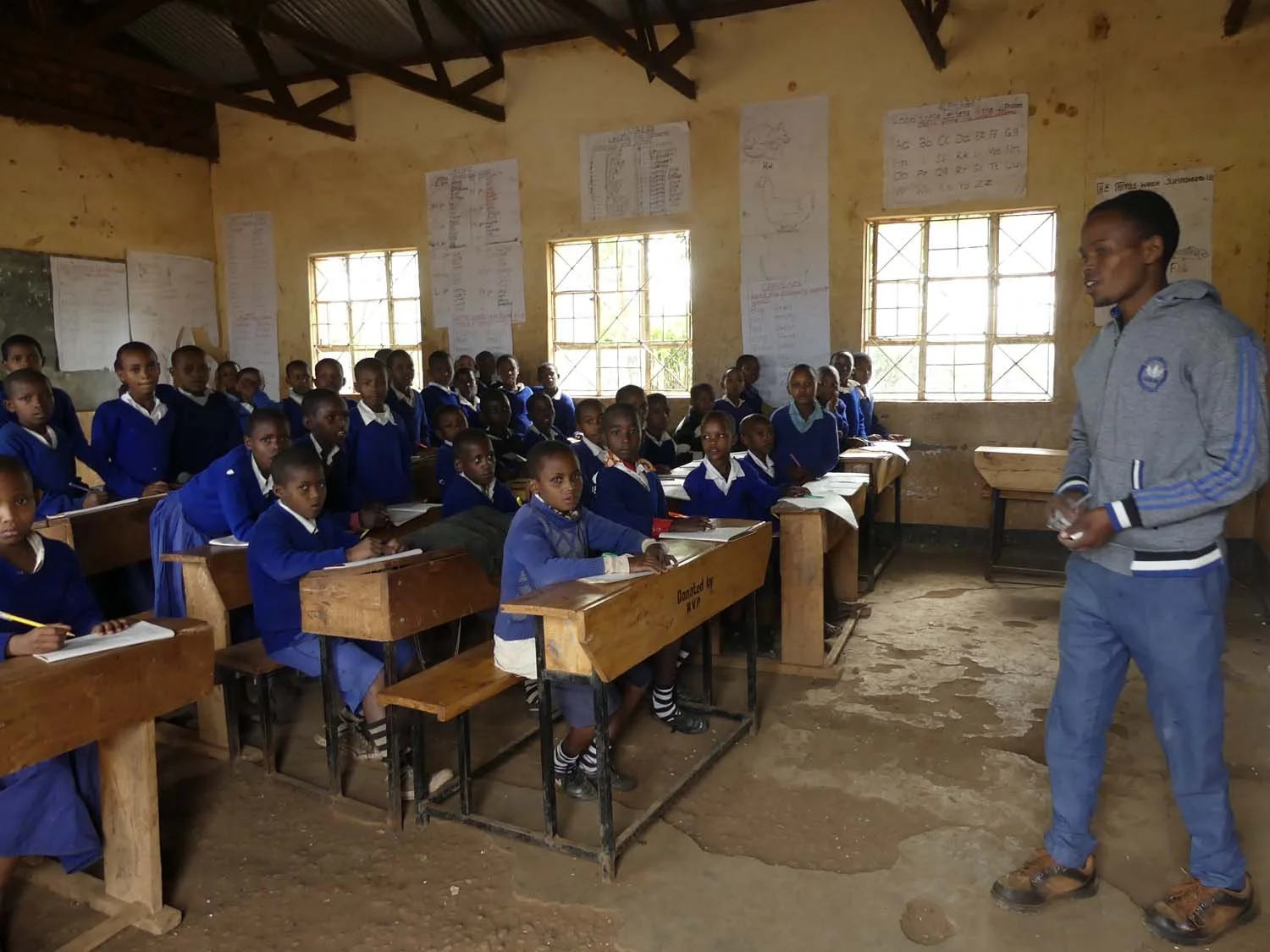
Schools have used their stipends in many ways — to purchase supplies, to maintain facilities, and to pay bills. One of the most important uses has been to pay the salaries of “volunteer” teachers. Like many rural Tanzanian schools, those in Dumbeta Ward do not have enough teachers for the number of students enrolled, despite thousands of qualified teaching graduates sitting idle, waiting for their first government assignment. The stipends allow schools to bring these educated, motivated young educators into overcrowded classrooms — improving instruction while giving the teachers valuable experience and a small income while they wait.
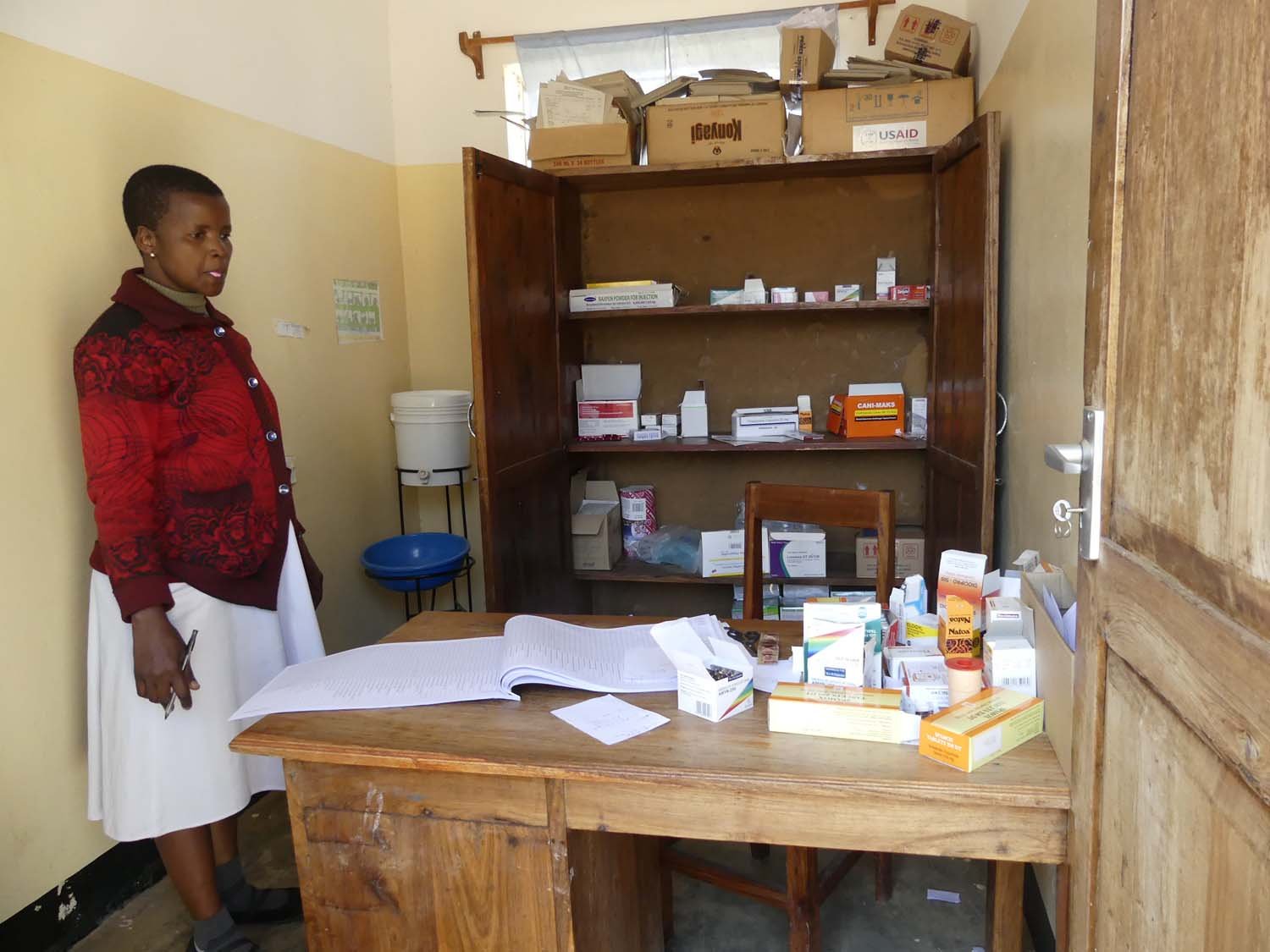
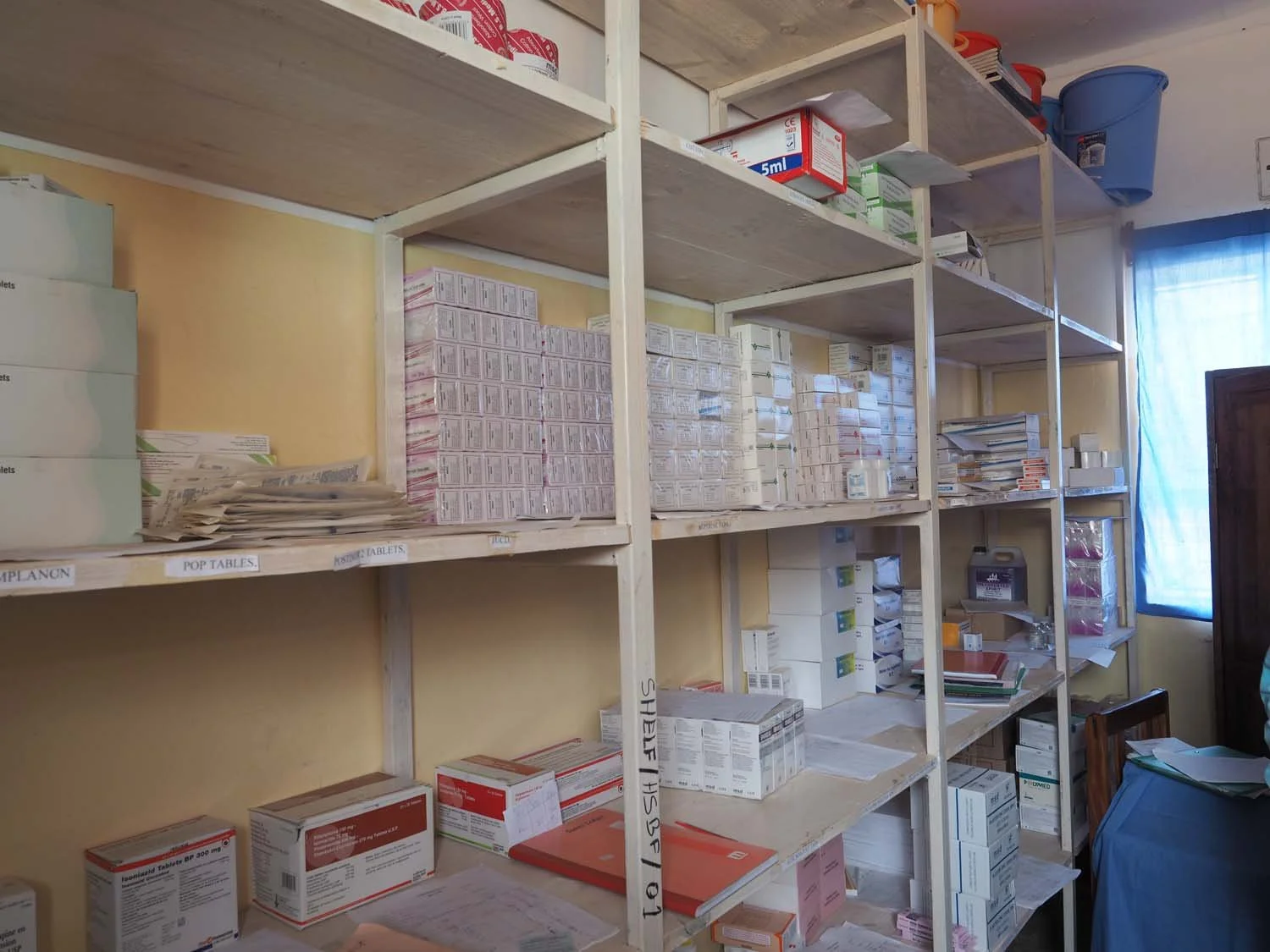
Dumbeta Dispensary has used its stipends to purchase badly needed medications and essential equipment, including an autoclave for sterilization, Doppler devices for fetal monitoring, and a refrigerator for storing vaccines. The ability to stock a broader range of medications has been transformative because many diseases that would have gone untreated are now being treated. This has been so successful that patients now travel long distances from outside the ward to receive care unavailable at their local clinic.
Since 2017, RVP has invested tens of thousands of dollars in Dumbeta Ward’s institutions, making them stronger in the process. The health of the community and the education of its children have measurably improved as a result. Few expenditures we make have a broader or more immediate impact on the daily life of the community.
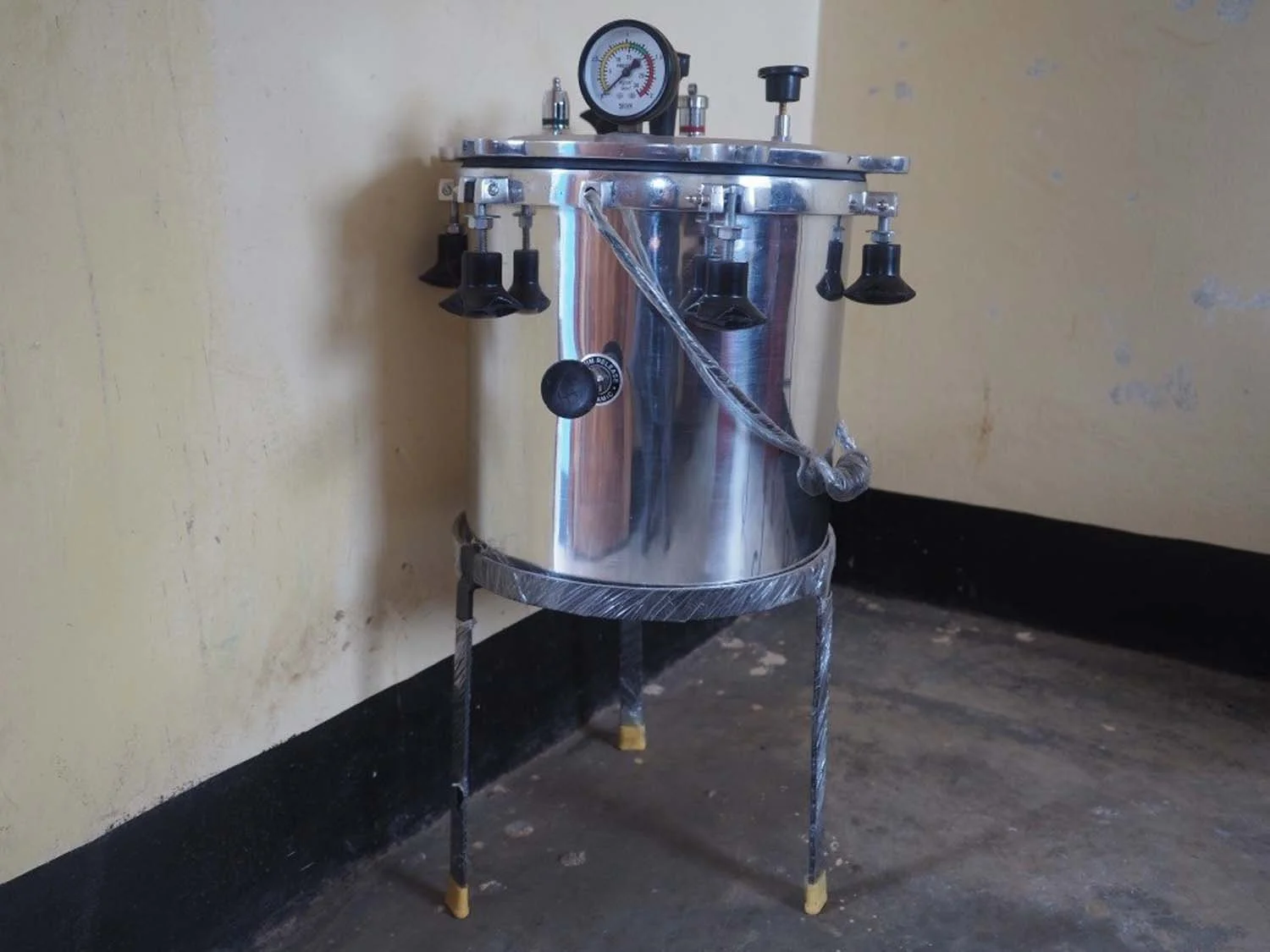
Autoclave purchased with stipend.