Water Projects
Impact Summary
Clean water access established at Gijega Primary School (2016) and Lamay Primary School (2019), helping to ensure that all of Dumbeta Ward’s schools have on-site running water.
Increases in-class learning time by eliminating long walks previously required to collect and transport water.
Supports school meal programs by providing water needed for food preparation and kitchen clean-up, enabling schools to prepare nearly 2,000 student lunches each day.
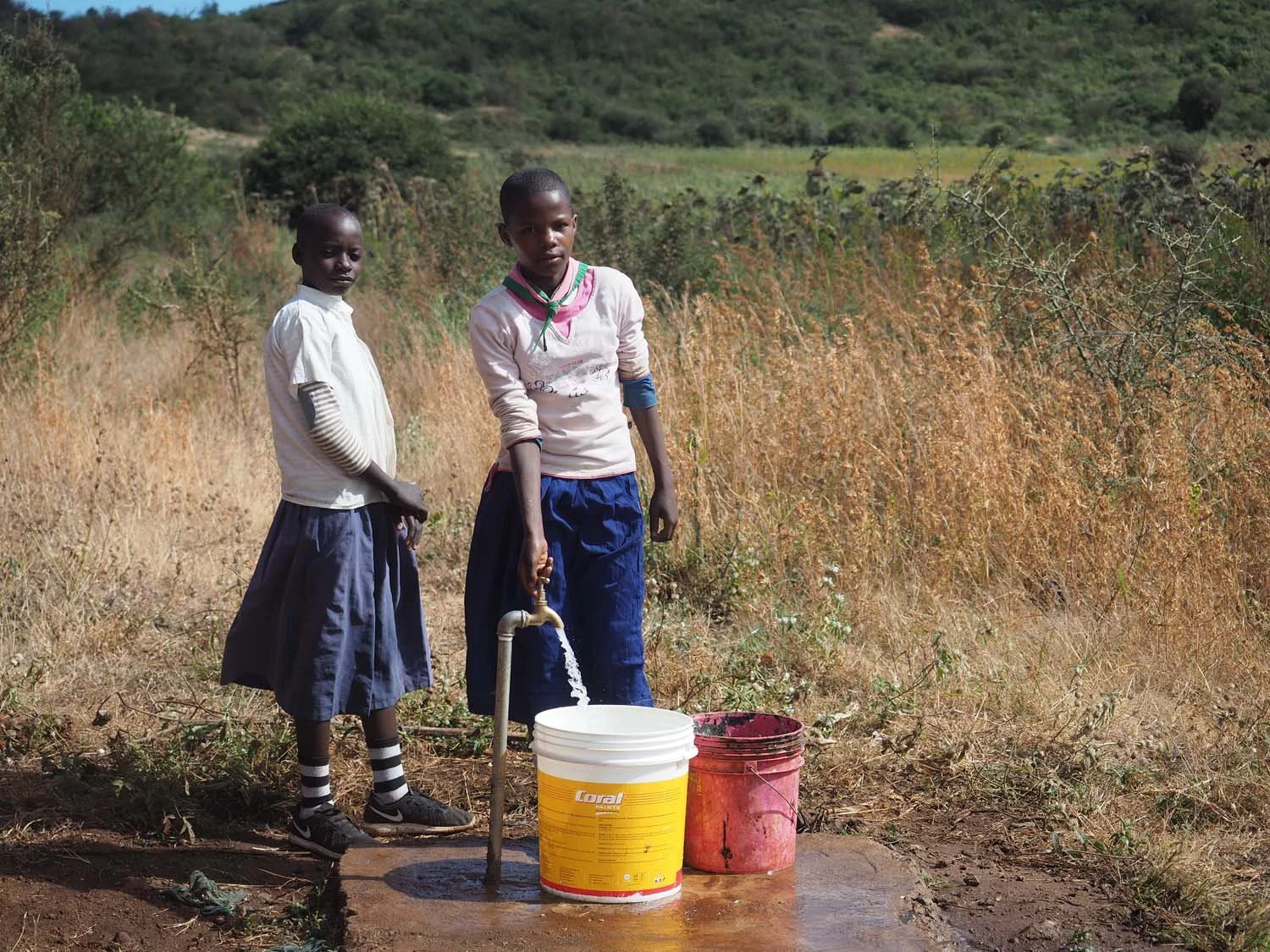
Promotes WASH (Water, Sanitation, and Hygiene) by supplying water for toilets and handwashing stations at schools and the dispensary.
Makes school gardens possible, supporting improved nutrition and hands-on agricultural learning.
Strengthens resilience to climate change by improving reliable access to safe water in an increasingly dry region.
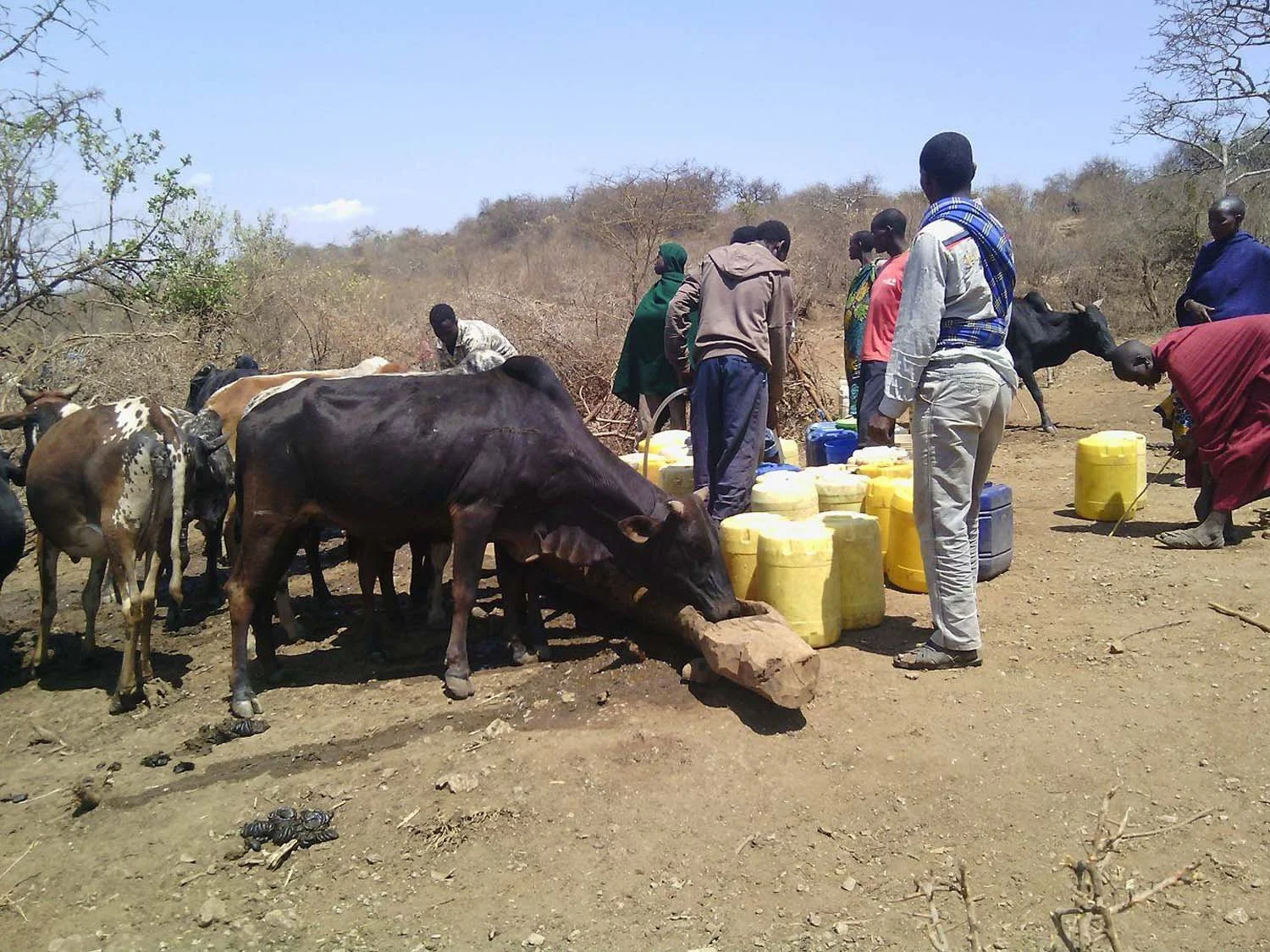
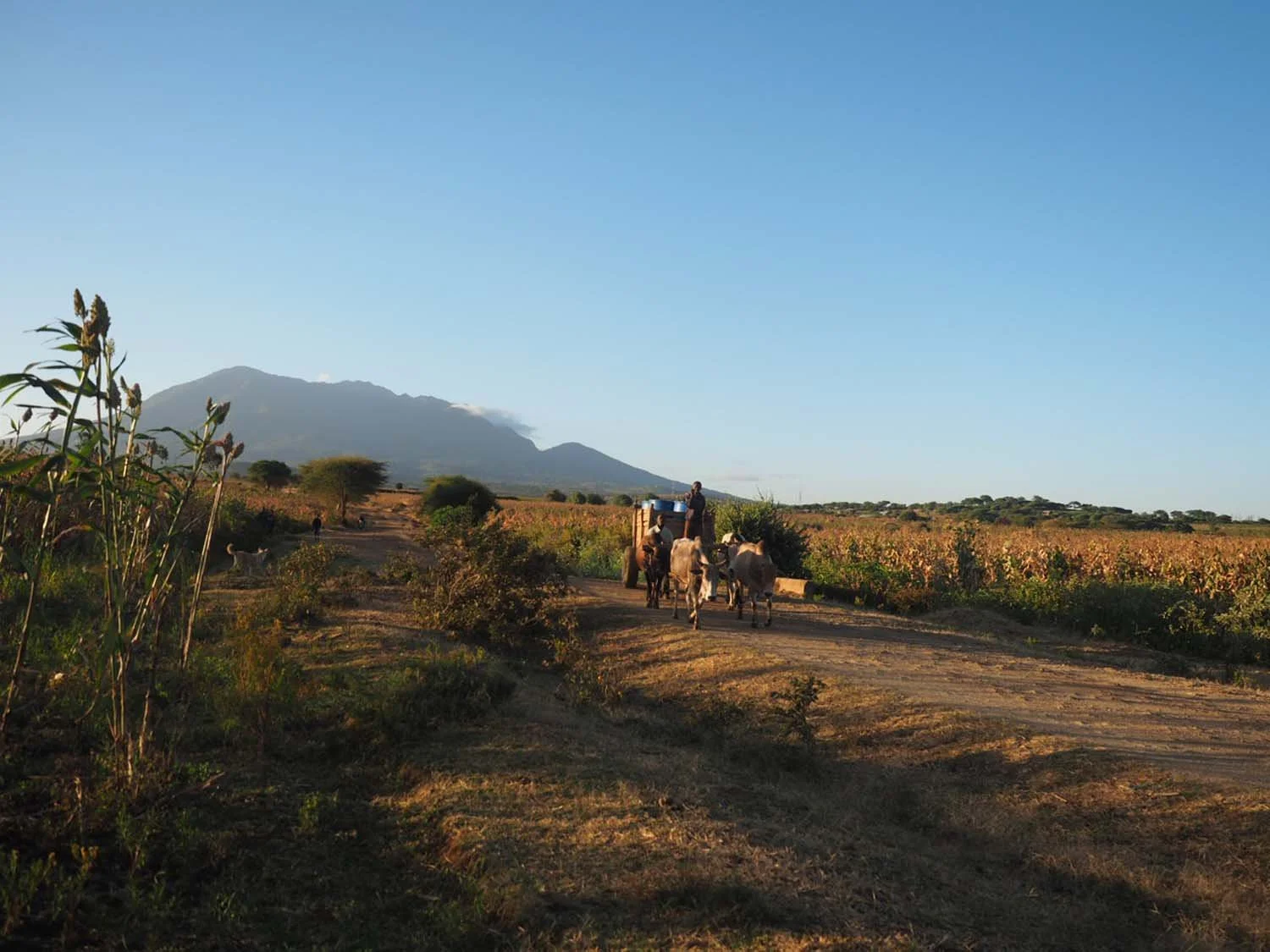
Water is life. This is especially true for subsistence farmers and semi-nomadic pastoralists. Without sufficient water, crops wither and livestock die. When asked about the challenges they face, Dumbeta Ward’s residents almost always answer, “Water! Even during years of adequate rainfall, water distribution points are far apart and often a long distance from family homes. Climate change is resulting in drier years, thereby worsening water insecurity for Dumbeta Ward’s residents.
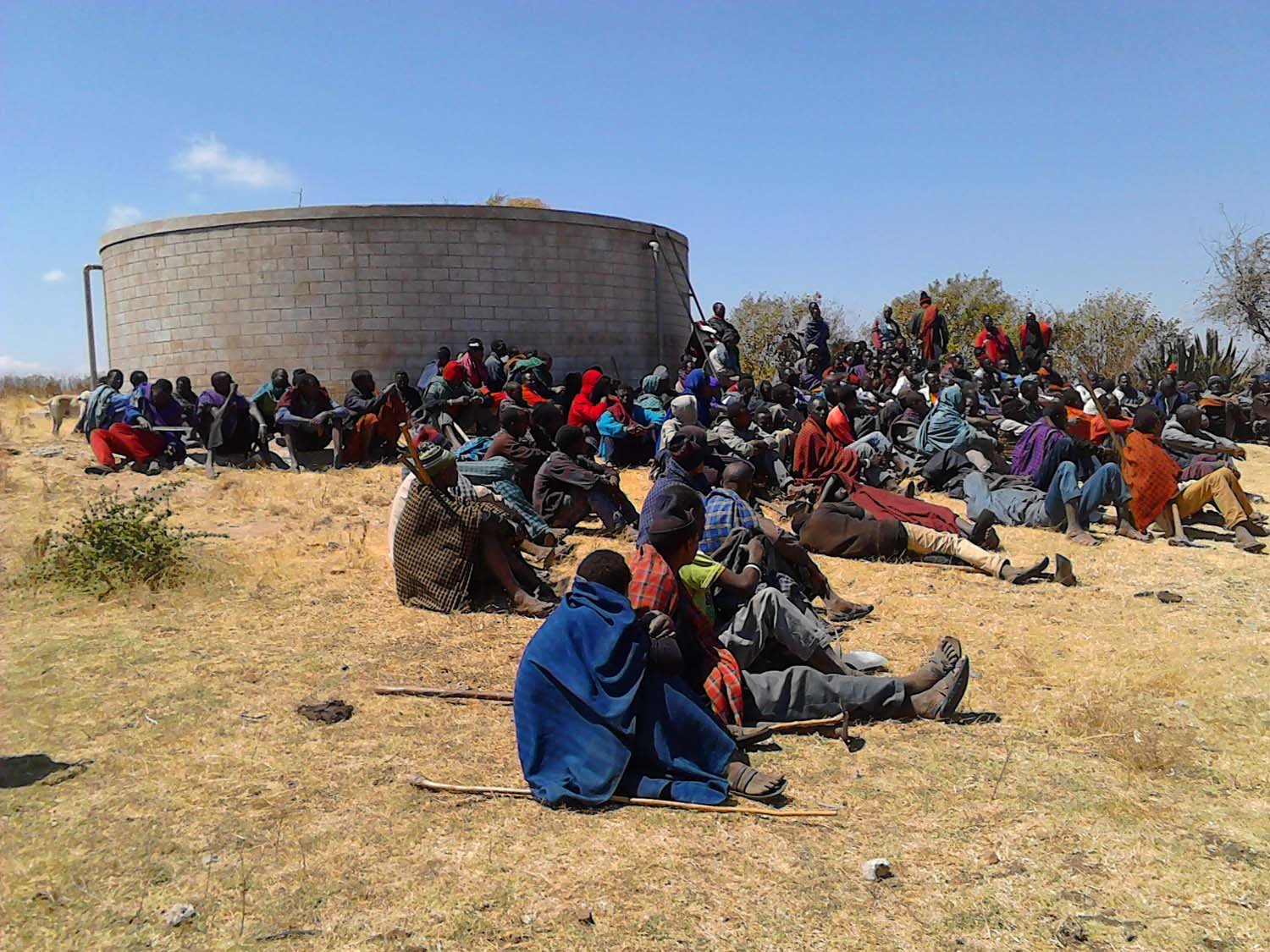
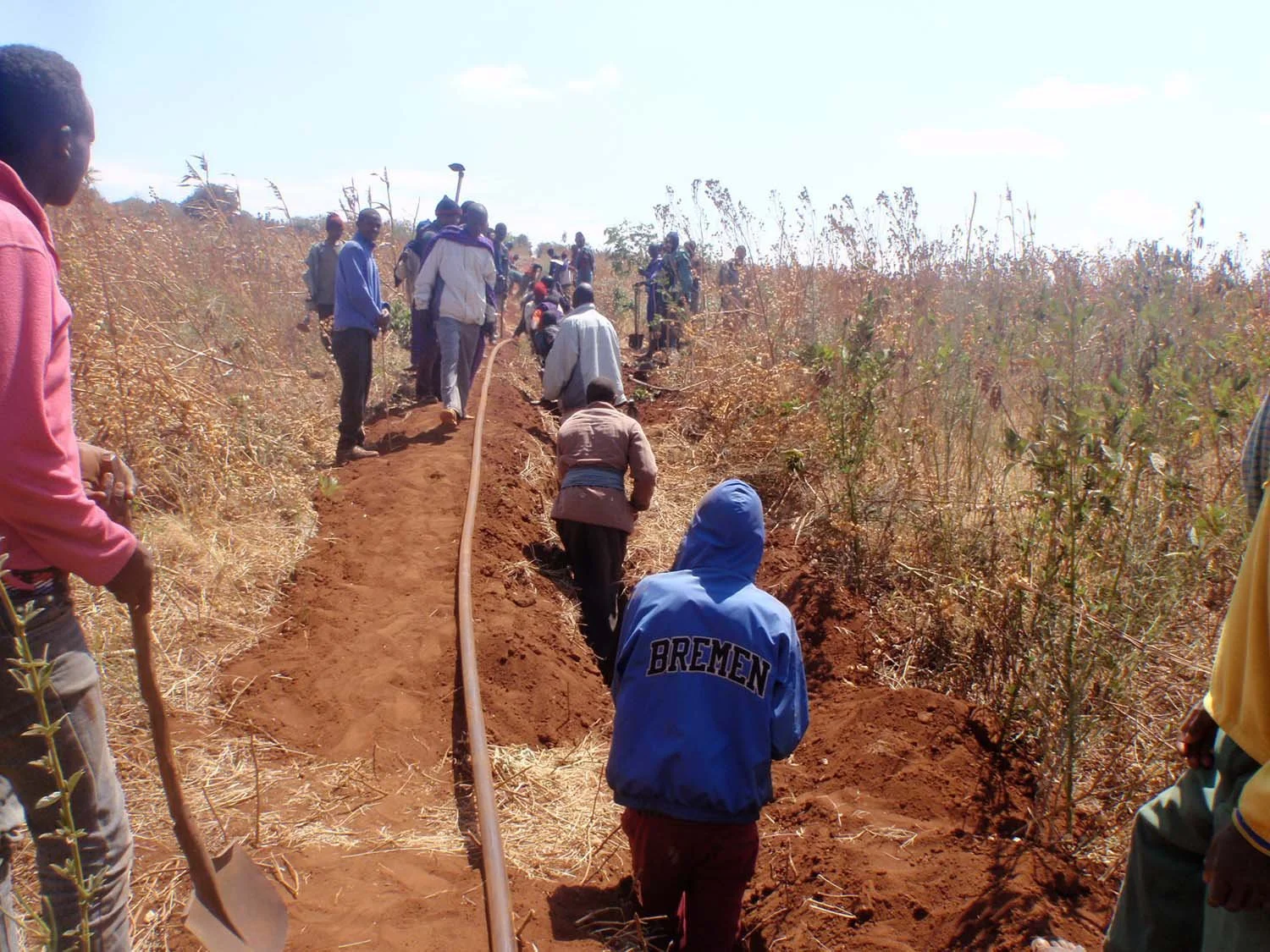
The residents of Dumbeta Ward have consistently asked the Rafiki Village Project for support in gaining access to clean, safe water. In 2016, our very first project was the construction of a pipeline that brought clean water to Gijega Primary School and the surrounding community. Before the project, students and families collected water from an untreated source located several miles from the school.
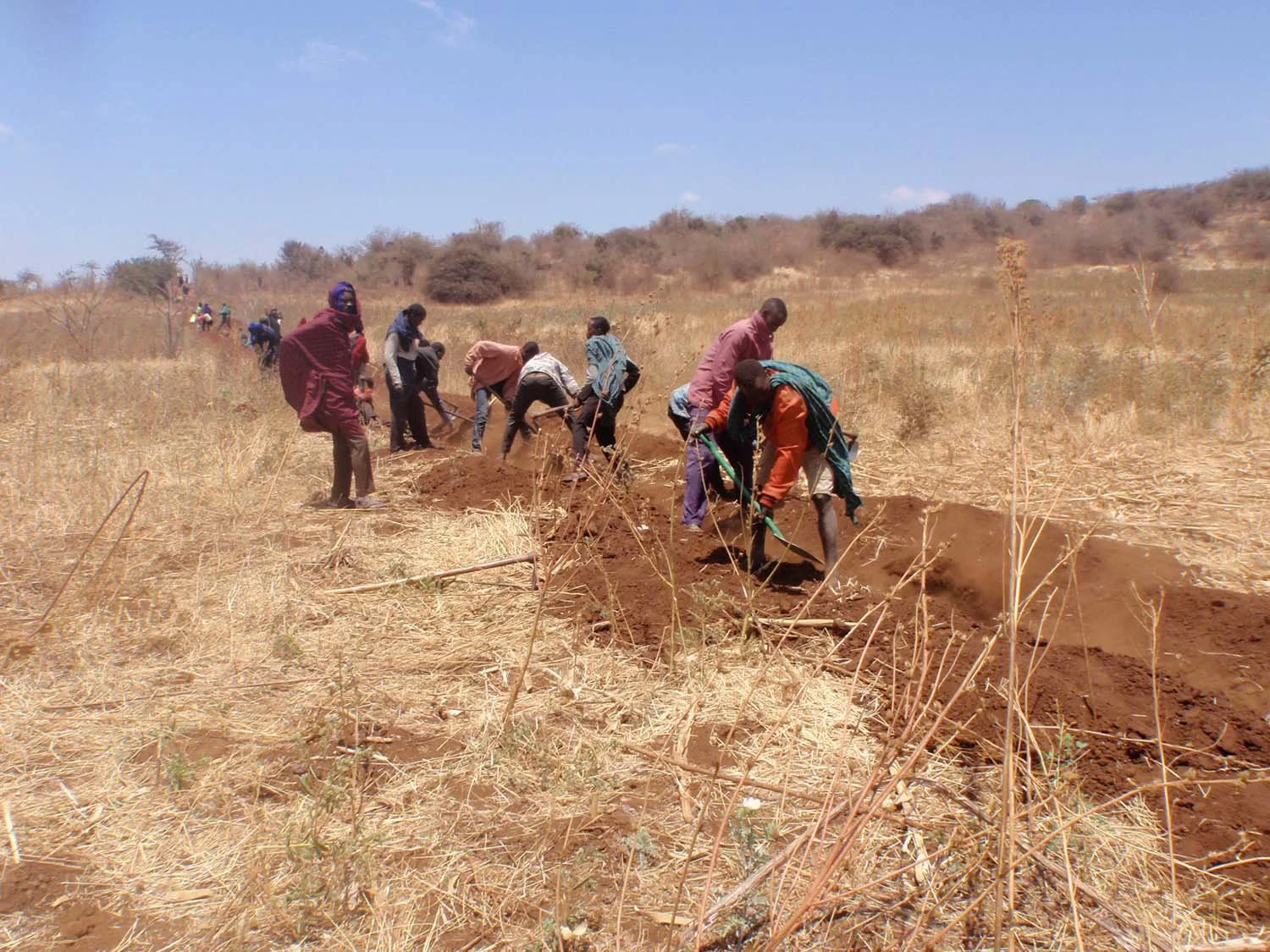
Just two and a half miles uphill from the school stood a water tank supplied by a deep borehole. Although this public water source had existed for years, the community lacked the financial resources needed to build a pipeline to connect it to the school. The Rafiki Village Project hired a local water engineer to design and oversee the work and purchased the necessary piping and materials. Community members contributed their labor by digging the two-and-a-half-mile trench to bury the pipe.
On September 20, 2016, water began to flow. For the first time in the history of Gishaji Village, children and adults had access to safe drinking water at their school and in their homes—a milestone that continues to transform daily life in the community. In 2019, we took on a similar challenge, connecting Lamay Primary School to a public water source two miles away. Upon completion of this project, all the schools in Dumbeta Ward had on-site running water.
On-site water benefits the Ward’s schools in many ways. Without running water, the school kitchens that the Rafiki Village Project has helped construct would not be able to prepare the thousands of lunches they make every day. The sinks that the children use to wash their hands after using the toilet would not be possible without onsite water. Likewise, school gardens could not be irrigated.
Completed Water Projects
2016 – Gijega Primary School
2019- Lamay Primary School