
Our Story
The Rafiki Village Project began with a visit to Dumbeta Ward in 2016 by its founder, David Newman. Brought there by a love of foreign travel and a curiosity about cultures different from his own, he was immediately drawn to the warmth and hospitality of the people he met. He stayed with a Barabaig family and learned about their lives.
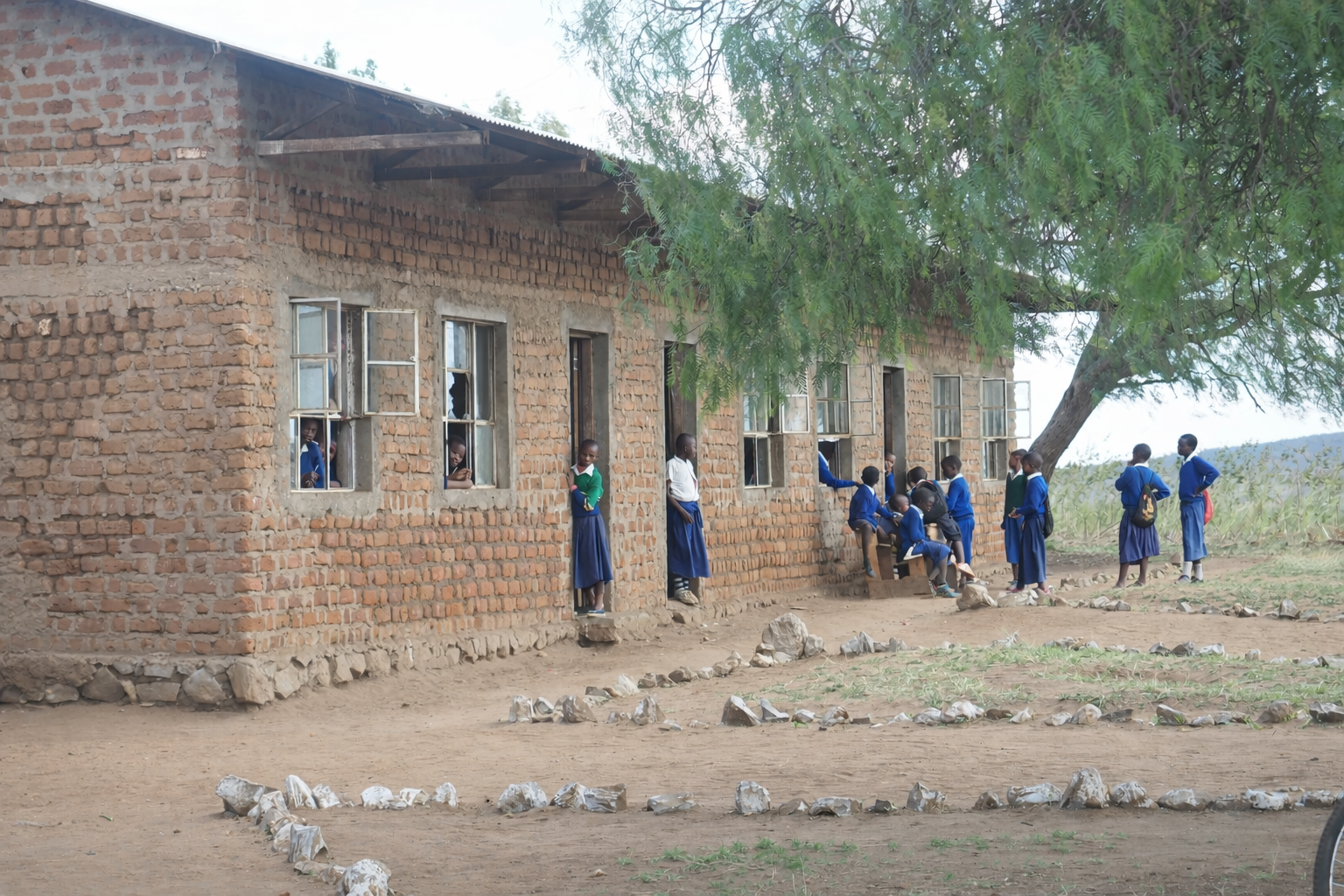
While out walking, he met a local schoolteacher who invited him to visit Gijega Primary School. Excited children swarmed around him, but the condition of the school was heartbreaking.
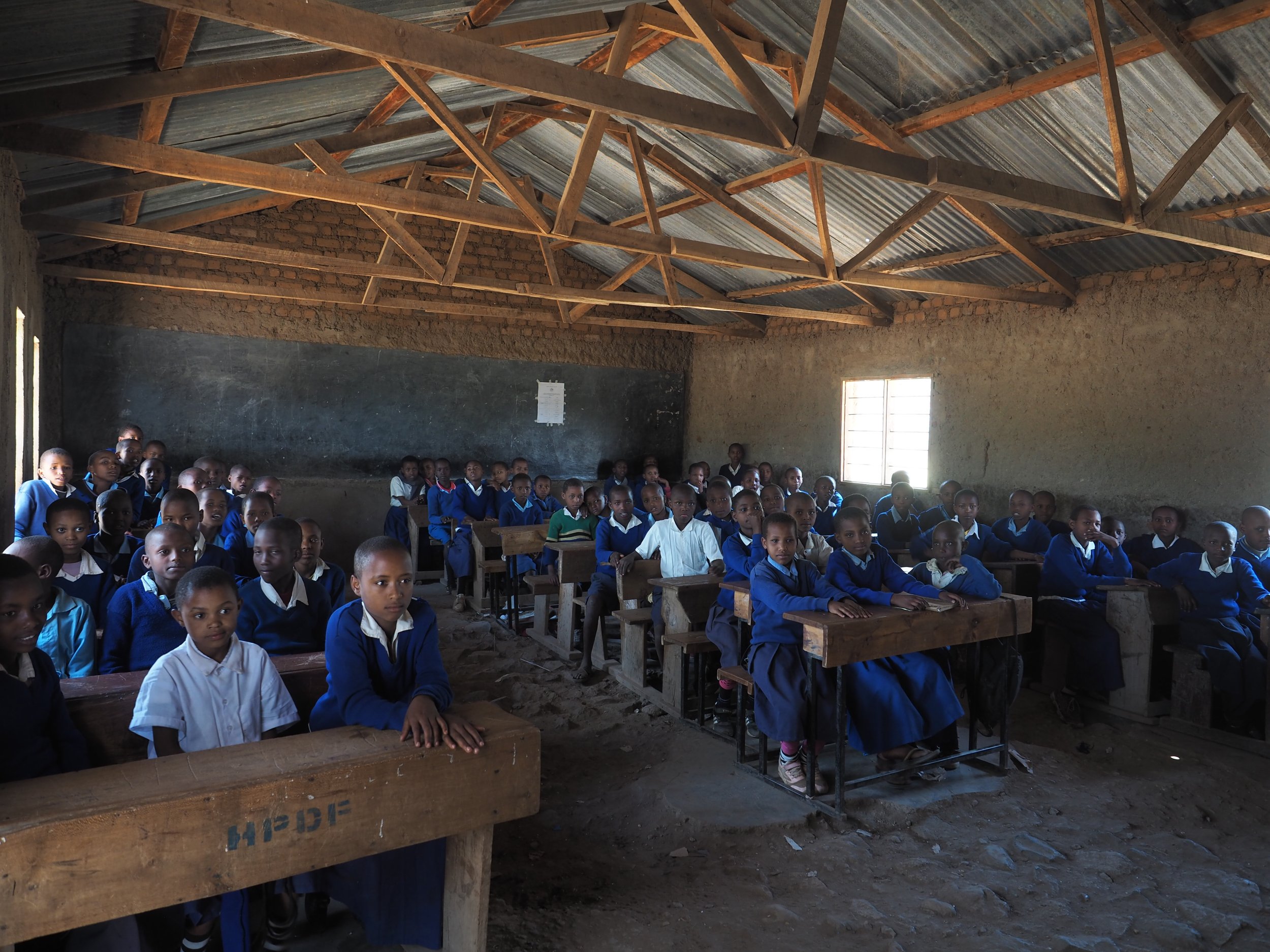
It had no running water or electricity. The dark and overcrowded classrooms were bleak and lacked basic supplies like books, pens, paper and art materials. The student and teacher toilets were unsanitary and in disrepair. Despite the obvious dedication of the teachers, and the students’ eagerness to learn, the challenges faced by the school seemed overwhelming.
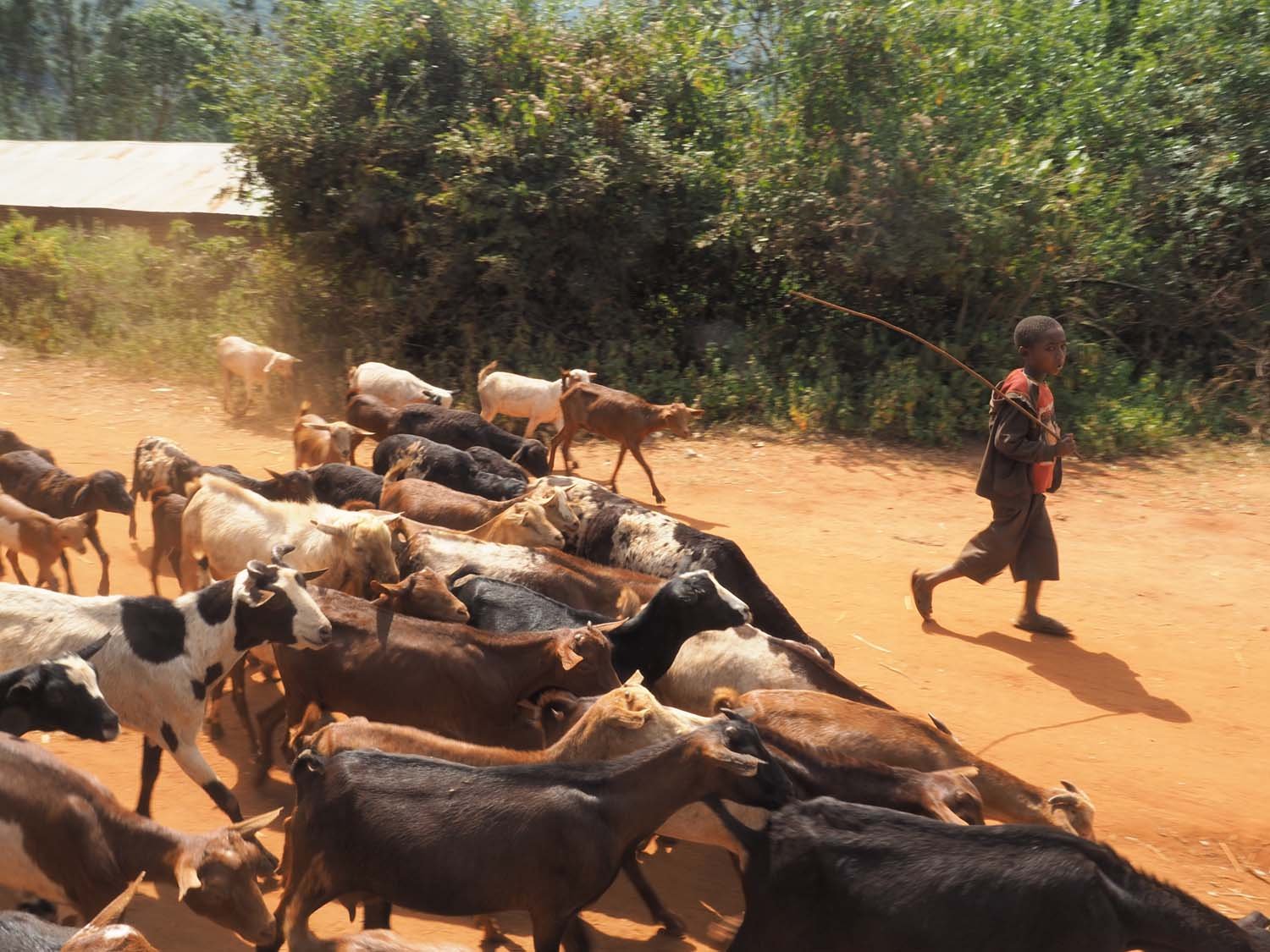
The next day, as he walked through the beautiful African landscape and saw young children herding goats instead of attending school, David thought about the contrast between the lives of the people he was meeting and his own. Struck by the disparity of wealth between Portland, Oregon and rural Tanzania, he pondered questions of economic justice and thought about solutions to problems that seemed insurmountable. Realizing that renovating the Gijega School classrooms would cost less than a new car in the United States, he resolved to do what he could to help improve the school.
Back in the United States, David connected with Don Stoll and Marianne Kent-Stoll, the founders of Karimu, a small non-profit working with the community of Dareda Kati, thirty miles north of Dumbeta Ward. Using a collaborative, grassroots model of development that engages the local community at every level of every project, Karimu has had an extraordinary and transformative impact on the communities they have partnered with. Don and Marianne advised David to first ask the community what their priorities were before offering solutions.
Don and Marianne advised David to first ask the community what their priorities were before offering solutions. When asked what they most needed, the residents surprised David by requesting help bringing clean water to the school and neighboring village. This was a higher priority than renovating classrooms. When children are not in the classroom because they are transporting water to the school, or they are home with a waterborne illness, renovated classrooms serve little purpose. Communities know more about what they need than outsiders do. Although this seems obvious in retrospect, it was a powerful lesson.
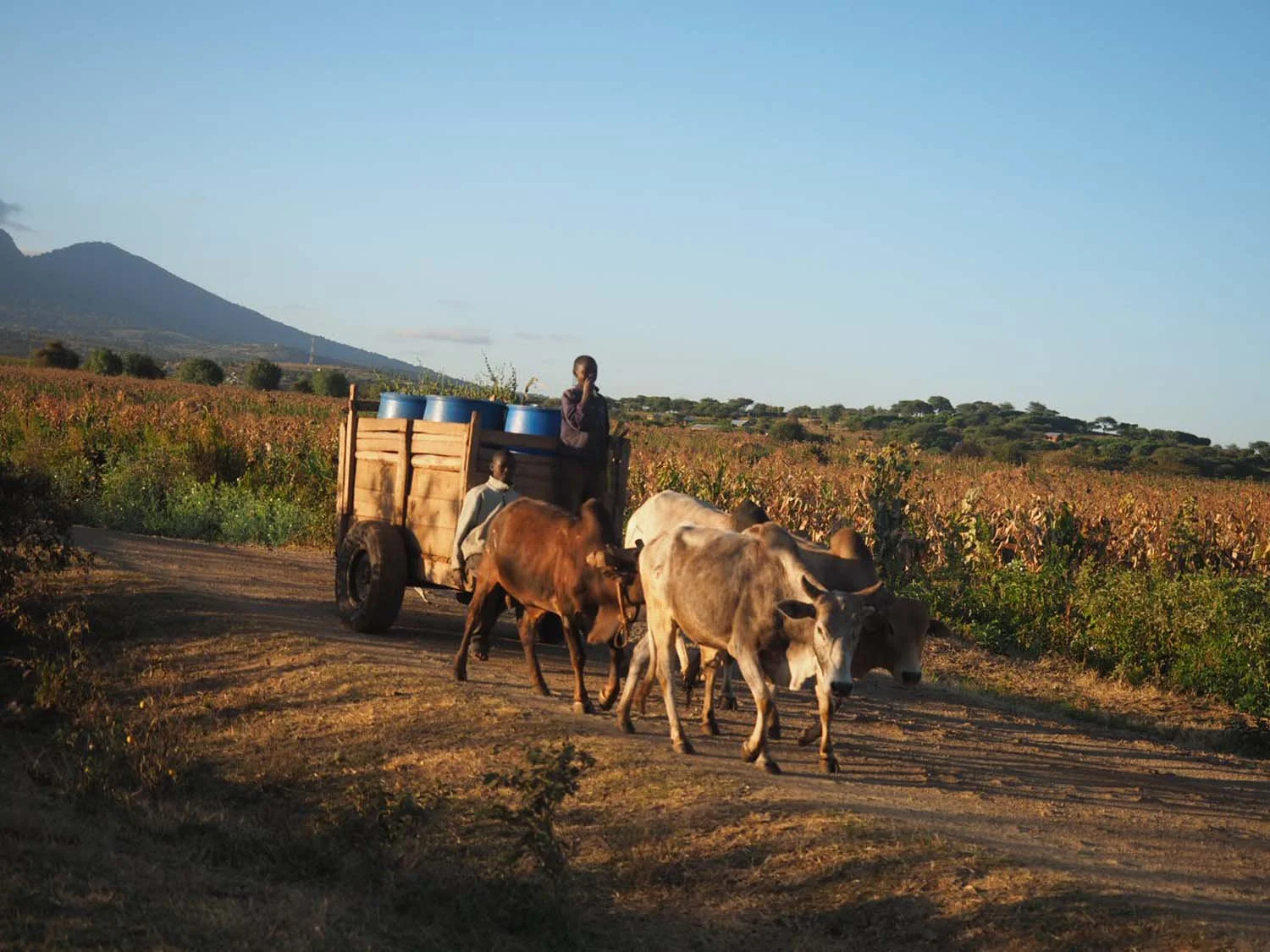
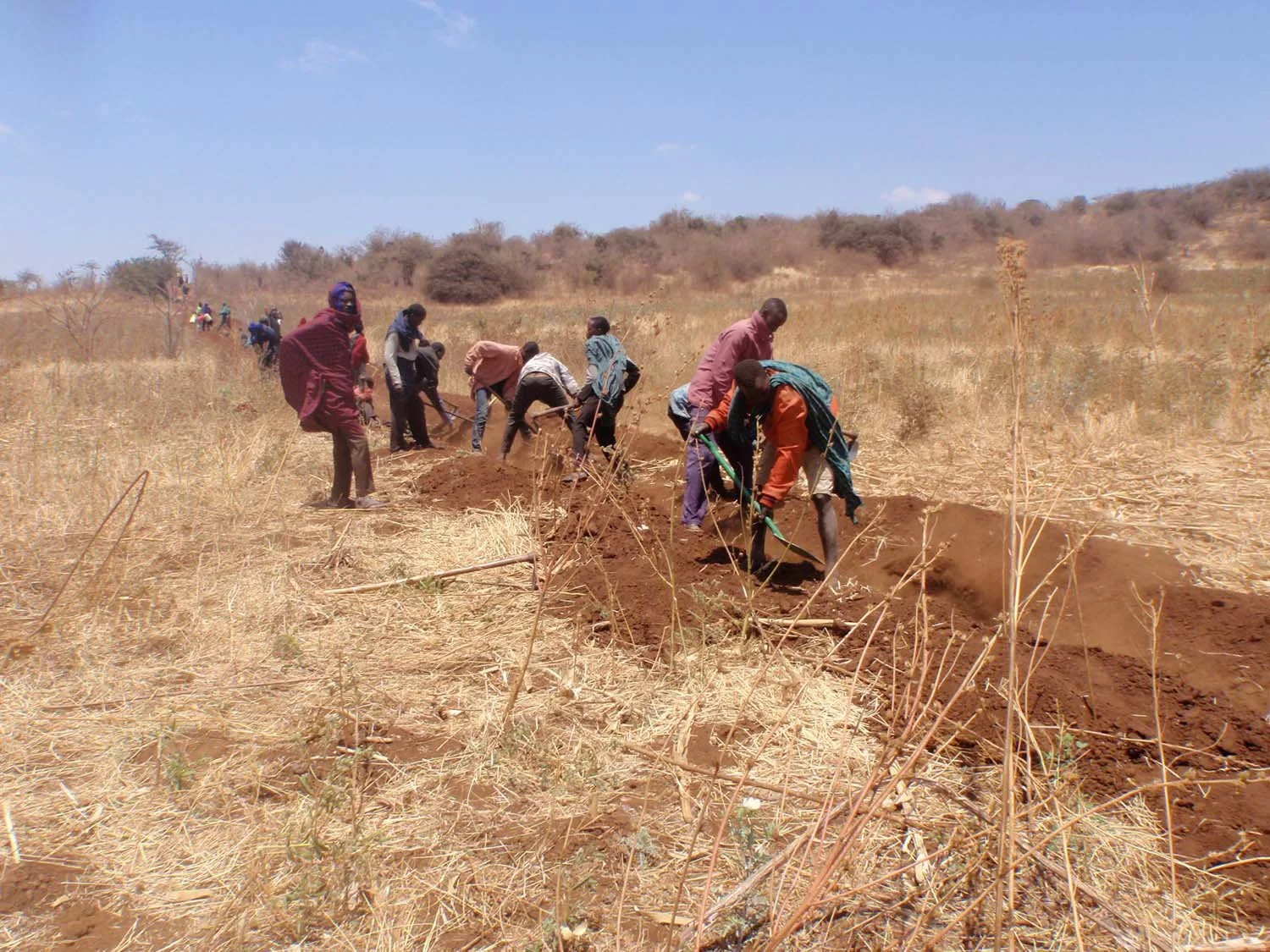
David learned that the community already had a plan to bring water to Gijega School, they just lacked the financial resources to implement it. A pipeline could be constructed to connect the school to a treated public water supply two and half miles away. What was needed was the piping, valves, a trench to bury the pipe and an engineer to oversee the project. David agreed to finance the project if the community supplied the labor. The community eagerly agreed and a collaborative partnership was born.
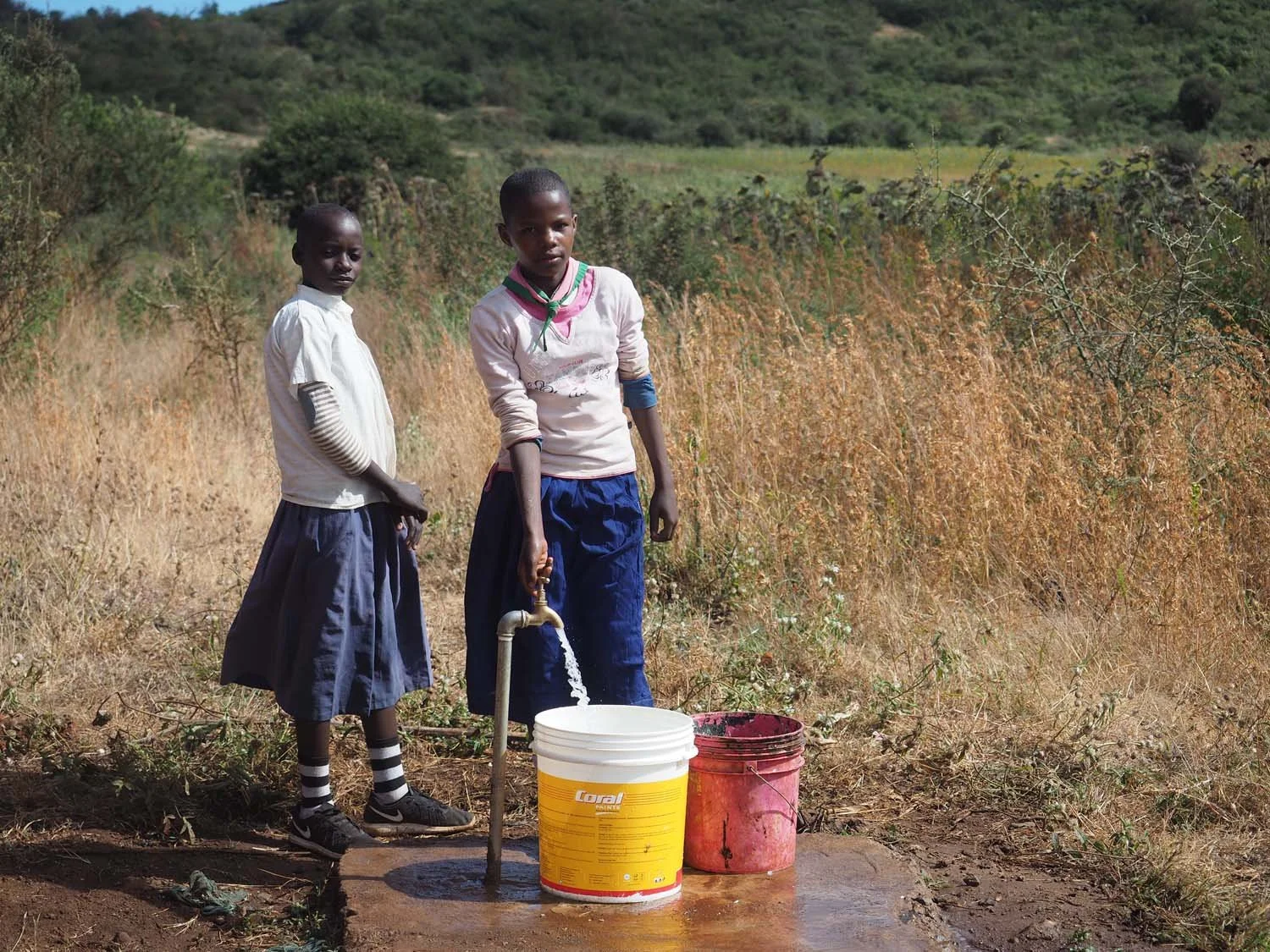
Back in Oregon, funds were raised to purchase materials and hire the water engineer. Community members dug the trench, using hand tools. In months, Gijega Primary School and the neighboring community had clean water for the first time. Encouraged by this success, David founded the Rafiki Village Project—rafiki meaning “friend” in Swahili. Learn more about RVP’s water projects.
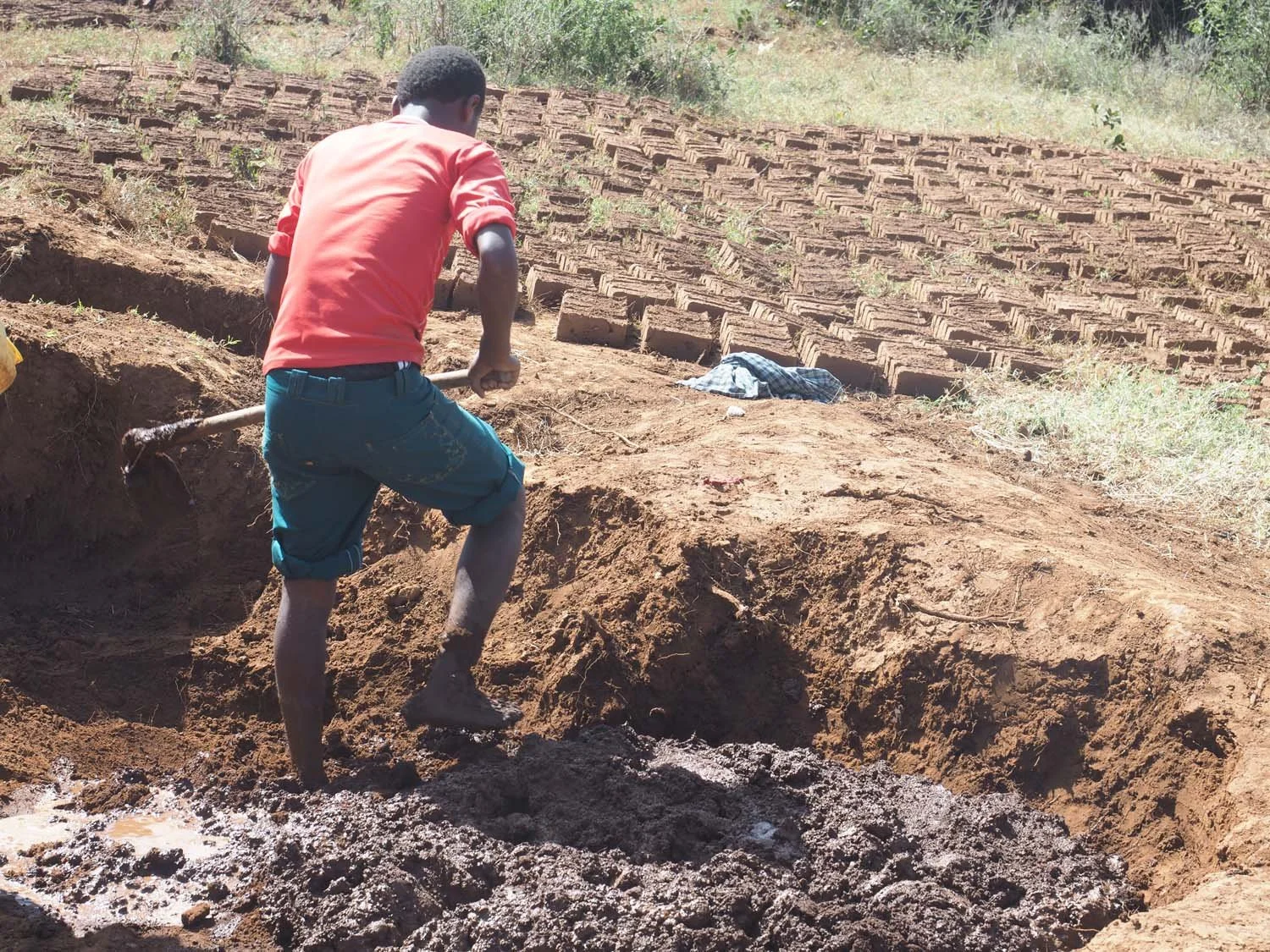
Other projects soon followed. The community identified hunger as another major challenge facing the school. Many students arrived at school without having eaten since the night before. With water now available, the community proposed building a school kitchen. Parents contributed labor, locally made bricks, and a portion of their annual maize and bean harvest. RVP covered the remaining costs. Completed in 2018, the kitchen now provides students with a hot, nutritious lunch each school day, improving learning and attendance.
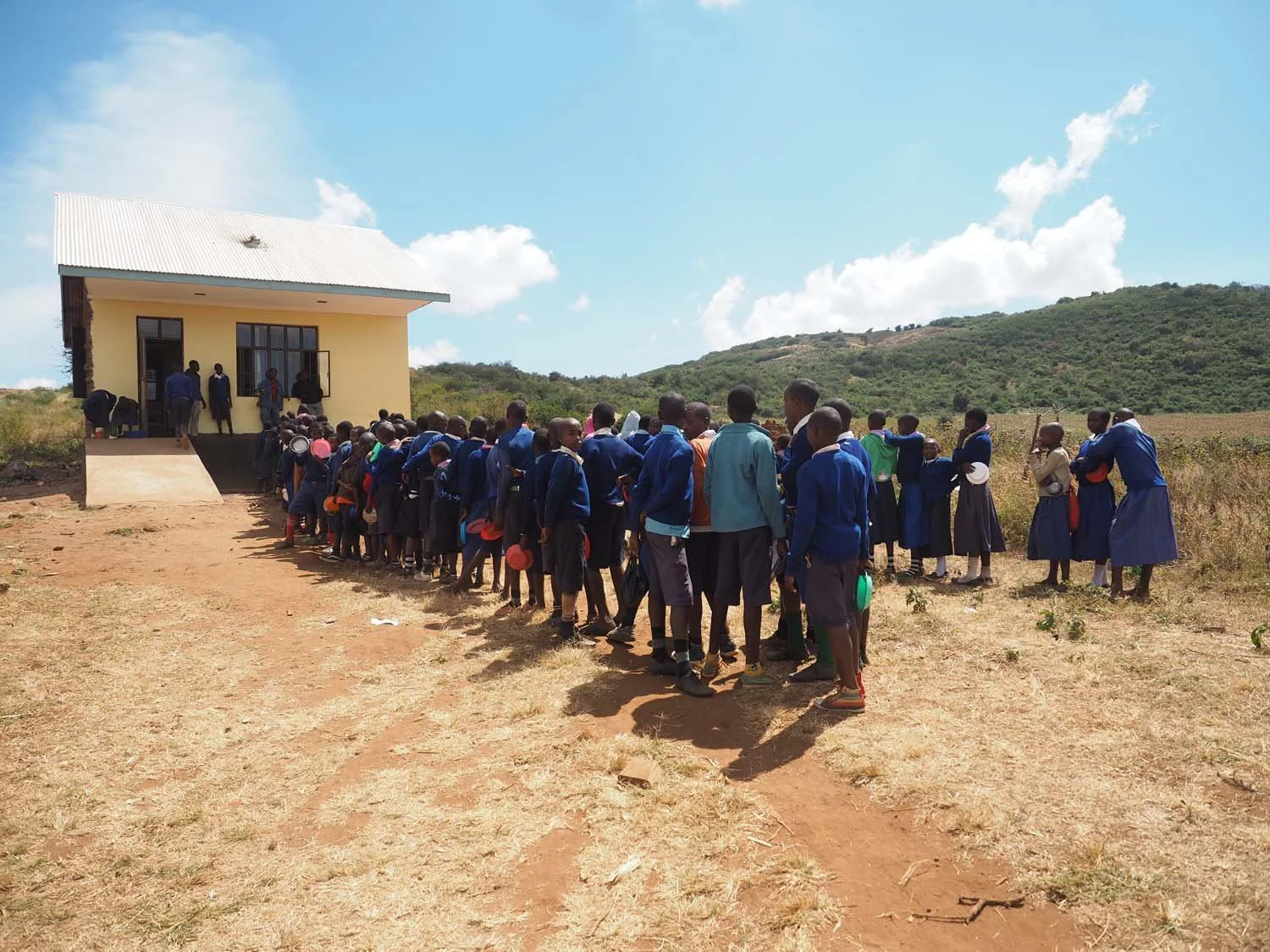
In 2018, RVP expanded its scope to include all of Dumbeta Ward’s nine sub-villages. The Ward has five primary schools, a secondary school and a community health clinic. The work of the Rafik Village Project now focuses on supporting and improving all these institutions. In addition to many infrastructure projects, such as new classrooms, school kitchens, school toilets and a birth center, the schools and the dispensary receive a quarterly stipend to spend as they choose.
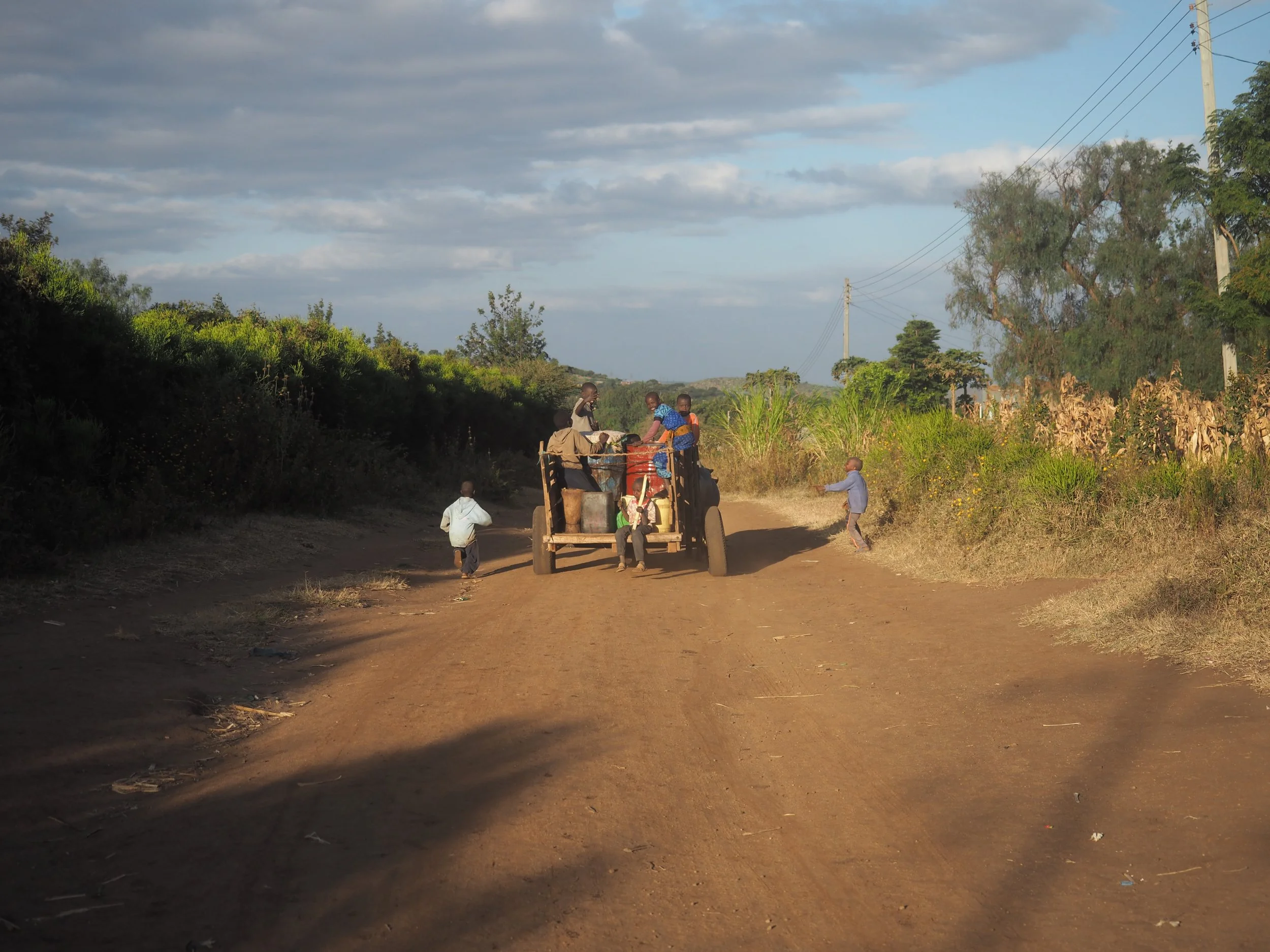
The Rafiki Village Project remains committed to partnering with Dumbeta Ward for as long as the community wants and needs support.
In return, the community has committed to maintaining the projects they have helped build. This model of community, collaboration and commitment continues to guide everything that the Rafiki Village Project does. Learn more about RVP’s Approach.