After-School Sports Program
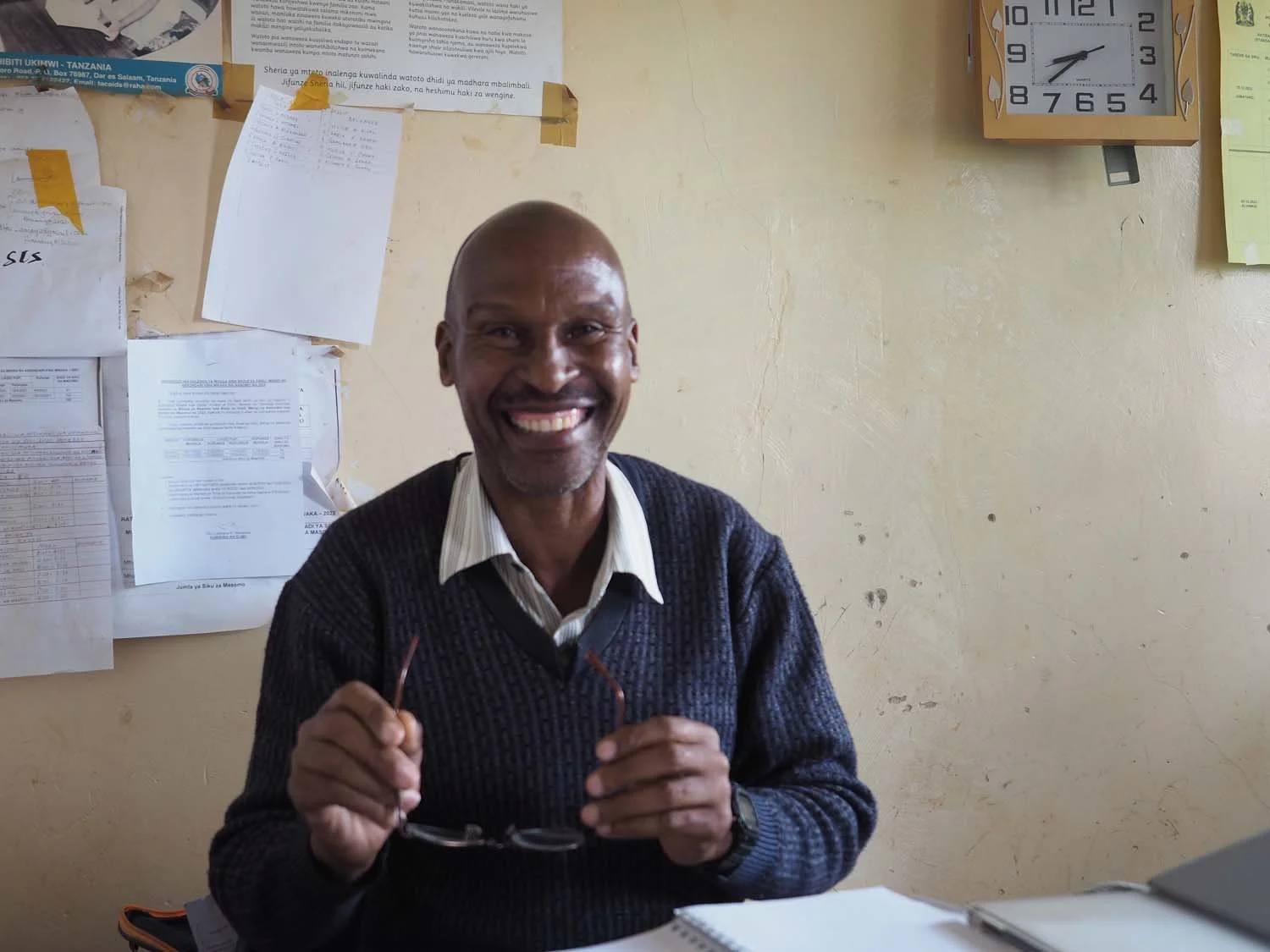
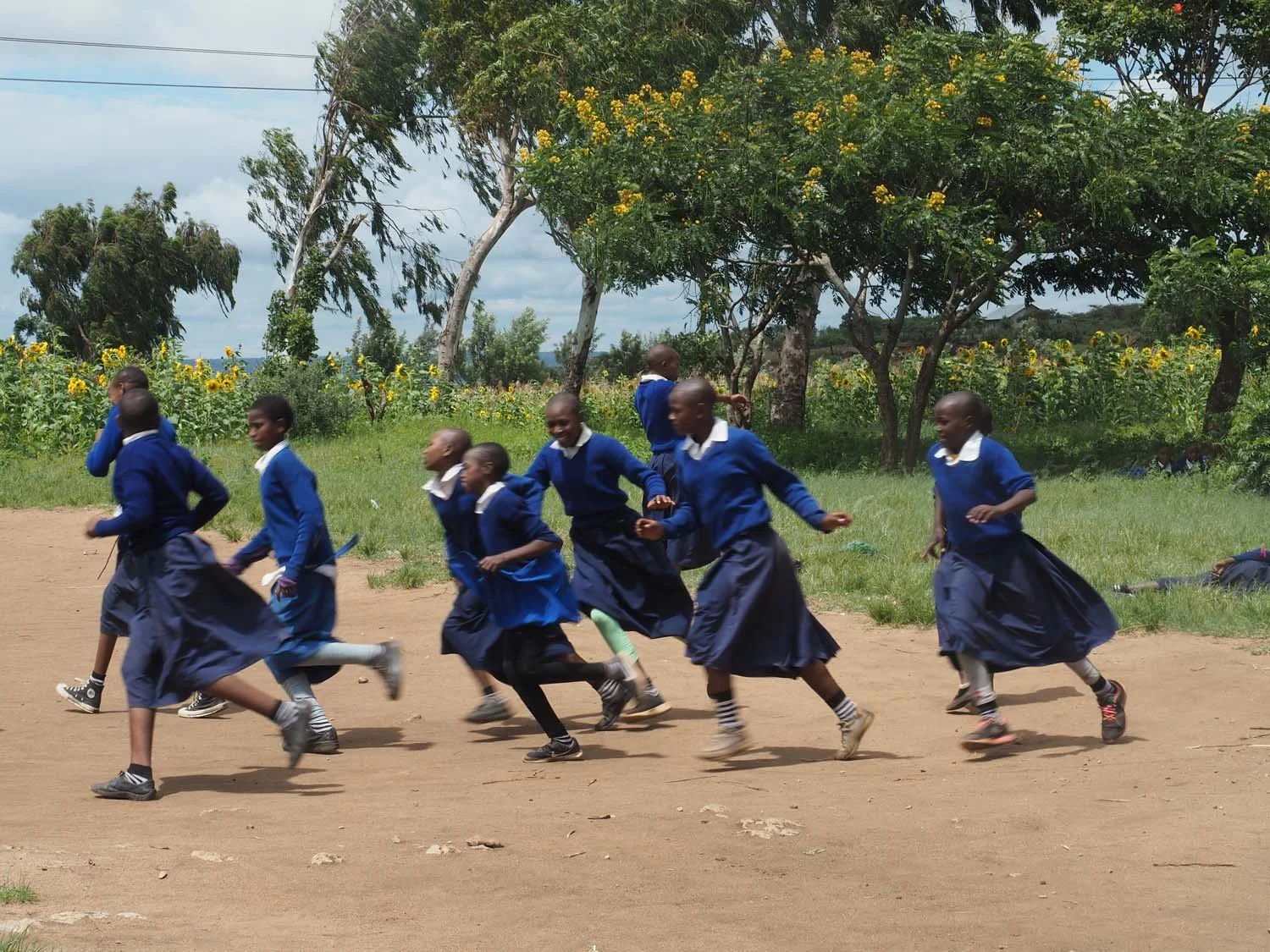
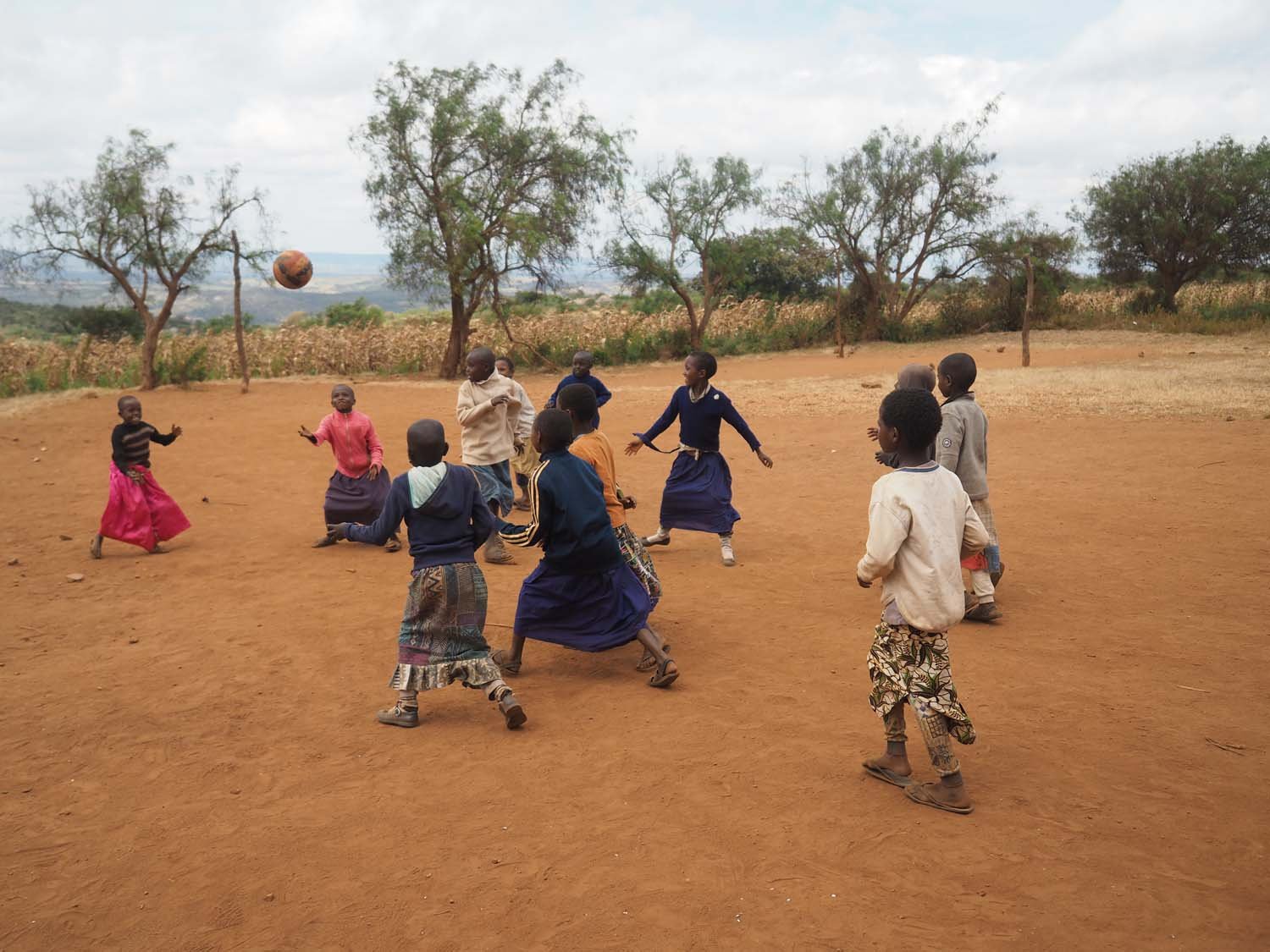
In 2025, the Rafiki Village Project launched an after-school sports program at two of Dumbeta Ward’s primary schools. A dedicated sports director was hired to oversee the program, and adult volunteers were recruited to coach and supervise students. Funding has been allocated for purchasing equipment and improving facilities, and teams and competitions are now being organized. The program will soon expand to all six schools in the Ward, ensuring that every child in Dumbeta Ward has the opportunity to benefit from the power of sport.
School athletics are an essential part of a well-rounded education, and their benefits extend far beyond physical fitness. They contribute to improved academic performance, higher school attendance, and stronger social and emotional development. Through sports, students learn cooperation, discipline, resilience, and confidence—skills that support success both in and out of the classroom.
For children facing food insecurity, limited educational resources, and extreme poverty, after-school sports programs can be especially transformative. They provide a structured, supportive environment where students can build self-esteem and self-confidence. These benefits are particularly important for girls. Deeply rooted gender expectations and cultural norms often push girls toward early marriage and pregnancy, limiting their educational opportunities. Participation in athletics offers a pathway toward gender equity, providing an early chance to develop physical strength and self-confidence – factors that have been linked to reduced dropout rates, and improved overall academic achievement.
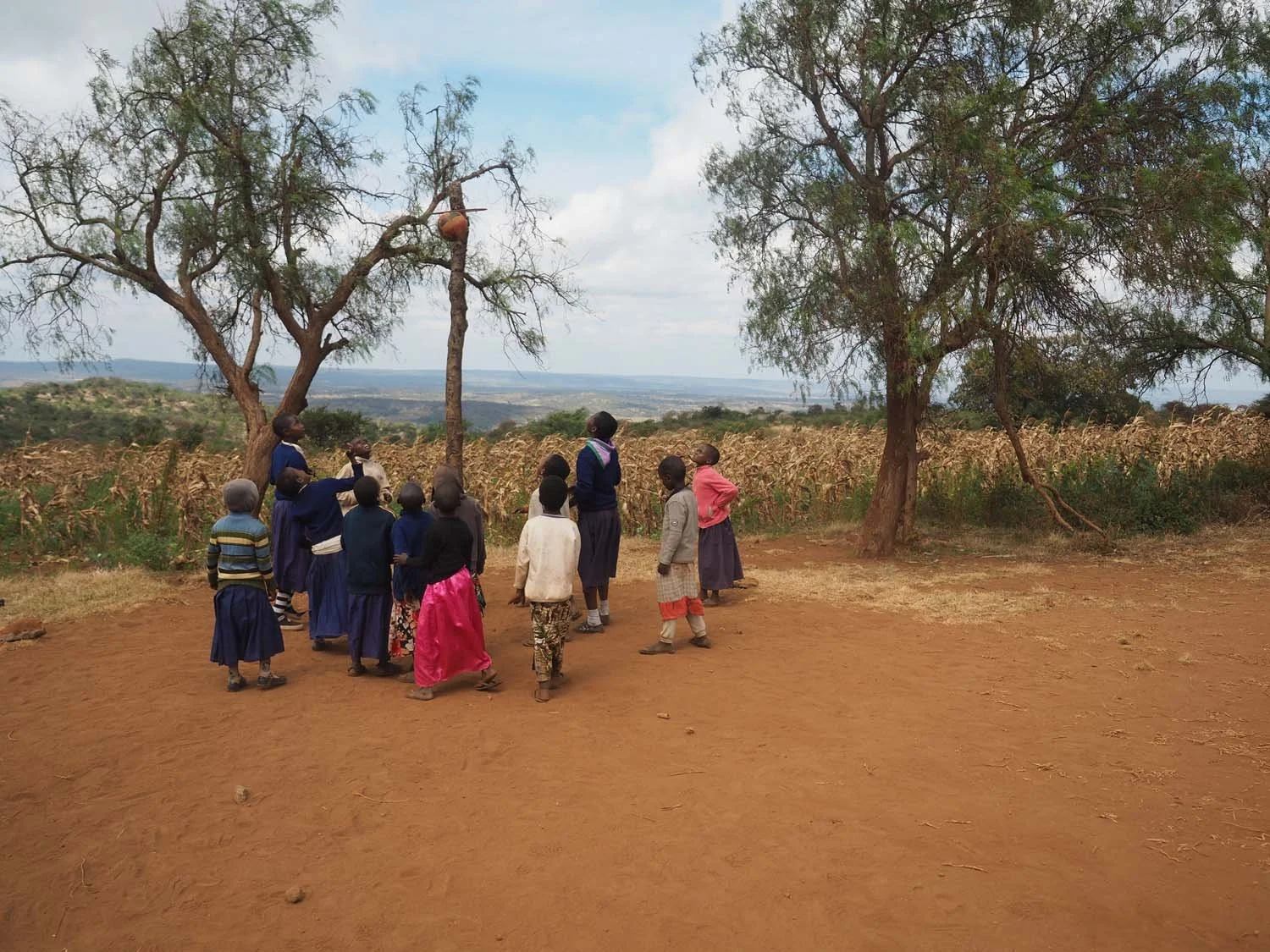
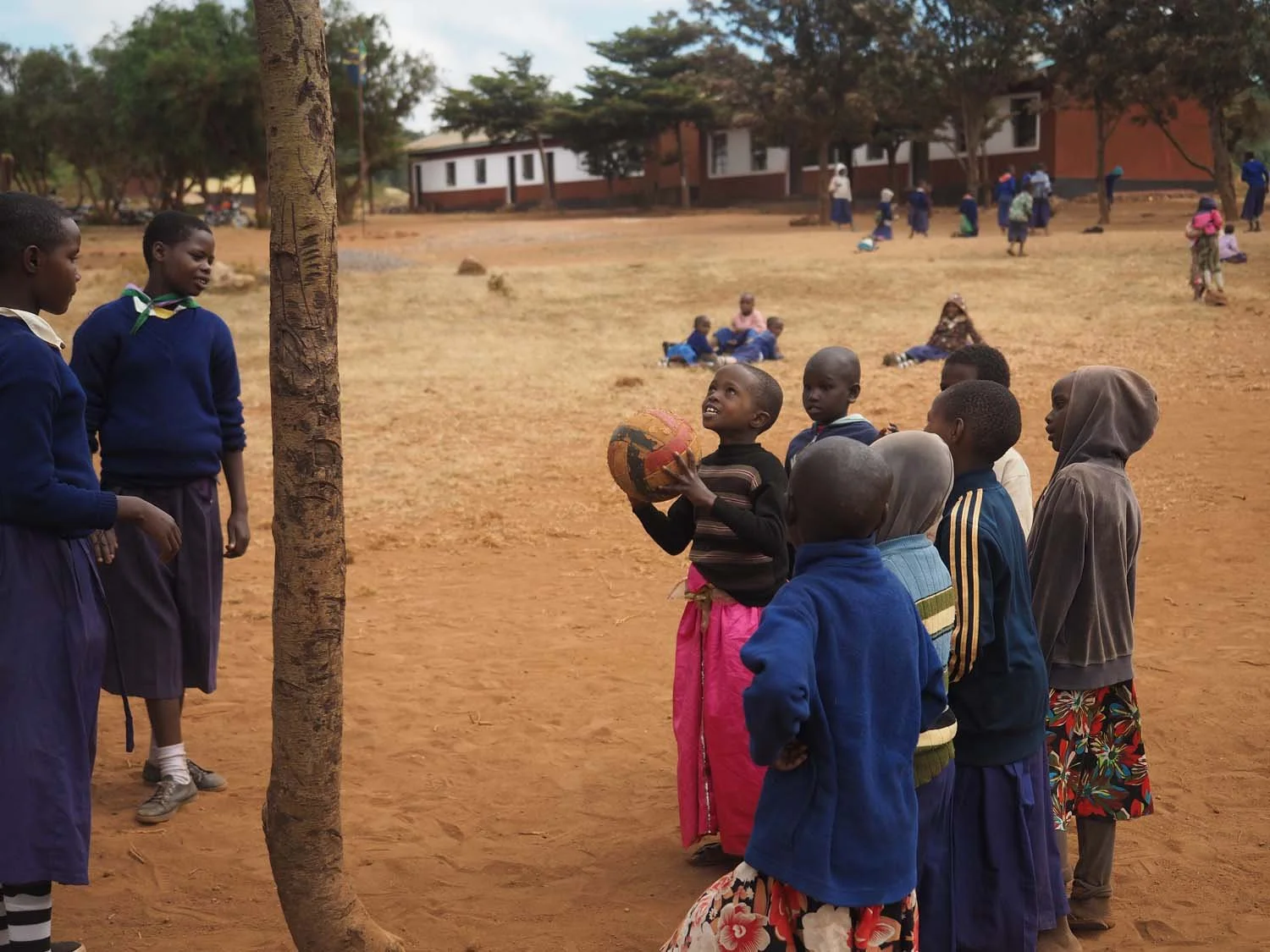
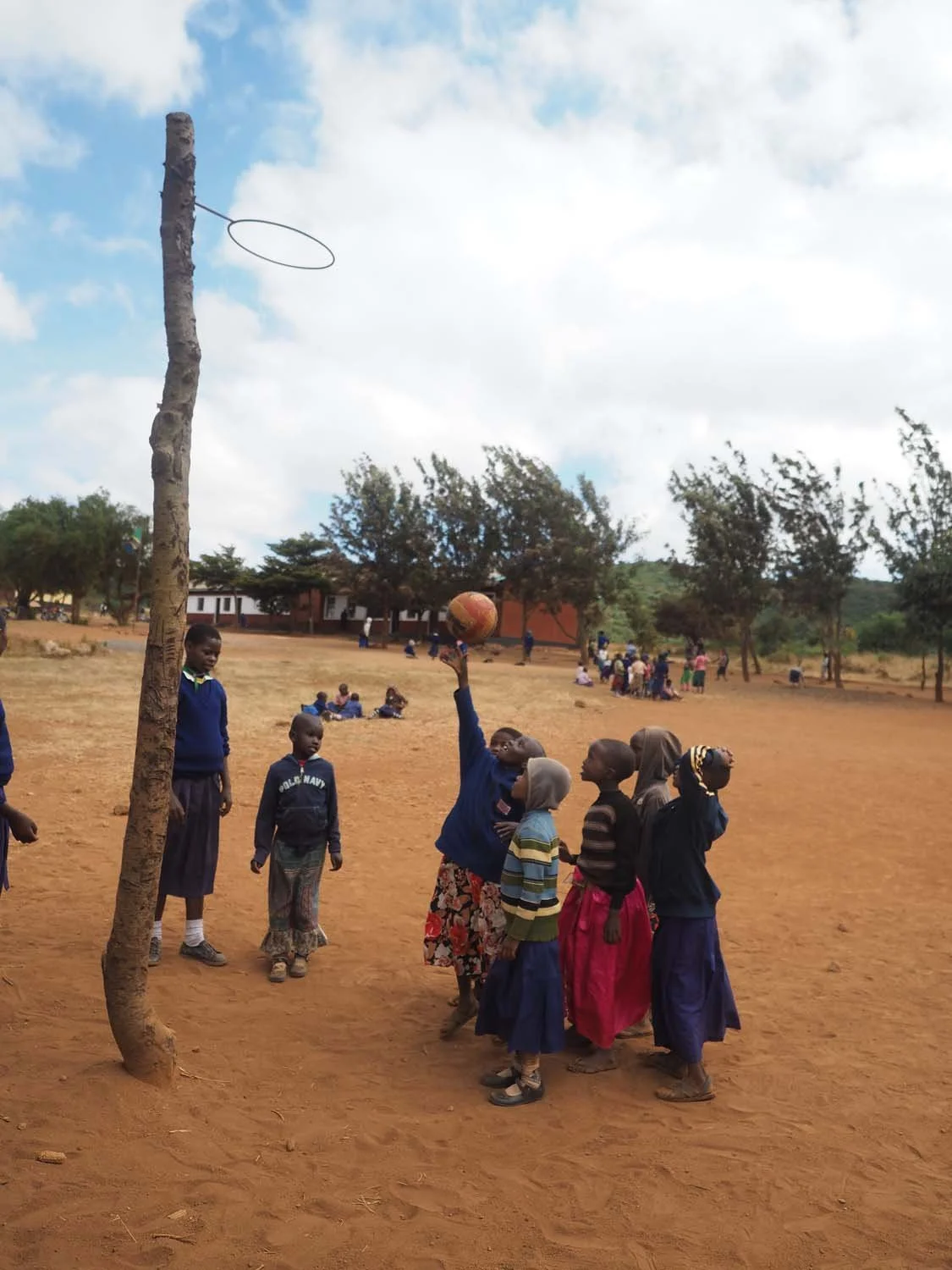
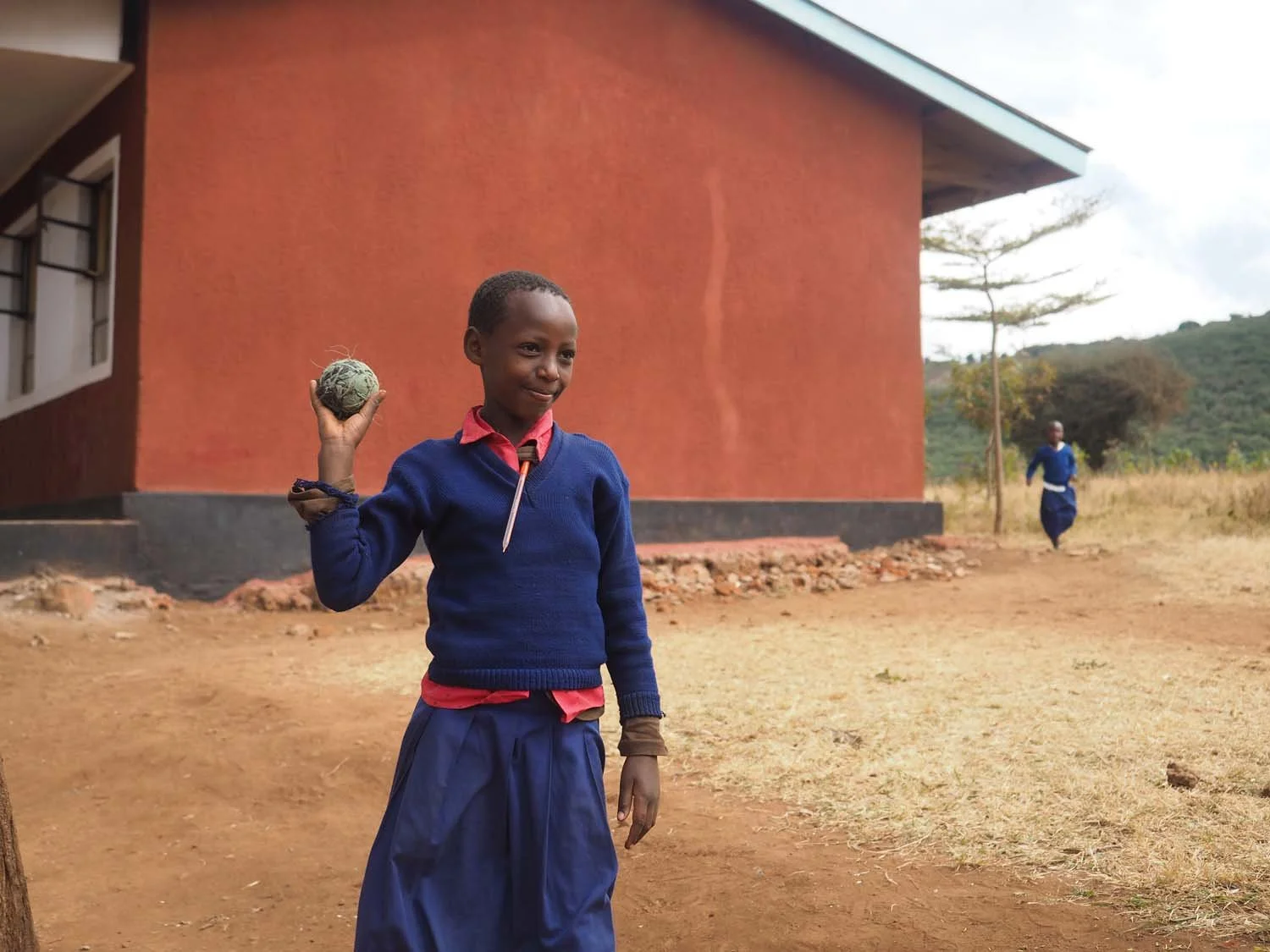
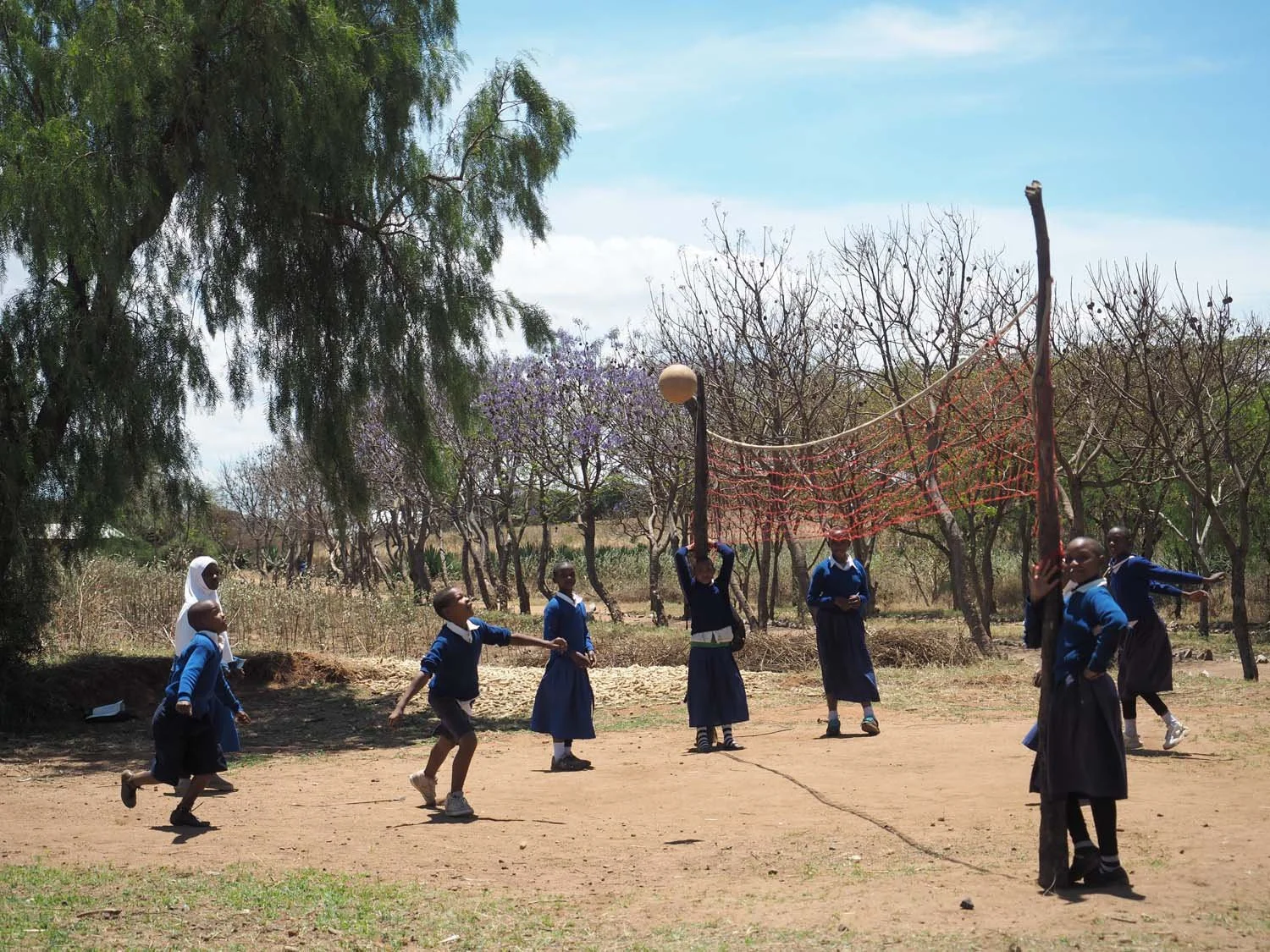
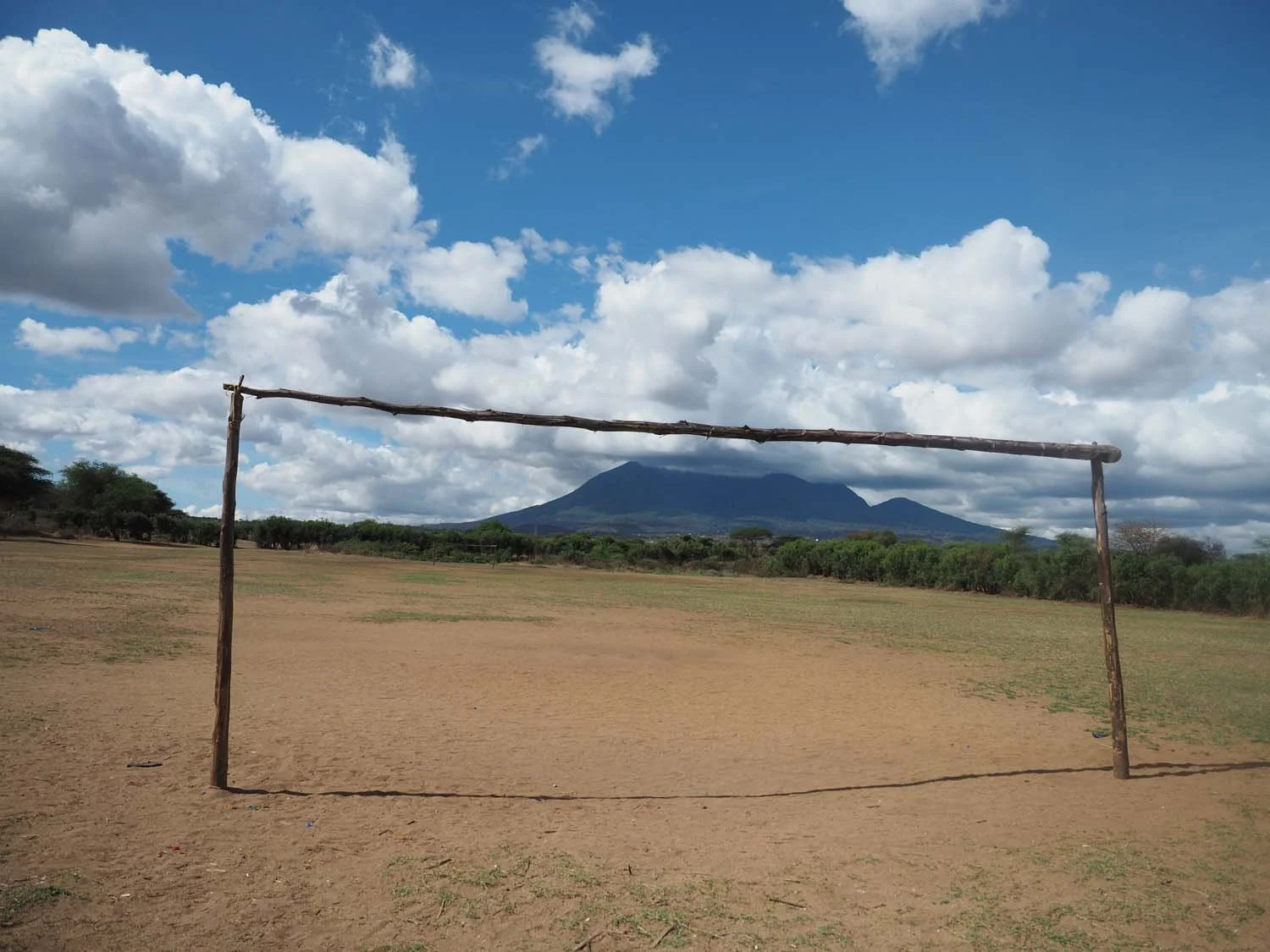
Historically, primary and secondary students in Dumbeta Ward have had little or no access to organized school athletics, either during or after the school day. Multiple barriers have stood in the way. Severe shortages of both material and human resources have made sports programs difficult to establish and sustain. Equipment is virtually nonexistent, so students improvise with balls made from salvaged cloth and rubber bands. Nets, goalposts, protective gear, and uniforms are absent, and athletic fields—where they exist at all—are dusty, uneven, and strewn with rocks and roots. In addition, packed academic schedules and a strong emphasis on test performance leave already-stretched teachers with little time or incentive to supervise sports activities.
In partnership with the community, the Rafiki Village Project seeks to ensure that every child in Dumbeta Ward has access to the benefits of organized athletics. By addressing the barriers that have long kept sports out of reach—through equipment, facility improvements, dedicated volunteers and mentors, and community engagement—we hope to support stronger, healthier, and more confident young people. With a particular commitment to empowering girls and helping children facing poverty and hardship, the Rafiki Village Project looks forward to a future in which every child in Dumbeta Ward has the opportunity to experience the power of sport.